
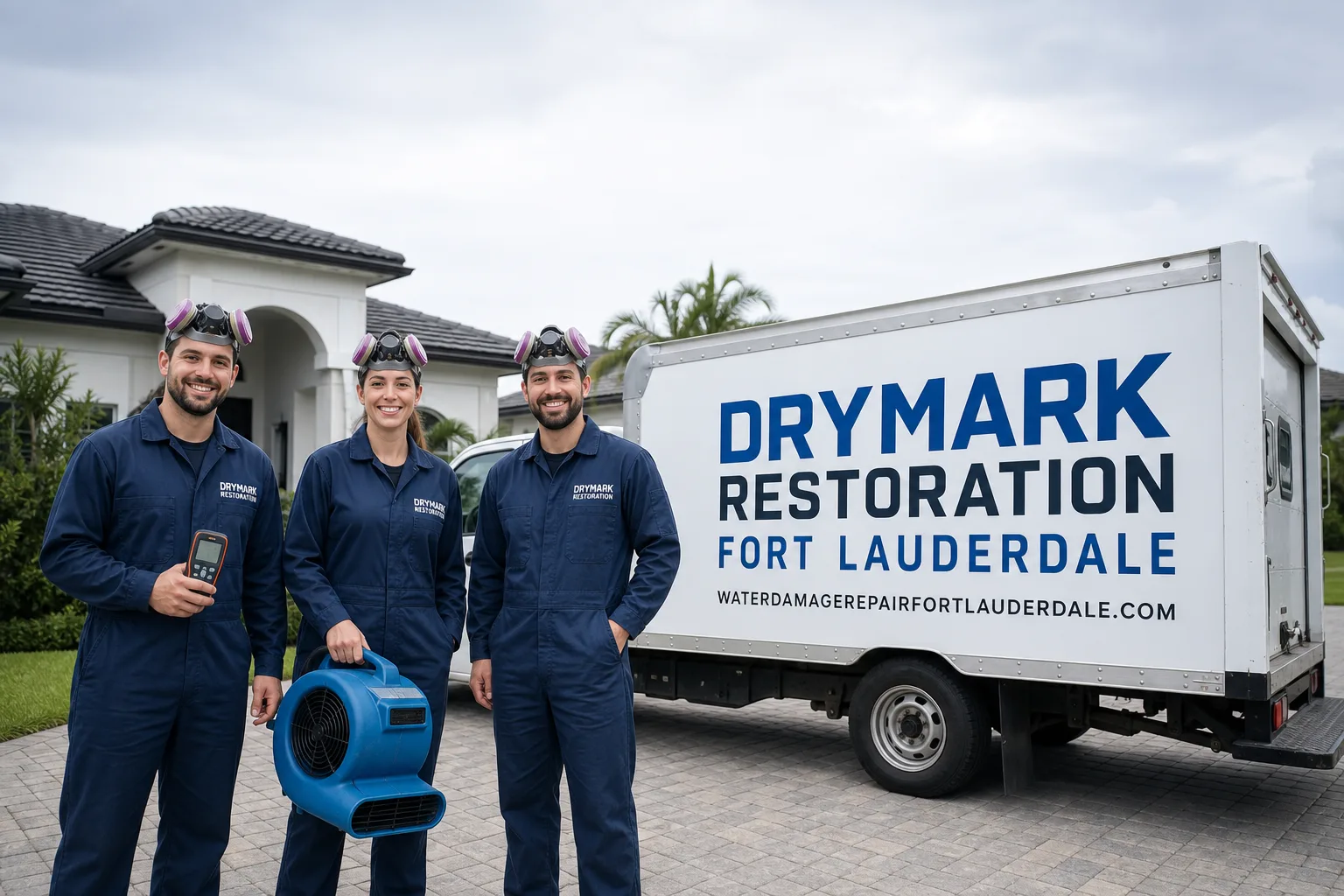
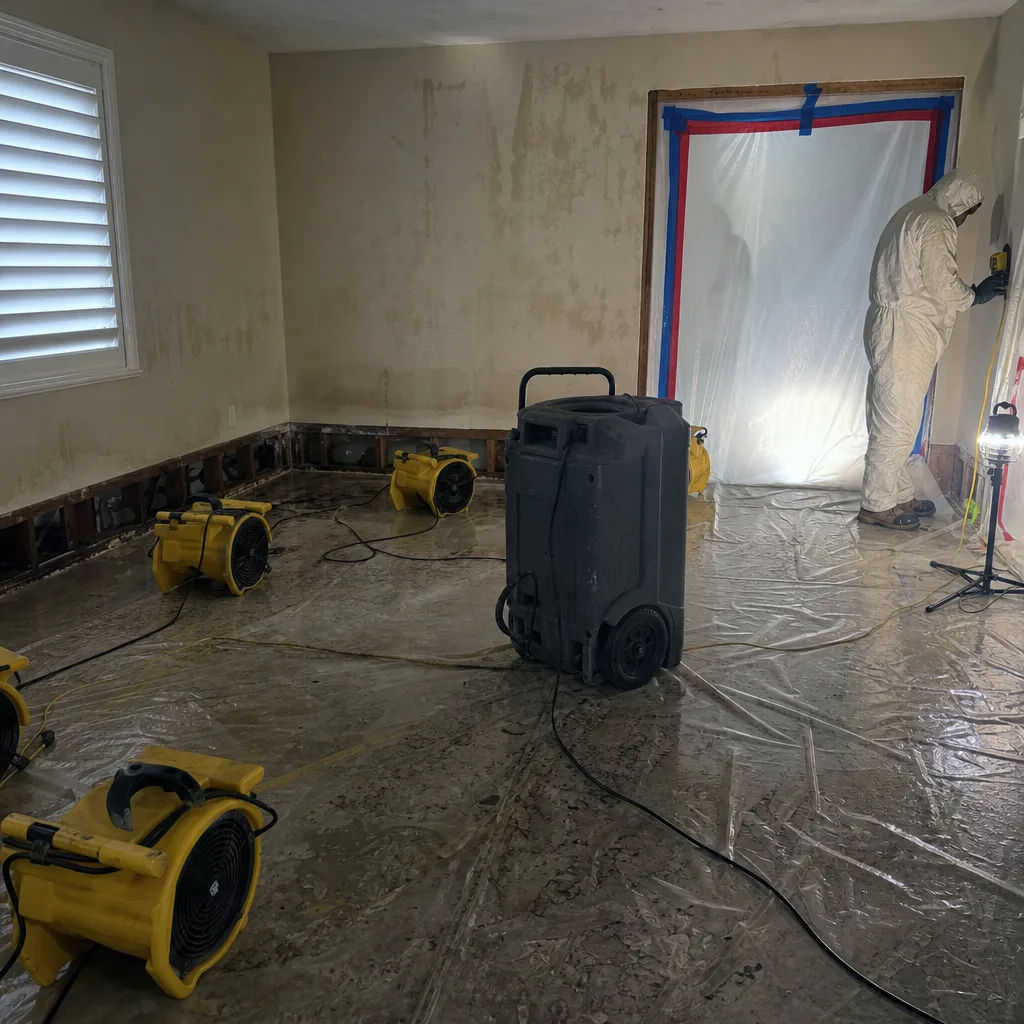
Free visual inspection and a written scope of work before any mitigation begins - photos, moisture readings, and drying logs go in your claim file
The scope we write is the scope we bill. Anything new gets shown to you, in writing, before we touch it.
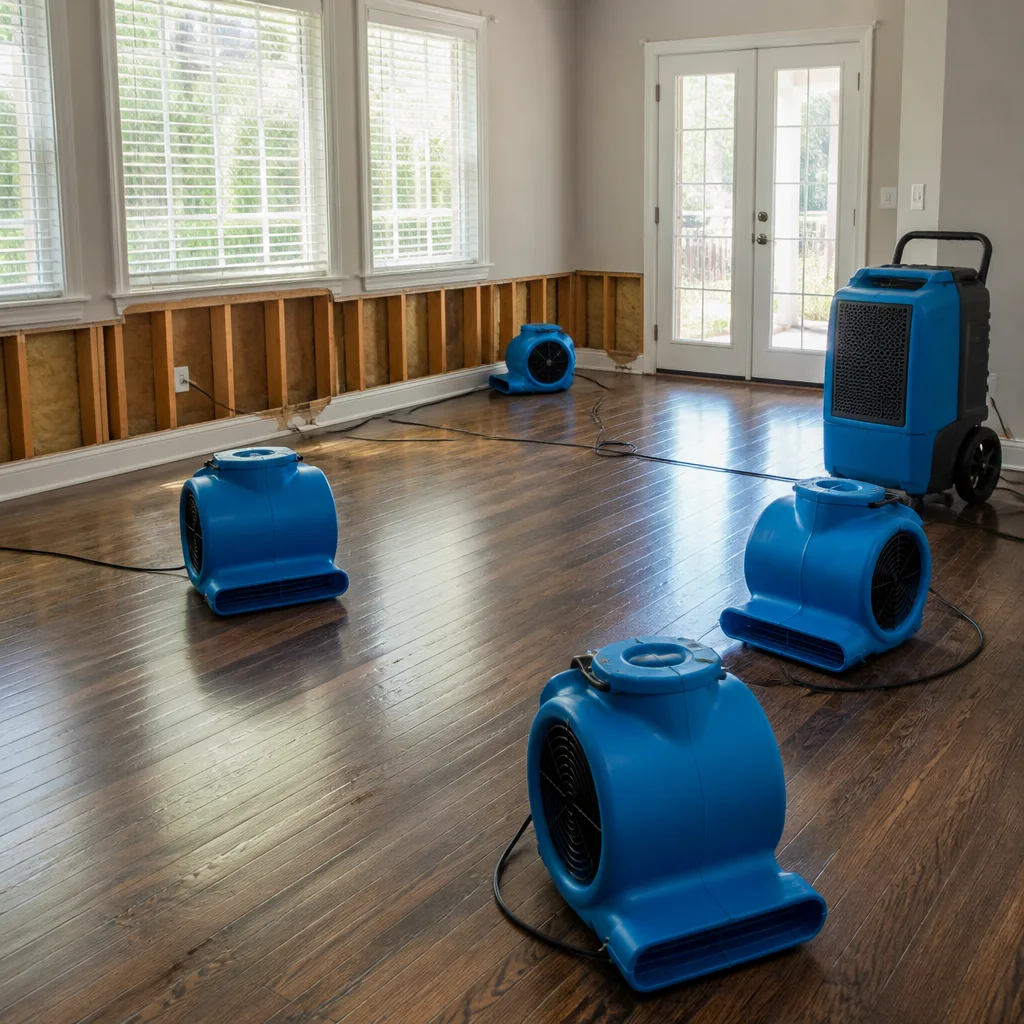
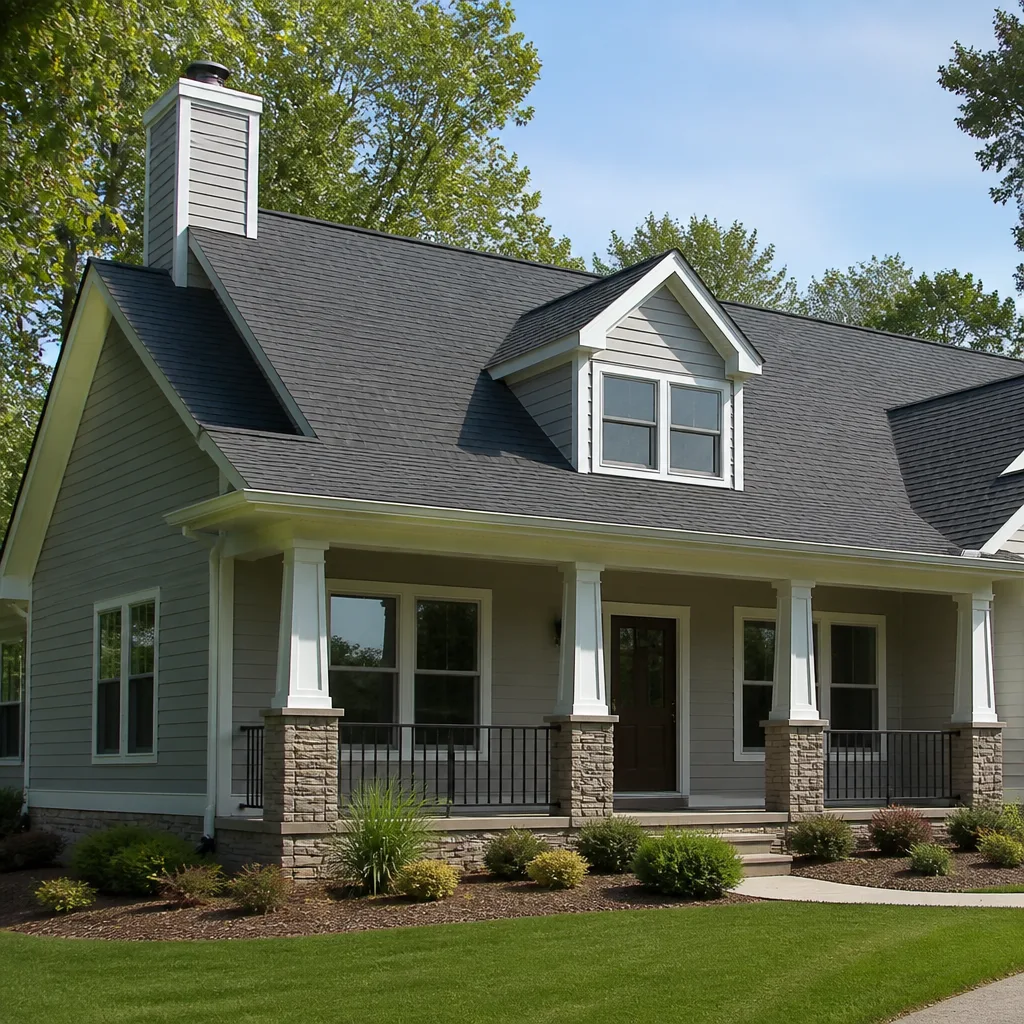
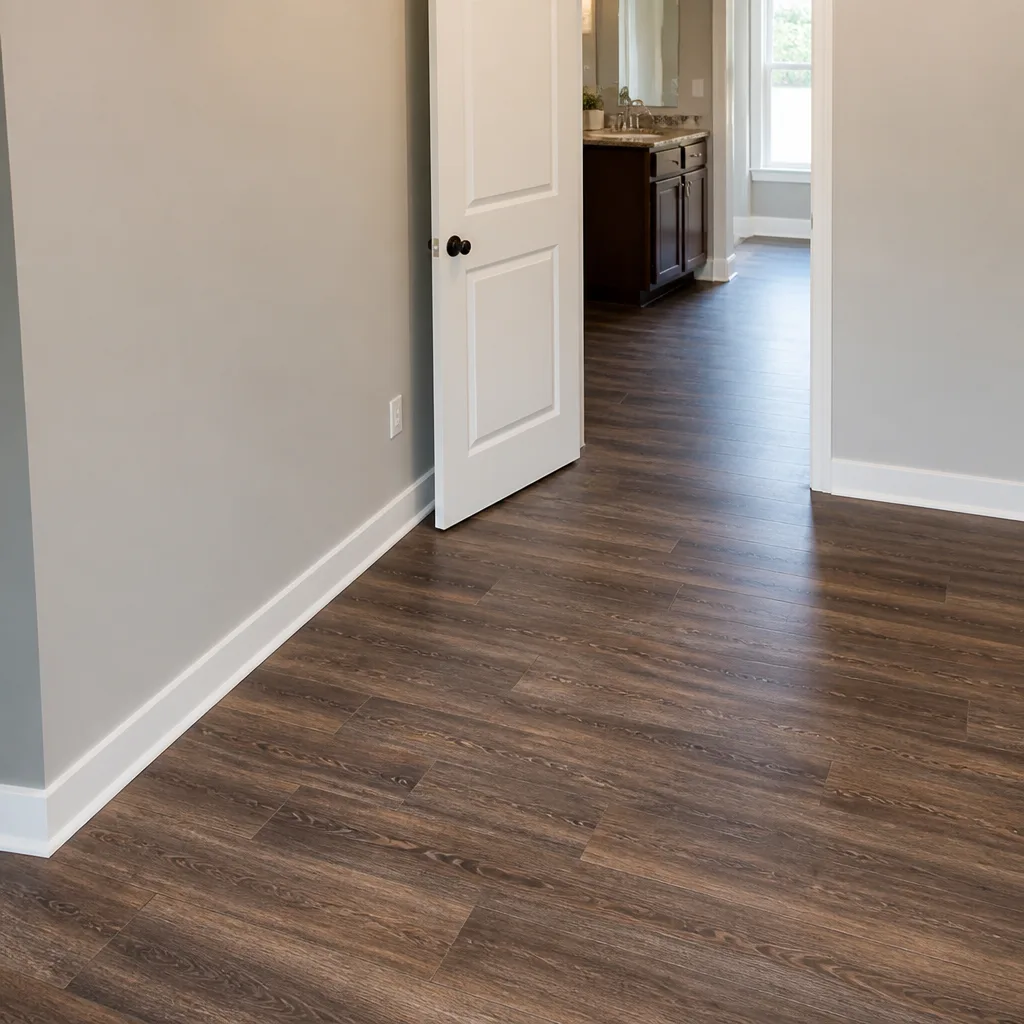
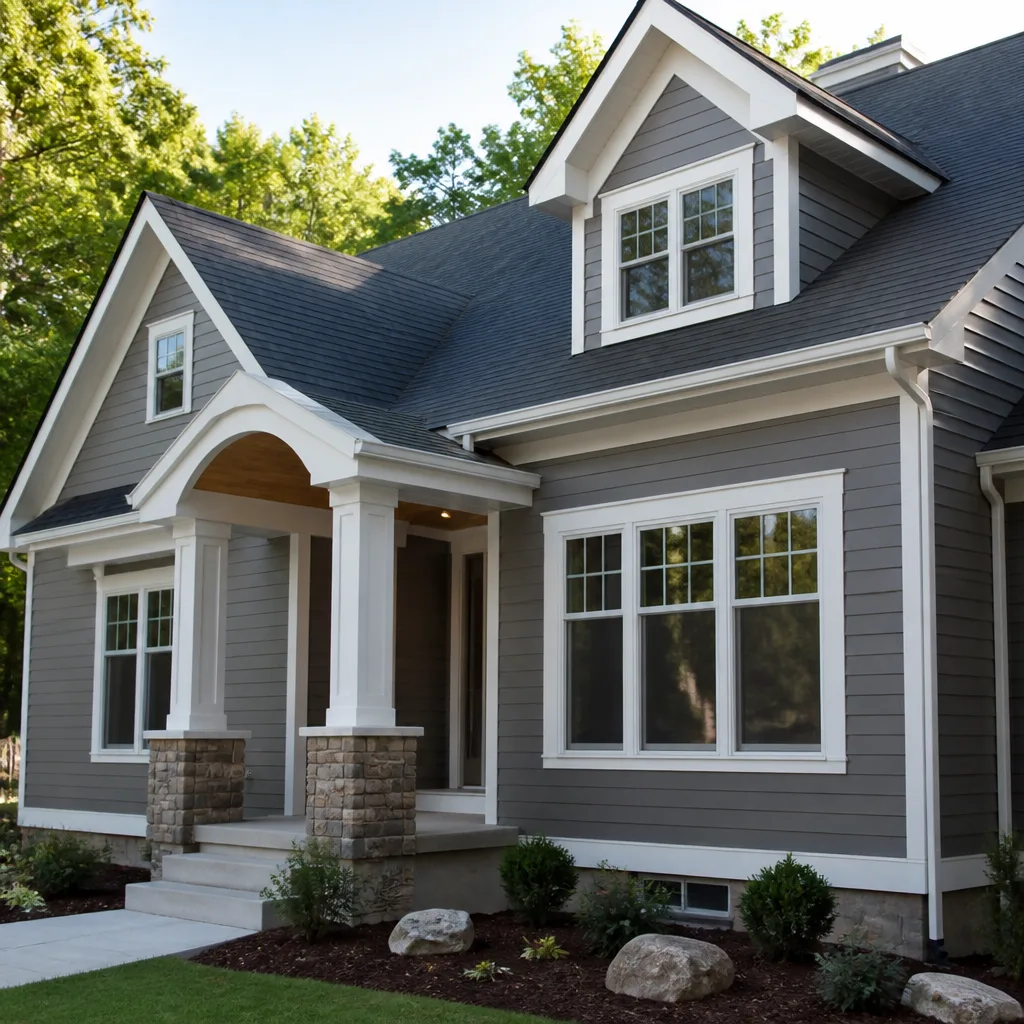
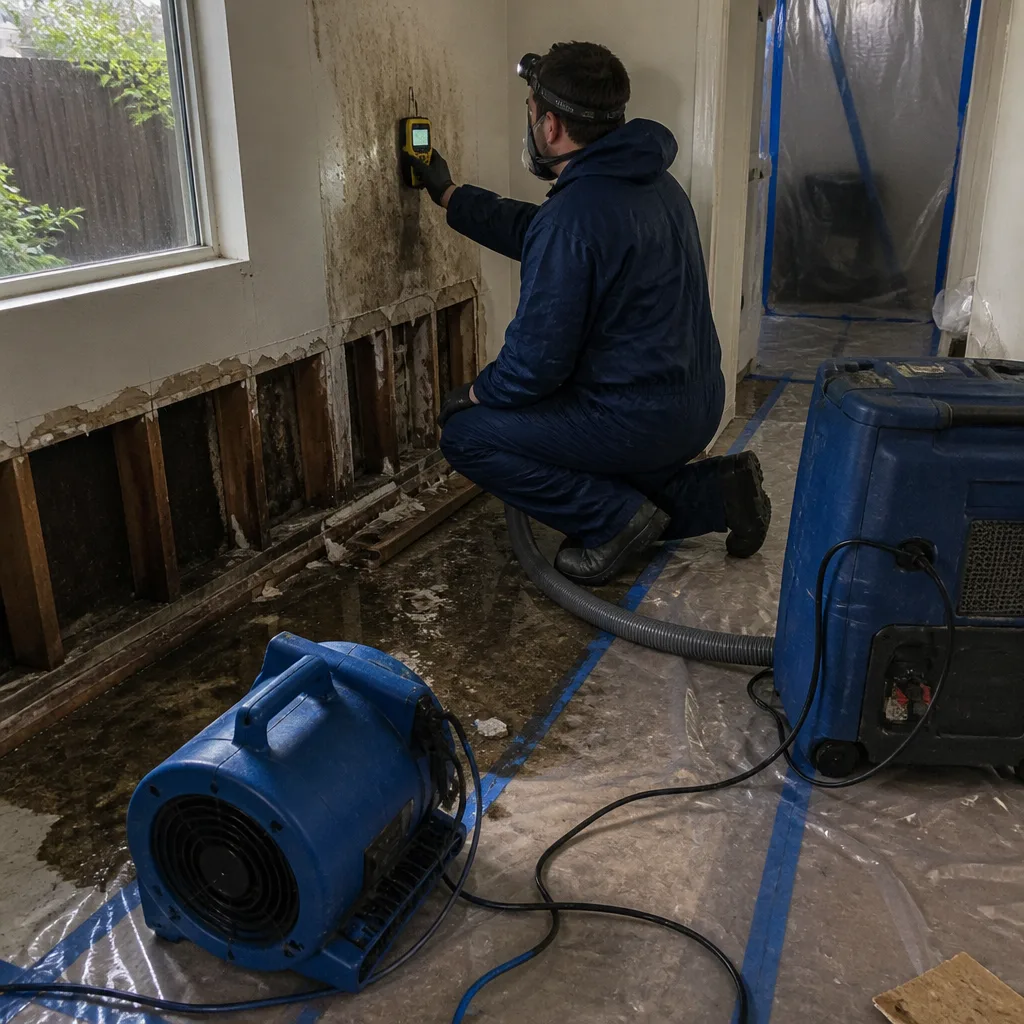 Before
 After
After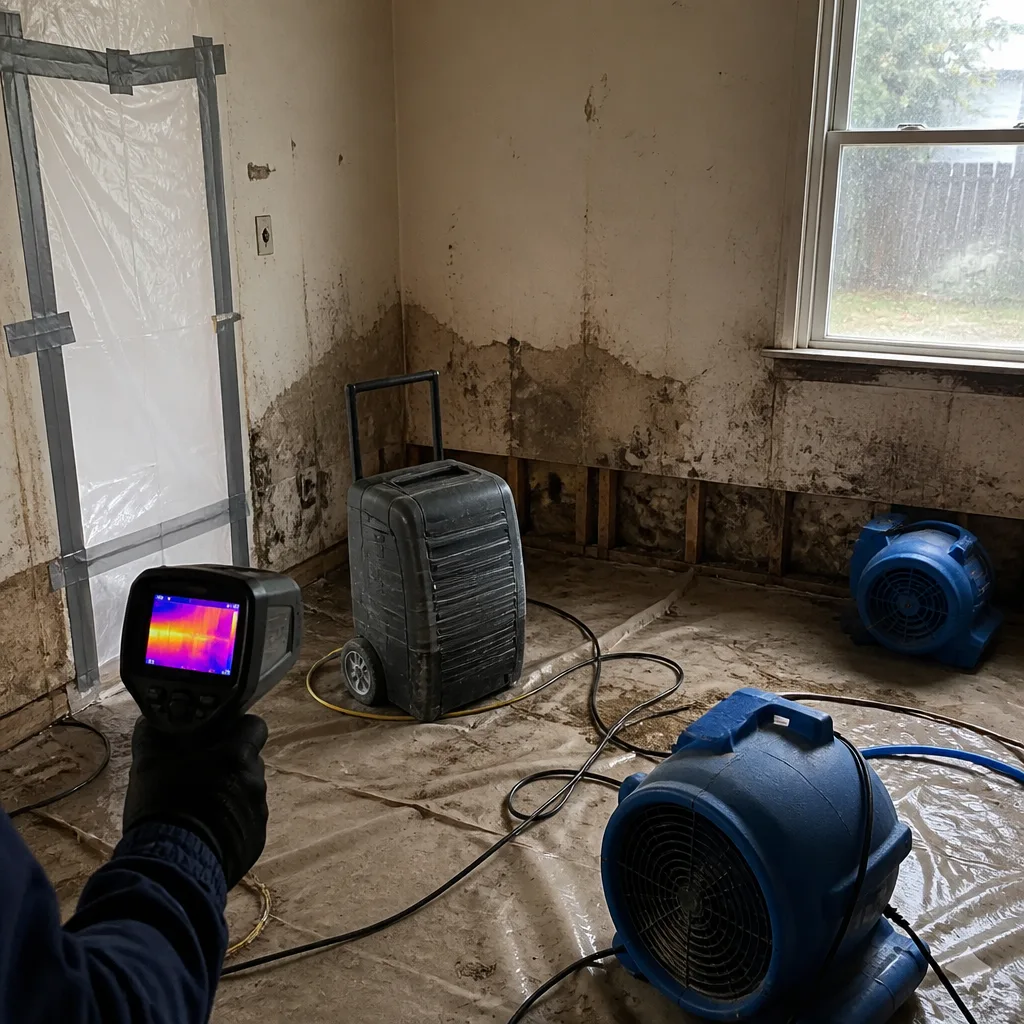 Before
 After
After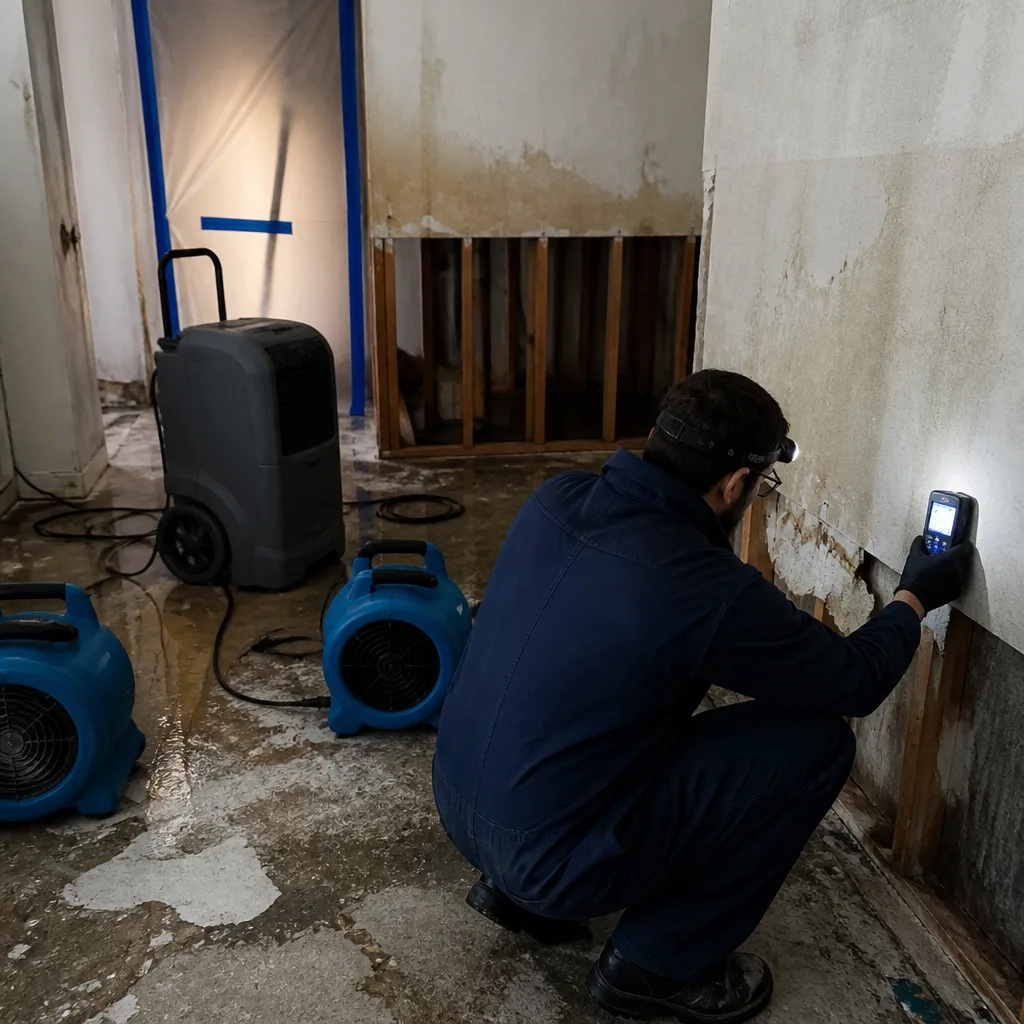 Before
 After
AfterFast, Reliable Fire & Smoke Damage Restoration Across Opa-locka
Fire and smoke damage restoration in Opa-locka typically costs $4,200-$18,500 depending on the size of the affected area, the extent of soot contamination, and whether water from fire suppression has introduced secondary damage. Most emergency board-up and tarping calls in Opa-locka are answered within 60-90 minutes, with full mitigation crews dispatched the same day. Call (754) 254-1257 now for a written estimate before any work begins.
We serve Opa-locka from our Miami office, with crews who know the city’s concrete block housing stock, its flat-roof vulnerabilities, and the specific documentation requirements that insurers expect for claims on homes in this market. After a fire on Alhambra Street, our crew arrived to find the homeowner had already used a garden hose to rinse soot off the back patio, and the afternoon convective storm had pushed contaminated water back through the slab-on-grade foundation. We reclassified the water as Category 3, set containment, ran moisture mapping across the concrete block walls, applied antimicrobial treatment, and used Dri-Eaz air movers and dehumidification to complete structural drying before rebuilding. That sequence - fire, water, sewage, mold - is not unusual in Opa-locka, and it is why our Fire & Smoke Damage Restoration team treats every post-fire call as a potential biohazard job until proven otherwise.
Why DryMark Restoration Fort Lauderdale Is Opa-locka’s Preferred Fire & Smoke Damage Restoration Company
Opa-locka’s housing stock presents a documentation problem that most restoration companies underestimate. The dominant residential construction here - concrete block homes built between the 1950s and 1970s, many with flat or low-slope roofs - traps moisture silently in block cavities and suffers from pervasive deferred maintenance tied to the city’s long-running economic distress. Our crews document pre-loss conditions on every Opa-locka job because pre-existing roof compromise, corroded plumbing, and deteriorated drywall routinely amplify losses and complicate insurance scopes.
We have restored homes near Magnolia North, along NW 27th Avenue corridor properties, and throughout the neighborhoods bordering the Miami Canal. Our response time to Opa-locka averages under 90 minutes for emergency calls, with live phone coverage 24 hours a day, 7 days a week - no voicemail trees, no next-business-day callbacks while water is still moving through your slab. Every technician is background-checked, uniformed, and licensed, with license numbers provided on request.
Our reputation in Opa-locka is built on what we can show: a written price before work starts (Haven Standard, Clause 1), a photo record on every visit, and daily drying logs that turn restoration invoices into payable claims. We also offer a Free Second Opinion on any competitor’s written estimate - bring another company’s scope and we will review it at no charge.
Our Fire & Smoke Damage Restoration Services in Opa-locka
Fire Damage Cleanup
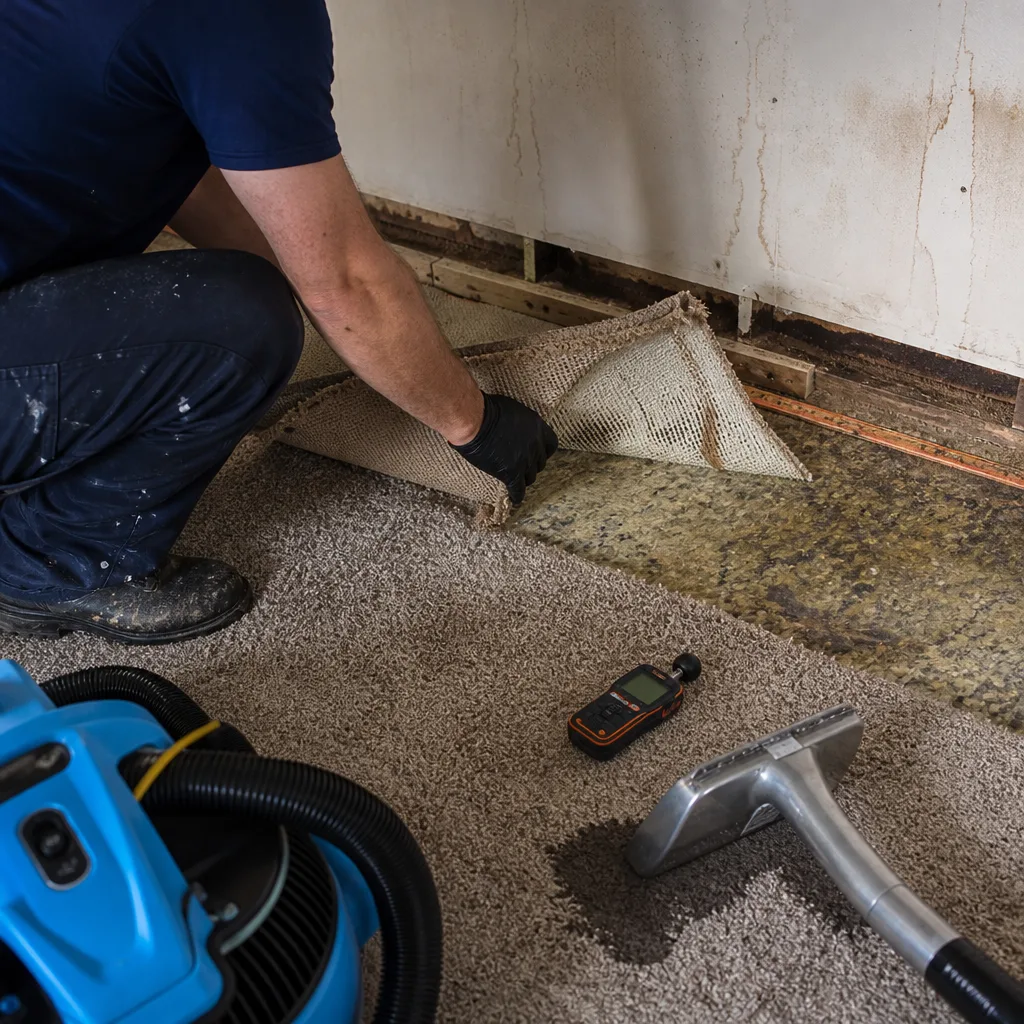
Fire damage cleanup in Opa-locka begins with a hazard assessment that most contractors skip: testing standing water for Category 3 contamination before anyone enters the structure. Opa-locka’s aging sewer and drainage systems have repeatedly overflowed during heavy rain, so fire scenes here are often hit with commingled stormwater and sewage - turning a routine post-fire water event into a presumptive black-water biohazard job before soot even gets addressed. Our crews set containment, deploy personal protective equipment, and document every moisture reading before demolition begins. We use Phoenix and XPOWER equipment to establish negative air pressure and begin structural drying on concrete block walls that absorb water vertically through mortar joints.
Smoke & Soot Removal
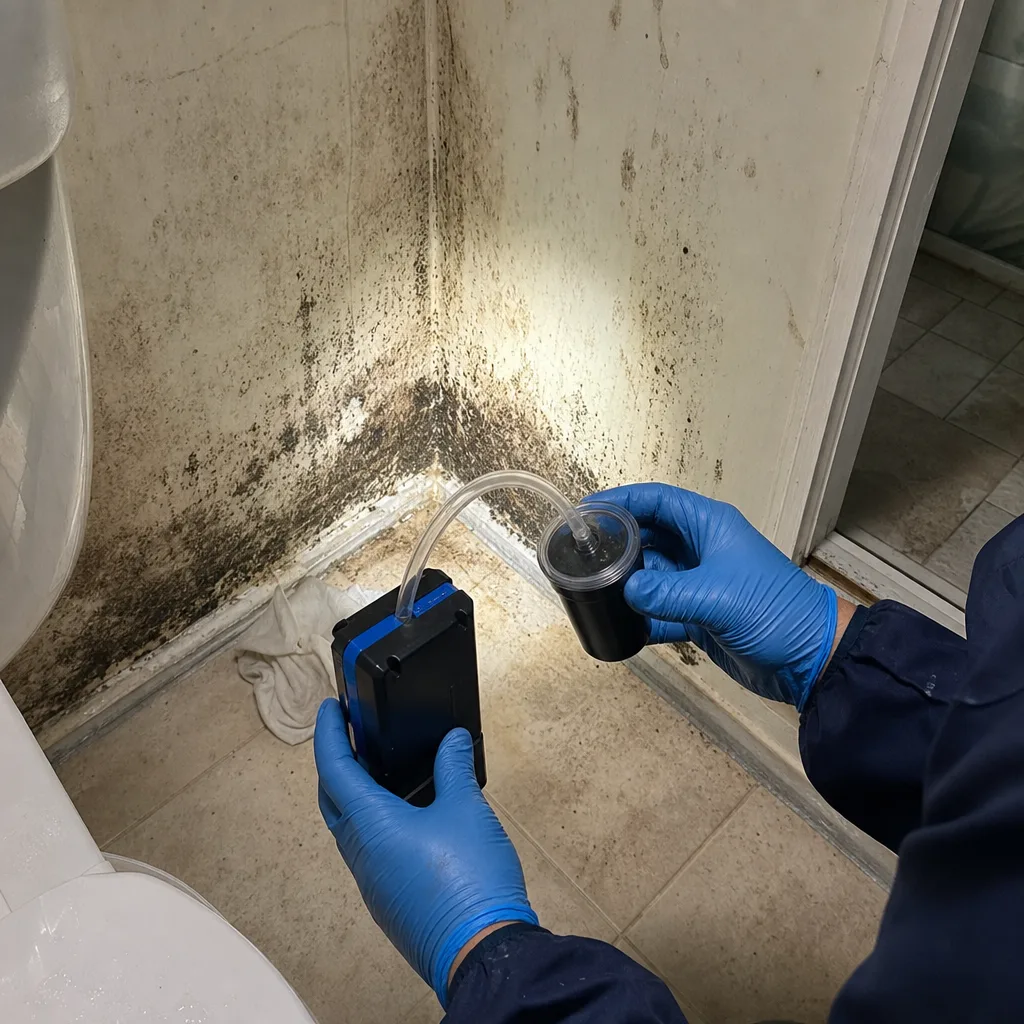
Smoke and soot removal in Opa-locka requires understanding how South Florida’s 80%+ year-round humidity accelerates acid formation on surfaces. Wet soot, the residue left after fire suppression, becomes chemically active within hours and can permanently etch glass, corrode metal, and stain porous drywall. Our process begins with dry soot removal via HEPA vacuuming, followed by wet cleaning with pH-neutral agents on surfaces that can tolerate moisture. On the 1950s-1970s concrete block homes common in Opa-locka, we pay particular attention to soot infiltration through soffit vents and roof penetrations on flat roofs with compromised membranes - a failure mode we see regularly where deferred maintenance has left gaps that smoke exploits.
Odor Removal & Deodorization
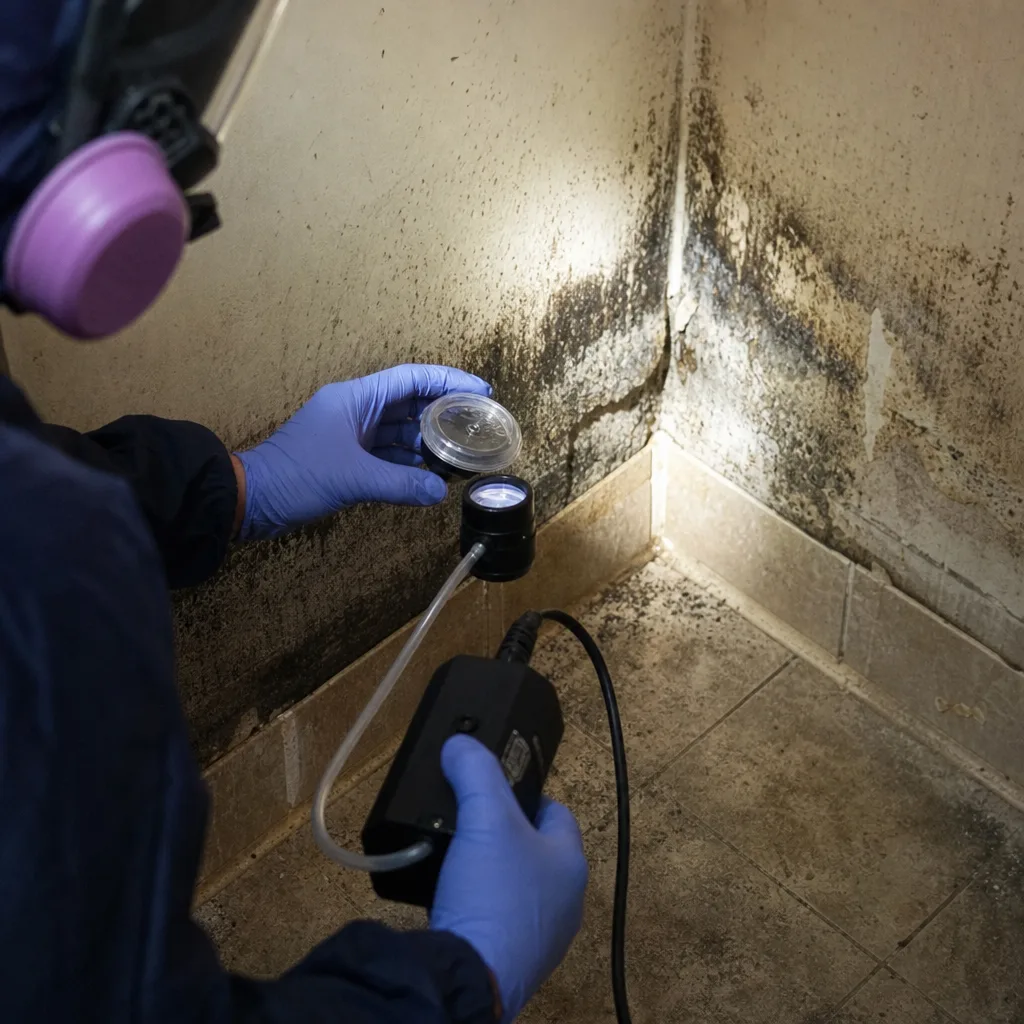
Odor removal in Opa-locka is complicated by humidity that keeps odor molecules volatile and by concrete block construction that absorbs smoke gases into porous mortar. Surface cleaning alone will not eliminate odor; we use thermal fogging, ozone treatment, and hydroxyl generation depending on the material and occupancy status. In Opa-locka’s climate, odor that persists past 48 hours usually indicates hidden moisture in block cavities or behind deteriorated drywall - conditions we map with infrared cameras and moisture meters before deodorizing. Our crews document odor treatment by zone, with readings taken before and after, so your adjuster sees measurable progress.
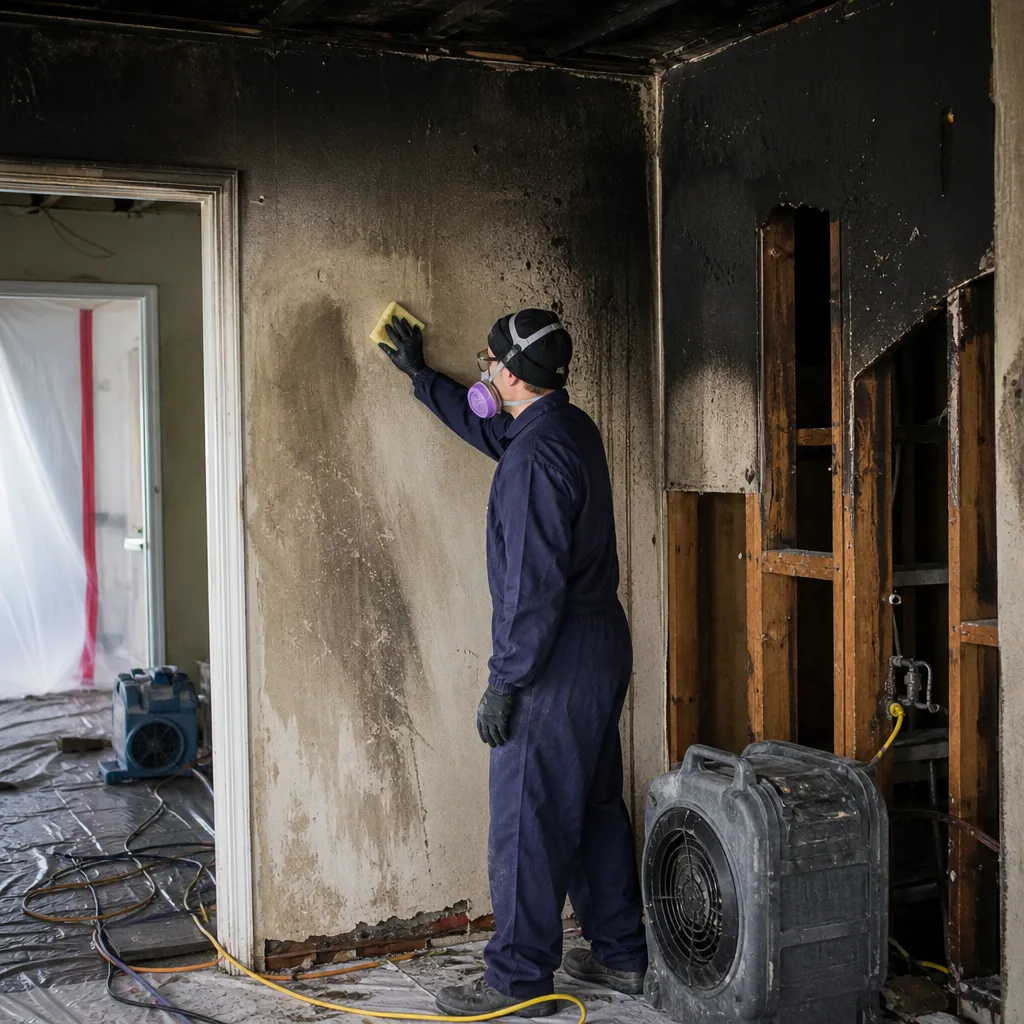
Contents Cleaning & Pack-Out
Contents pack-out in Opa-locka homes requires inventory documentation that matches insurance policy requirements - item, condition, location, and disposition. We photograph every piece before it leaves the property, clean salvageable items at our facility using ultrasonic and specialized textile processes, and store them in climate-controlled conditions while structural work proceeds. For Opa-locka’s older homes with limited closet space and accumulated possessions, we provide detailed pack-out lists that prevent the “missing items” disputes common on fire claims. Non-salvageable items are documented with photos and descriptions for your adjuster’s total-loss evaluation.
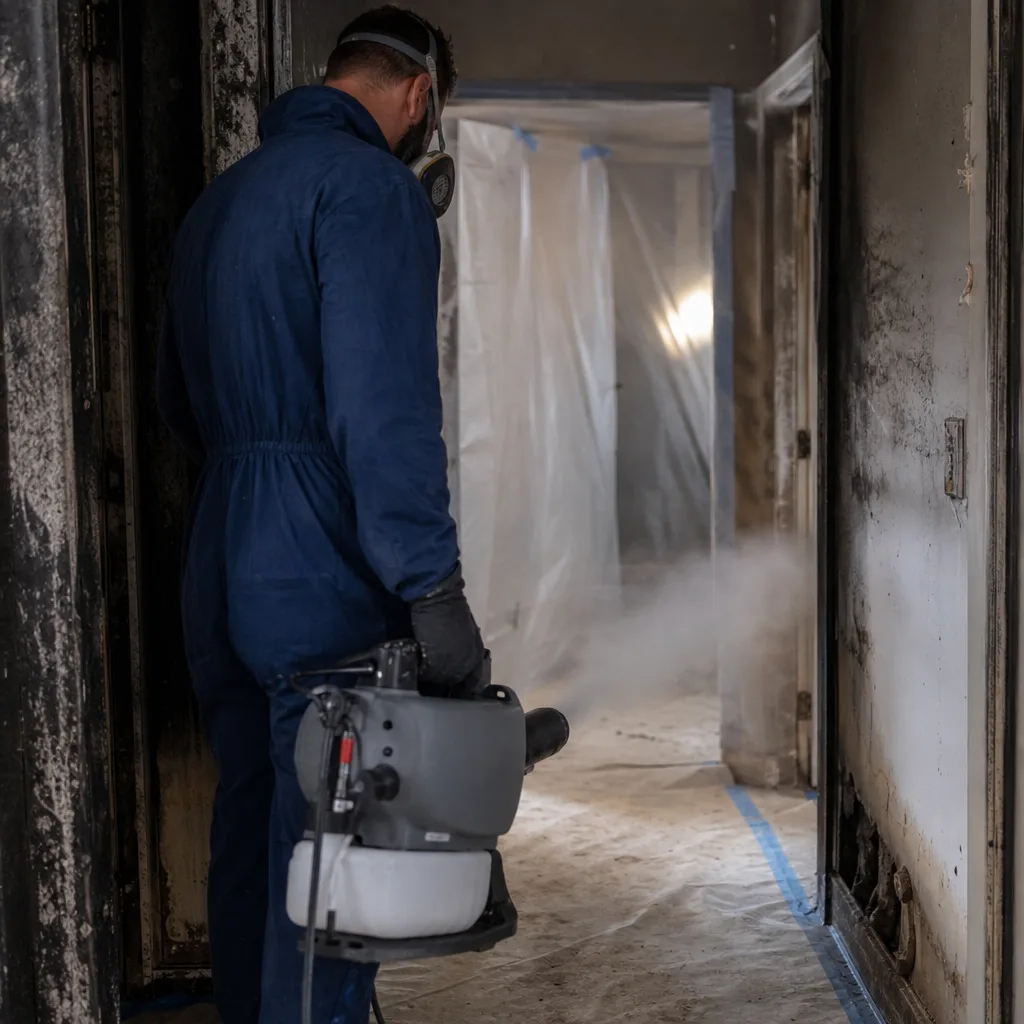
Emergency Board-Up & Tarping
Emergency board-up and tarping in Opa-locka must account for wind loads that standard plywood sheets will not withstand. Our crews use 5/8-inch CDX plywood with 2×4 framing anchored to structural members, not just window casings, and we tarp flat roofs with reinforced polyethylene secured at parapet walls and drainage points. This matters in Opa-locka because the afternoon convective storms that track through inland South Florida from June through September can tear inadequate tarps loose and re-flood a structure that fire suppression has already saturated. We document every board-up with photos showing anchor points and materials - your insurer will want this evidence if secondary damage occurs.
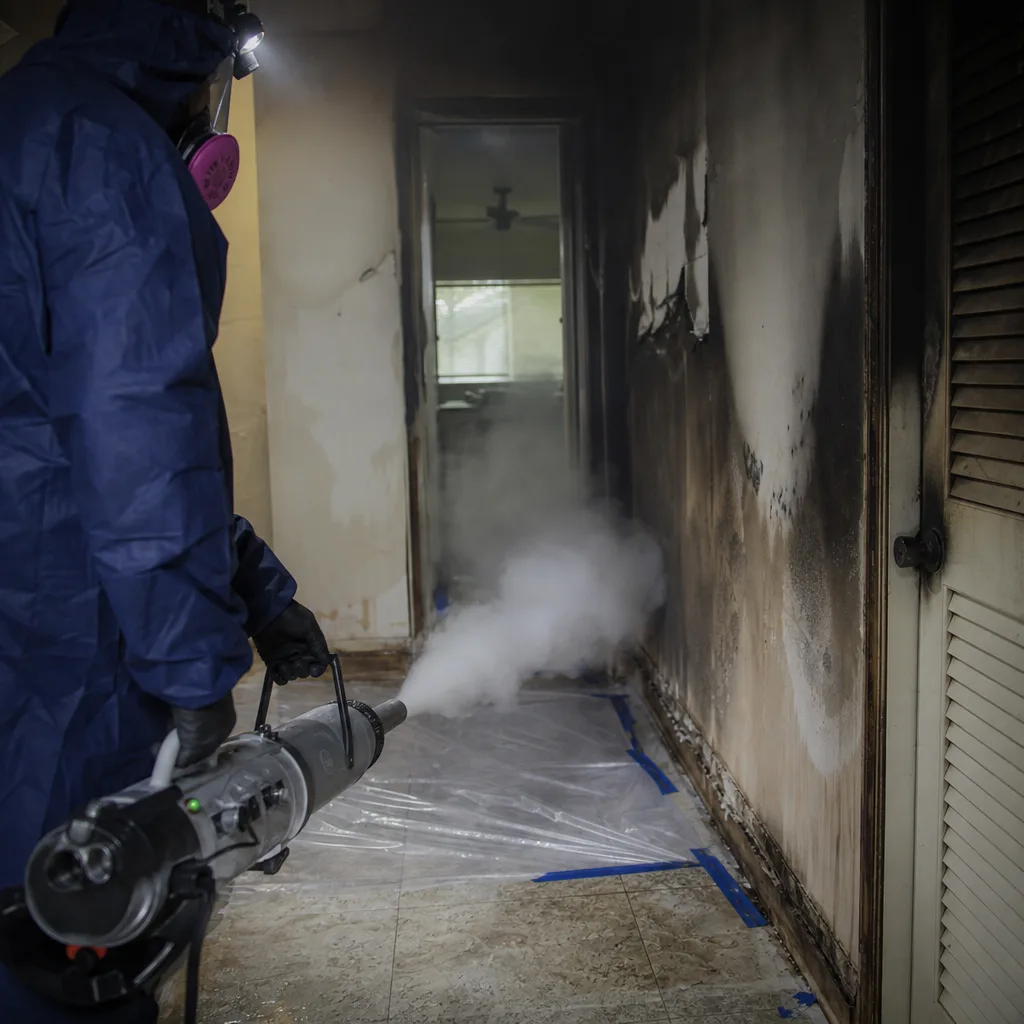
Structural Fire Repair
Structural fire repair in Opa-locka is scoped in writing and priced before reconstruction begins, per Haven Standard, Clause 1. On concrete block homes, we assess whether heat exposure has compromised mortar integrity or spalled block faces - damage that moisture mapping alone will not reveal. Where flat roof membranes have failed, we coordinate replacement with roofing contractors who understand the ponding-water issues endemic to Opa-locka’s low-slope construction. Every repair is photo-documented and covered by our 365-Day Done Right Promise: if it’s not done right, we make it right.
What happens when you call
- 1
A real person answersNo phone trees - you reach a local pro.
- 2
You get an upfront price rangeHonest numbers before anyone is dispatched.
- 3
A background-checked tech heads outLicensed & insured, dispatched right away.
- 4
You approve before work beginsNothing starts until you say go.
 Before
 After
AfterTrusted Equipment We Deploy in Opa-locka
Our Opa-locka crews deploy professional-grade drying and air quality systems from Dri-Eaz, Phoenix, and XPOWER - equipment documented to IICRC, RIA, and IFA standards. Dri-Eaz dehumidifiers and air movers handle the high-volume moisture loads from fire suppression in concrete block construction, while Phoenix units establish the vapor pressure differential needed to pull moisture from dense masonry. We stock HEPA air scrubbers and negative air machines locally for rapid deployment on smoke and biohazard jobs, so Opa-locka residents are not waiting for equipment to arrive from Fort Lauderdale or Miami Gardens while soot settles and humidity drives mold growth.
Common Fire & Smoke Damage Restoration Problems We See in Opa-locka Homes
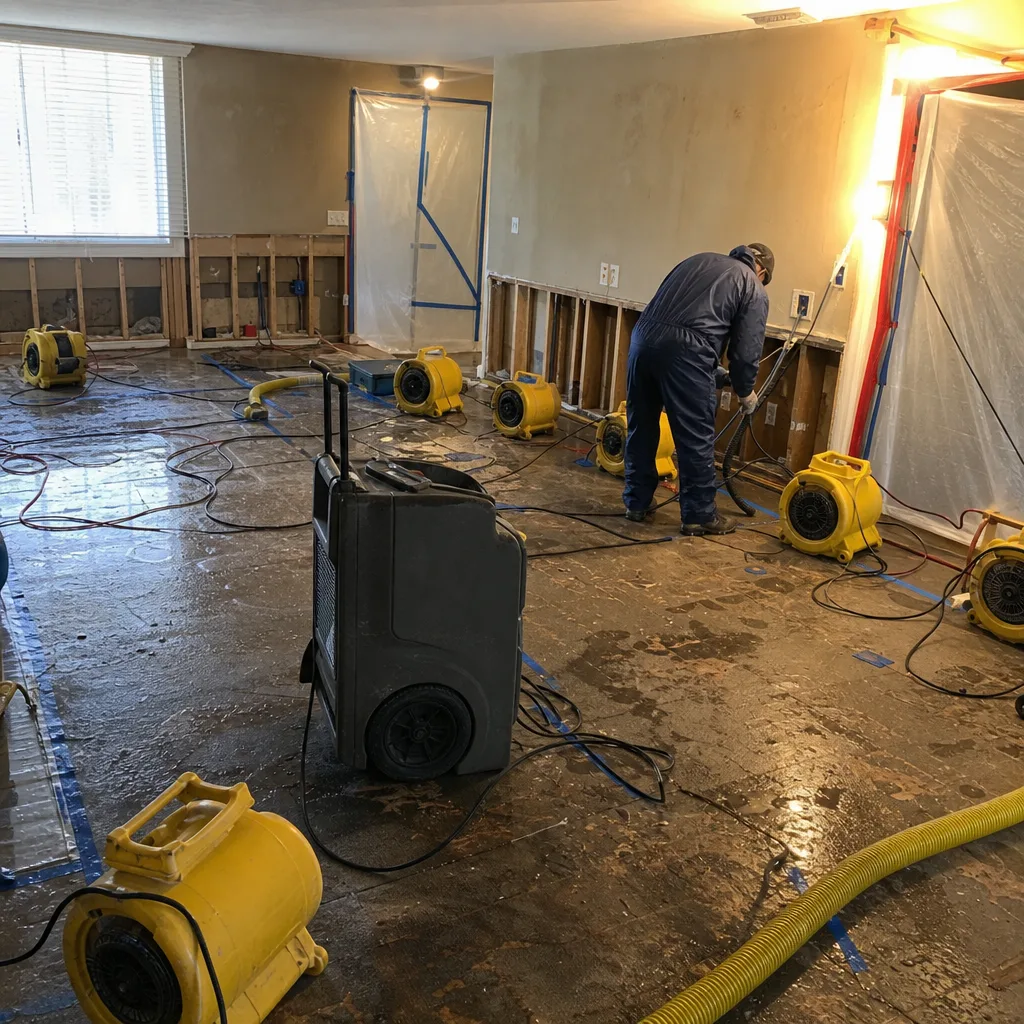
- Treating post-fire water as clean Category 1 or 2. Because the loss started with fire, some contractors assume the water is just suppression runoff. In Opa-locka, the documented history of sewer overflow during heavy rain means water sitting in a living room frequently tests positive for fecal coliform even when the homeowner reports “just rainwater came in.” We test every time.
- Skipping moisture mapping in concrete block walls. Block holds water silently, and Opa-locka’s 1950s-1970s housing stock often has deferred roof maintenance that allows hidden leaks to masquerade as fire-suppression water. Without infrared and pinless moisture meters, crews miss secondary damage that becomes mold in 48 hours.
- Inadequate documentation of pre-loss conditions. Opa-locka’s chronically under-maintained housing stock means pre-existing damage is common. Contractors who do not photograph and describe conditions before work begins create scope disputes that delay insurance payment and leave homeowners covering gaps.
- Failure to establish containment before deodorization. In concrete block homes with shared wall cavities, smoke odor migrates between rooms. Without zone containment and negative air pressure, deodorizing one room simply pushes contamination into adjacent spaces.
Pricing for Fire & Smoke Damage Restoration in Opa-locka, FL
Fire and smoke damage restoration pricing in Opa-locka reflects the specific conditions of this market - older housing stock, high humidity, and the frequent need for biohazard protocol on water damage that accompanies fire suppression.
| Service | Typical Range in Opa-locka |
|---|---|
| Emergency board-up and tarping | $800 - $2,400 |
| Smoke and soot removal (per affected room) | $1,200 - $3,500 |
| Odor removal and deodorization (whole house) | $2,000 - $5,800 |
| Contents pack-out and cleaning | $1,500 - $6,200 |
| Structural drying and moisture mapping | $2,400 - $7,600 |
| Category 3 water mitigation (when required) | $3,200 - $9,500 |
| Structural repair and reconstruction | $8,500 - $35,000+ |
What moves a job toward the higher end: Category 3 water contamination requiring biohazard PPE and disposal, extensive soot infiltration into HVAC ductwork, heat damage to structural members requiring engineering evaluation, and the presence of pre-existing moisture or mold that must be remediated before reconstruction. Every Opa-locka job receives a written price before work begins - Haven Standard, Clause 1 - with no scope-creep additions once the crew is inside. Estimates are free. Call (754) 254-1257 for exact pricing on your situation.
We Also Serve Cities Near Opa-locka
Our crews respond throughout northern Miami-Dade and southern Broward counties. We provide Fire & Smoke Damage Restoration in Opa-locka and surrounding communities including Fort Lauderdale, Pompano Beach, Plantation, and Hollywood. Dispatch and scheduling are coordinated from our Miami office; crews serve each city locally with equipment stocked for rapid deployment.
Serving Opa-locka, FL - Our Local Coverage Area
We’re based in the Opa-locka area and know this community well. Use the map below to see our service coverage - if you’re nearby, we can almost certainly help.
FAQs - Fire & Smoke Damage Restoration in Opa-locka
Opa-locka’s documented municipal sewage and drainage infrastructure failures mean that water entering homes during or after a fire frequently contains fecal coliform and other contaminants from sewer overflow, even when the homeowner believes only rainwater or suppression water is present. We test every post-fire water event and reclassify to Category 3 when contamination is confirmed, triggering full biohazard containment, PPE, and disposal protocols before any soot remediation begins. Call (754) 254-1257 if you have standing water after a fire - we will test it and give you a written scope.
In Opa-locka’s climate, where year-round humidity regularly exceeds 80%, smoke odor and soot can support mold colonization within 24-48 hours if fire suppression water remains in porous materials. Soot itself is not a food source for mold, but the organic residues in smoke and the moisture trapped in concrete block walls create conditions where Aspergillus and Penicillium species establish quickly. We begin moisture mapping and structural drying immediately on every Opa-locka fire job to prevent this secondary damage. Call (754) 254-1257 for same-day assessment.
Yes. Flat and low-slope roofs common in Opa-locka’s 1950s-1970s housing stock pond water, develop membrane failures, and provide pathways for smoke infiltration through soffit vents and roof penetrations that are often deteriorated from deferred maintenance. After a fire, these same roof conditions allow rainwater to enter and mix with fire suppression water, compounding damage and extending drying time. Our crews inspect roof integrity as part of every fire damage assessment in Opa-locka and document findings for your adjuster.
We arrive with inventory documentation systems, photograph every item in place, and provide you with a detailed pack-out list before anything leaves the property. Salvageable contents are cleaned using ultrasonic, textile, or specialized processes at our facility and stored in climate-controlled conditions; non-salvageable items are described and photographed for your adjuster’s total-loss evaluation. In Opa-locka’s older homes with limited storage space, this process prevents the “missing items” disputes that delay claims. Call (754) 254-1257 to schedule pack-out services.
We use pinless moisture meters, infrared thermal imaging, and psychrometric data - temperature, relative humidity, and vapor pressure readings - to verify that concrete block walls, slab foundations, and wood framing have returned to established dry standards. In Opa-locka’s high-humidity environment, “dry to the touch” is not sufficient; we require documented moisture content readings within IICRC parameters before authorizing reconstruction. Daily drying logs are provided as standard, not an upsell, so your insurer sees the evidence trail. Call (754) 254-1257 for documentation requirements on your claim.
Written by Alicia Brennan, Owner at DryMark Restoration Fort Lauderdale, serving Opa-locka since 2011 under The Haven Standard.