
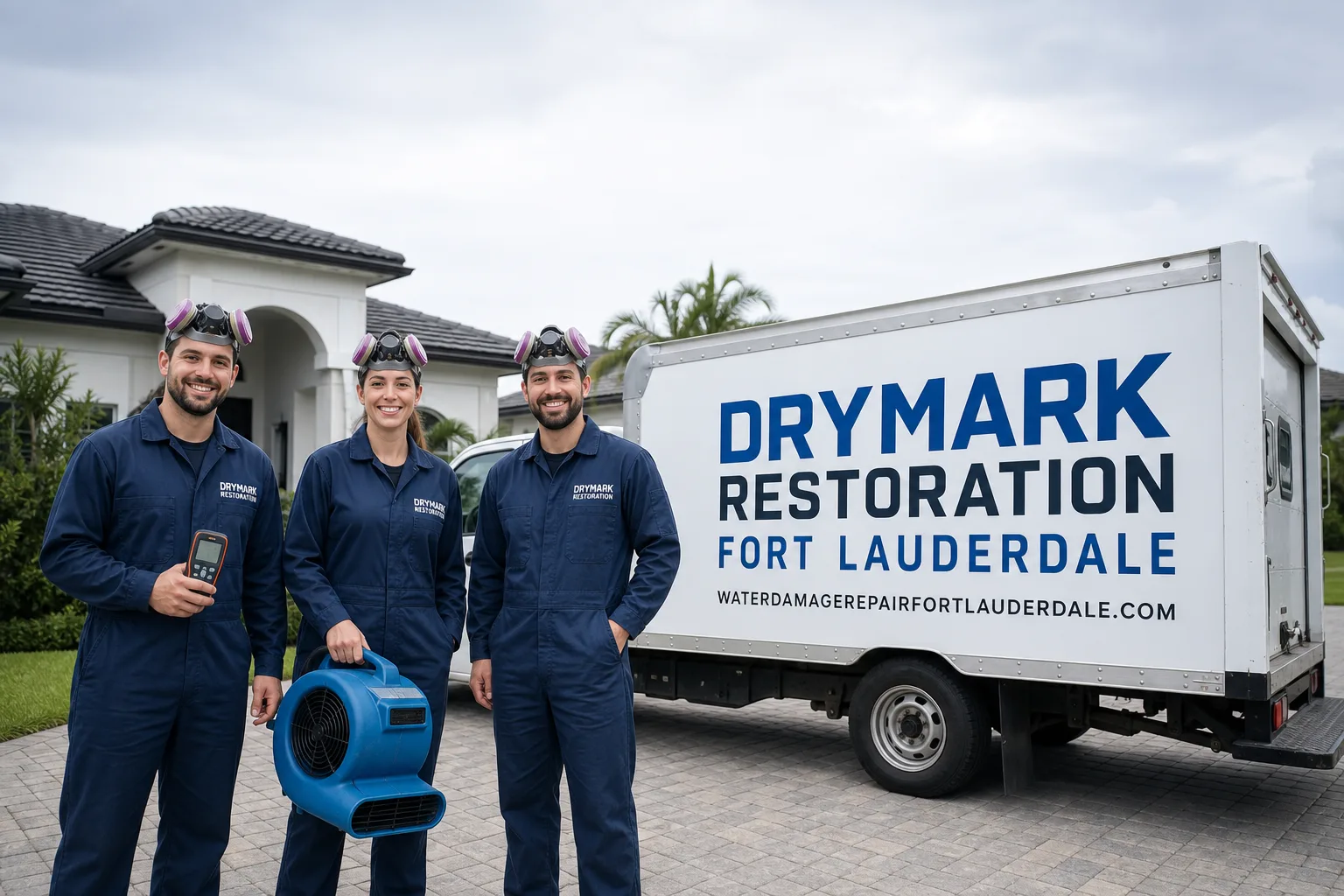
Free visual inspection and a written scope of work before any mitigation begins - photos, moisture readings, and drying logs go in your claim file
The scope we write is the scope we bill. Anything new gets shown to you, in writing, before we touch it.
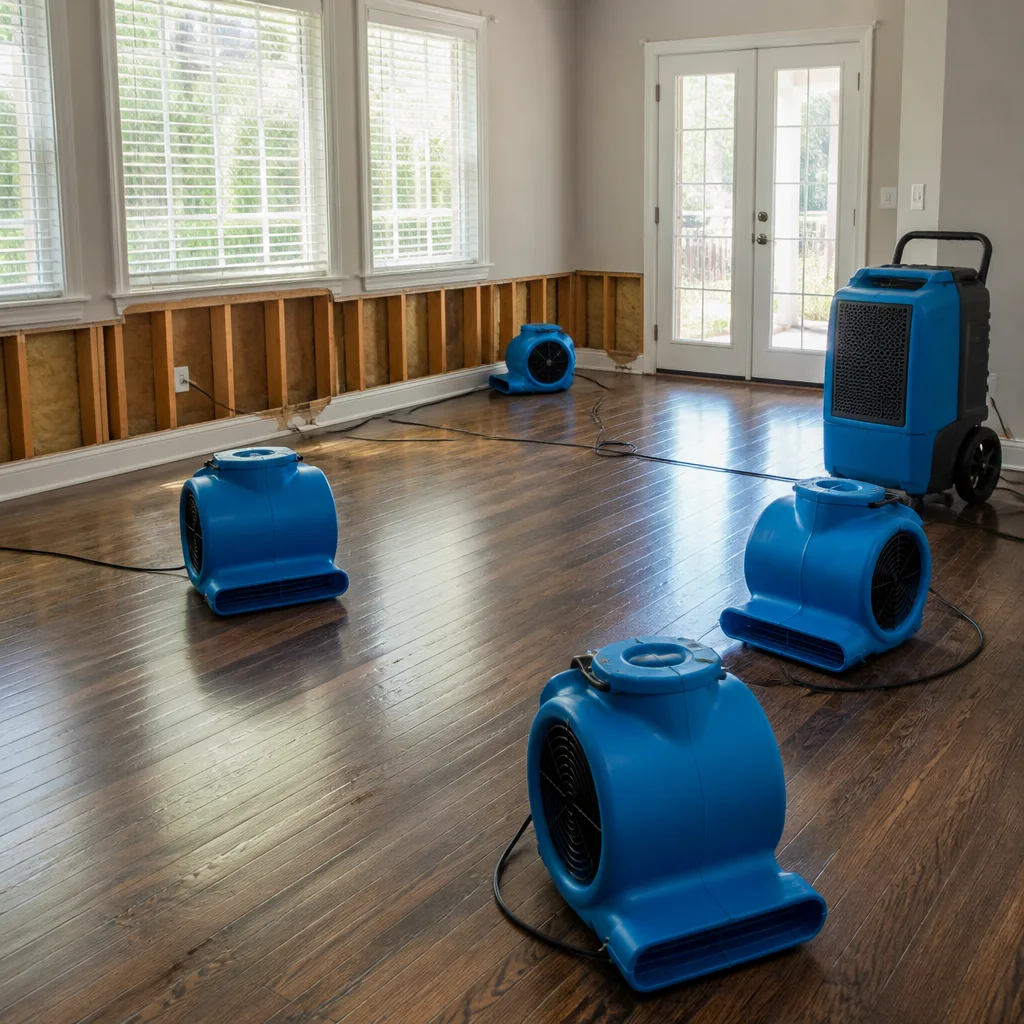
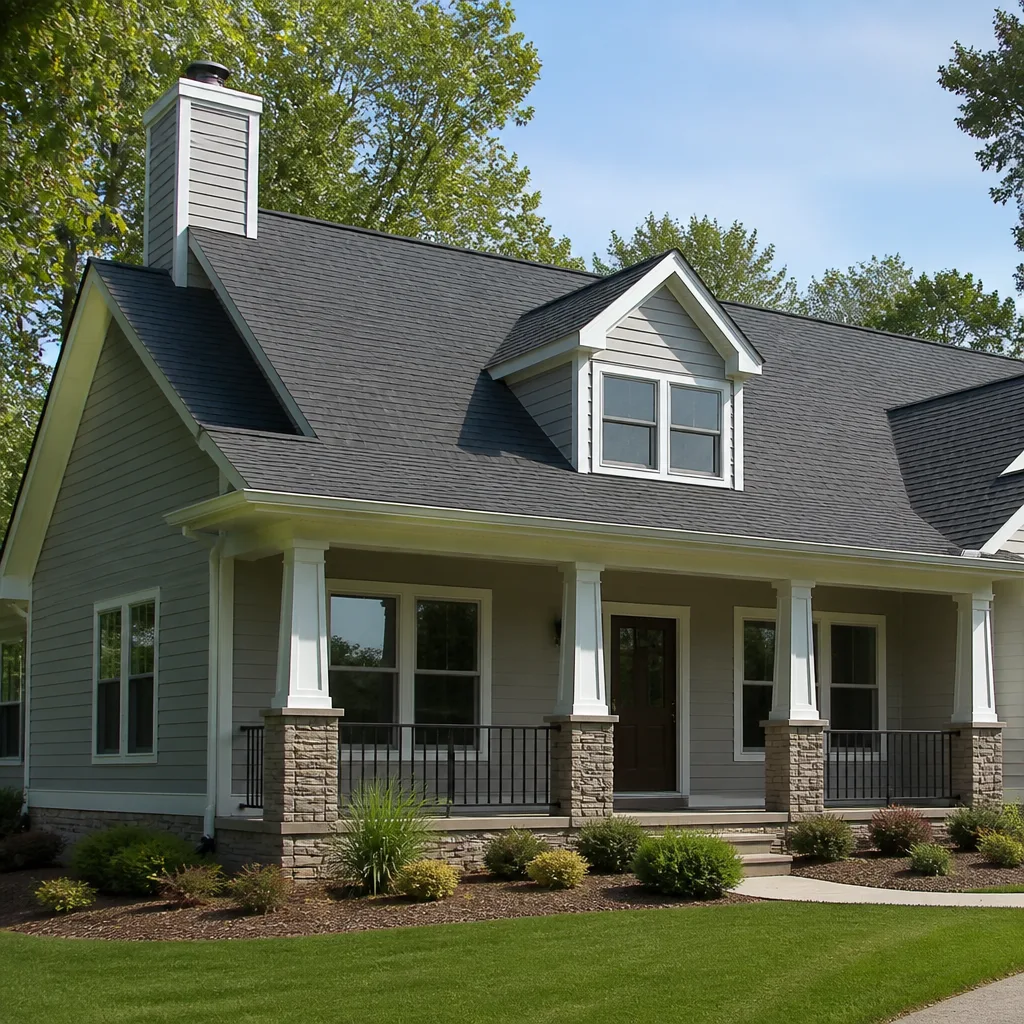
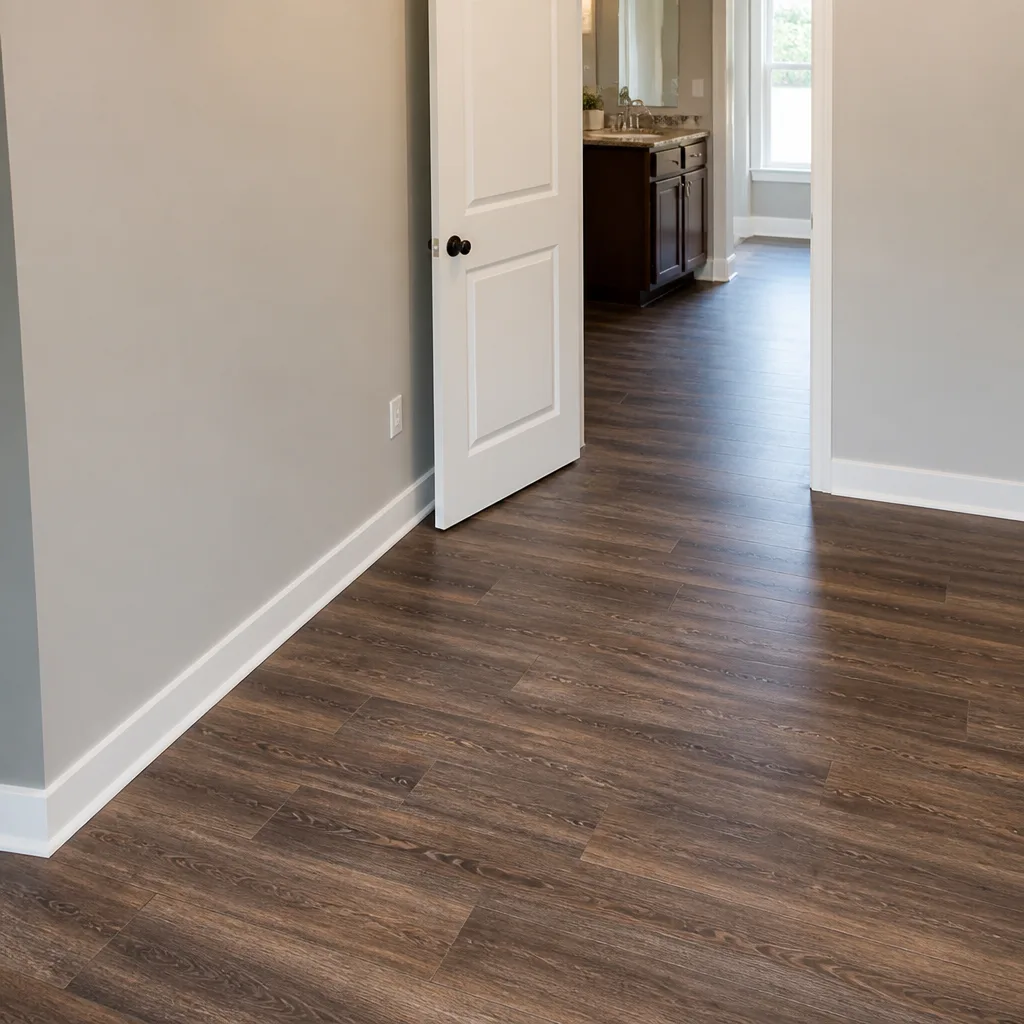
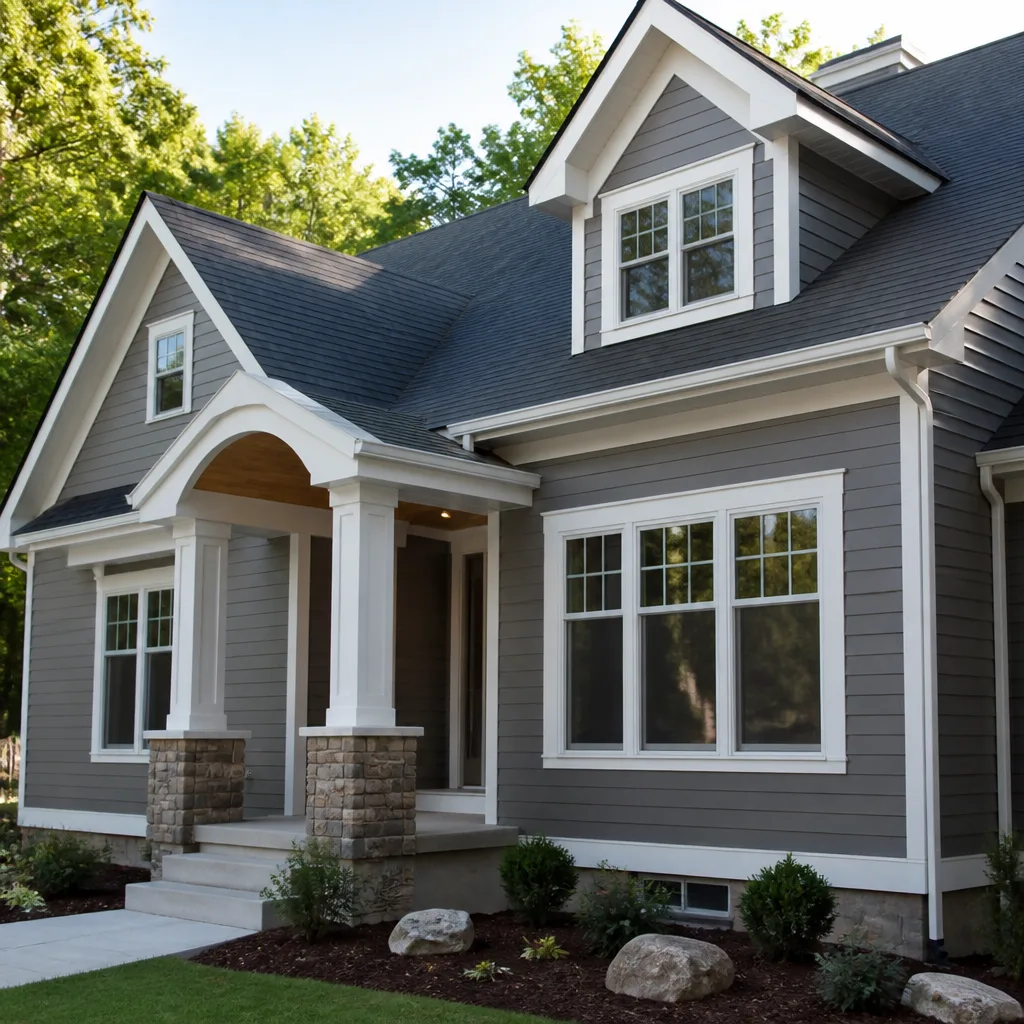
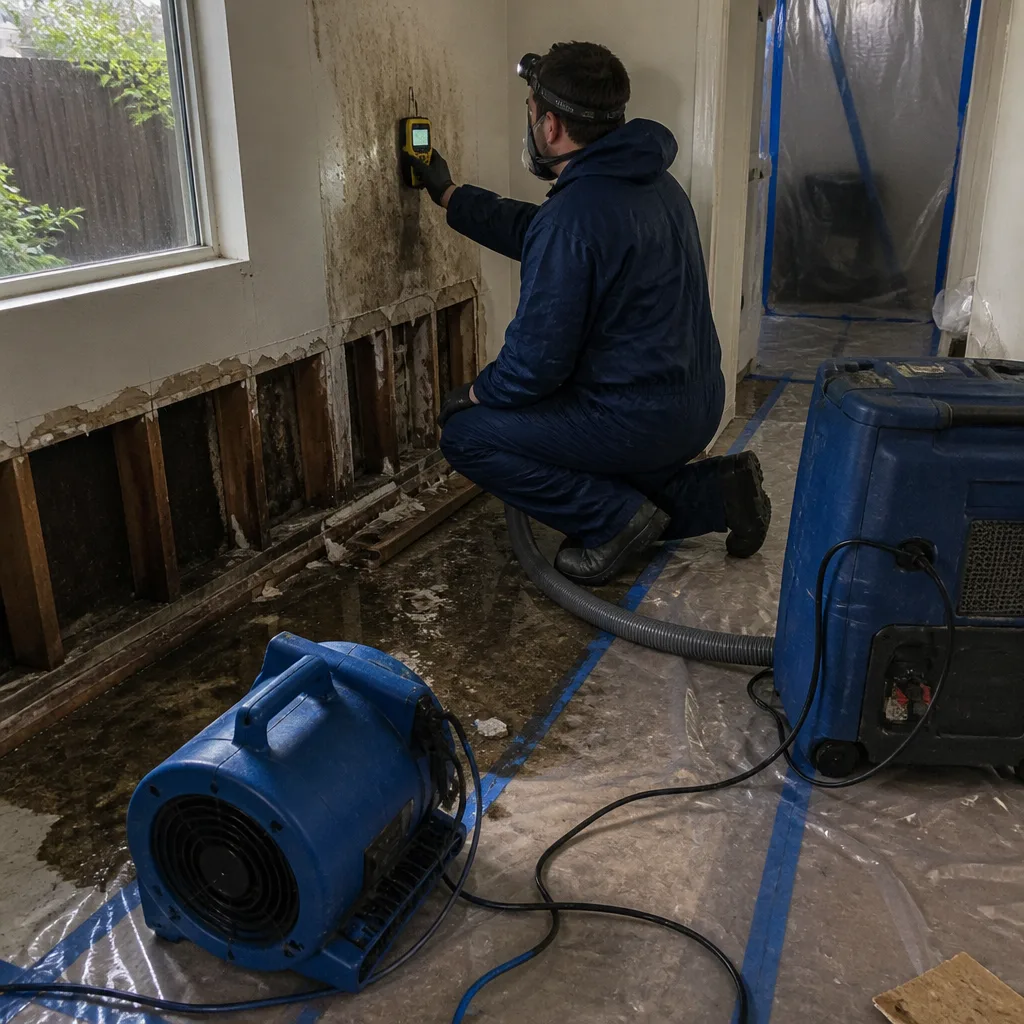 Before
 After
After Before
 After
After Before
 After
AfterFast, Reliable Water Damage Restoration Across Miami Gardens
Water damage restoration in Miami Gardens typically costs $2,800-$7,500 for a standard residential mitigation, with emergency water extraction starting at $1,200-$2,400 and structural drying running $180-$340 per day depending on equipment count and duration. Most Miami Gardens homeowners see our crews on-site within 60-90 minutes of calling (754) 254-1257, with a written scope and price delivered before any equipment is powered on.
We know Miami Gardens. Our crews have dried out homes off NW 183rd Street, along NW 27th Avenue corridor properties, and throughout the Norwood and Bunche Park neighborhoods - the same 1950s-1970s concrete block ranch homes built before Hurricane Andrew changed the Florida Building Code. That local knowledge matters because a CBS block home in Miami Gardens doesn’t dry like a wood-frame house in Pembroke Pines or a newer stucco build in Hialeah. The block traps moisture. The water table sits high against the slab. And the flat concrete roofs over those enclosed carports fail in ways that don’t show up on interior walls until days after the storm has passed. We document what we find, quote it in writing, and dry until the logs prove it’s done - not until it feels dry.
Why DryMark Restoration Fort Lauderdale Is Miami Gardens’s Preferred Water Damage Restoration Company
We’ve restored water-damaged homes in Miami Gardens since 2011, and our file on this city is specific: pre-1994 CBS construction, original terrazzo slabs, flat-roof carport additions with undersized drains, and a water table that pushes groundwater up through slab foundations during tropical events. That expertise shows up in our drying logs, which insurance adjusters in Miami-Dade County recognize and pay without dispute.
Our Miami Gardens customers leave reviews mentioning the same things: Alicia Brennan’s team showed up with penetrating moisture meters, explained the readings, and didn’t pull equipment until the block cores were documented dry. We don’t guess. We measure.
Response time to Miami Gardens runs 60-90 minutes from our Miami (South FL) office dispatch, 24 hours a day, 7 days a week. A live person answers every call - no voicemail trees, no next-business-day callbacks while water is still moving through your walls.
What separates us in Miami Gardens is documentation discipline. Every visit produces a photo record, a moisture map, and a drying log entry. When your adjuster asks for evidence that the structure was returned to pre-loss condition, we hand them a file, not a promise. That’s Haven Standard, Clause 1: written price before work begins, and documented proof when it ends.
Our Water Damage Restoration Services in Miami Gardens
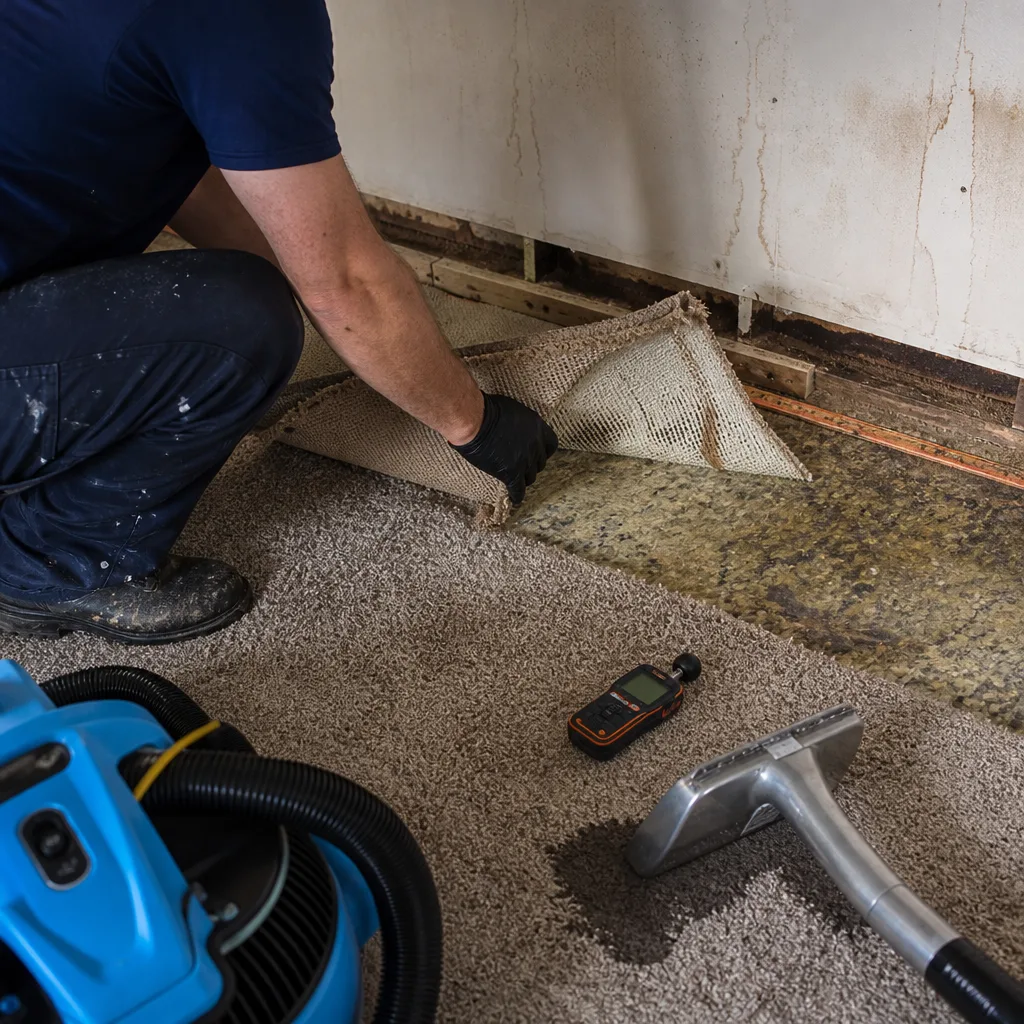
Emergency Water Extraction
When water enters a Miami Gardens home, speed matters - but so does where the water came from and where it went. We extract standing water from slab floors, carpet, and tile using truck-mounted and portable systems, then immediately begin moisture mapping with penetrating and non-penetrating meters to trace migration into CBS block cores and under original terrazzo. In Miami Gardens, we often find water has traveled laterally through block cavities or risen from the slab due to groundwater pressure - surface extraction alone misses it. Our emergency extraction in Miami Gardens includes full documentation of water category (1, 2, or 3) and affected square footage, with photos before any equipment is placed.
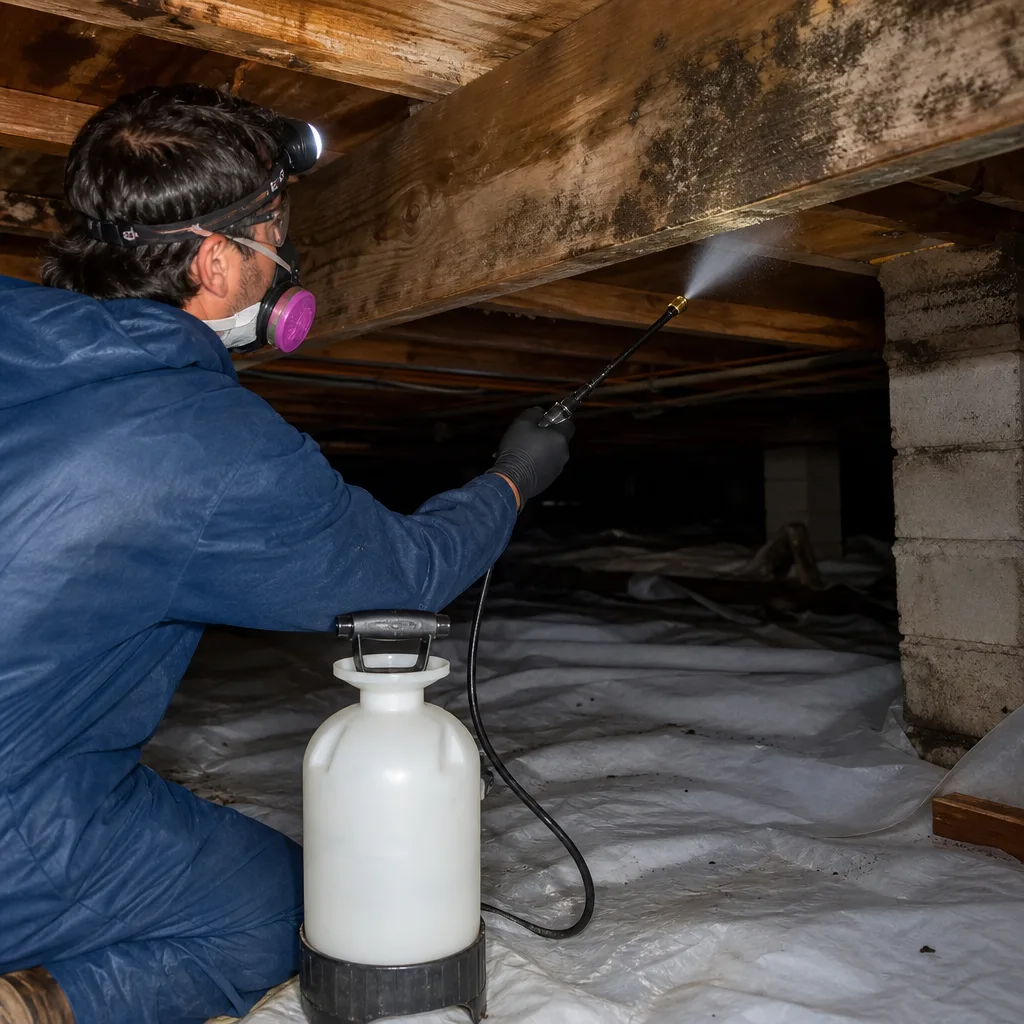
Structural Drying & Dehumidification
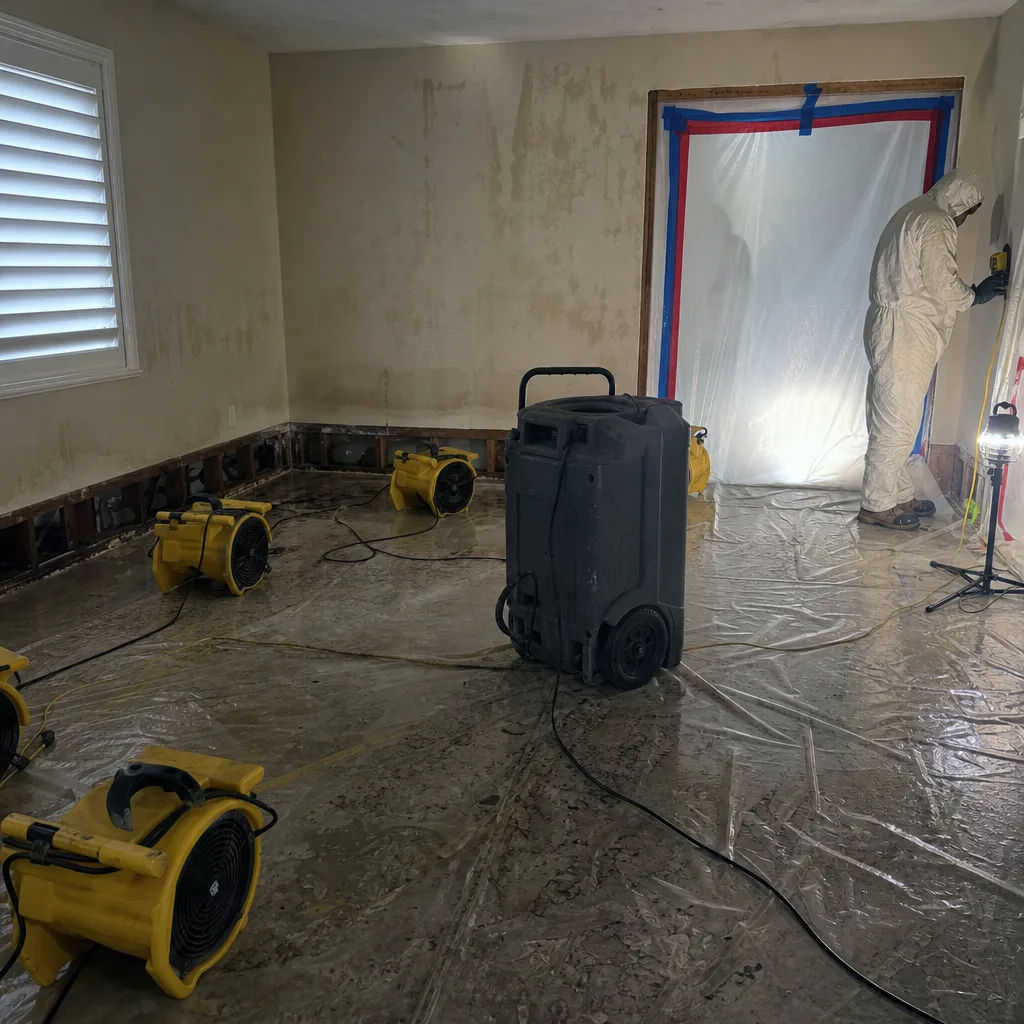
This is where Miami Gardens homes differ from every other market we serve. CBS block construction absorbs moisture slowly and releases it even slower. The limestone substrate beneath Miami Gardens sits at near-sea-level elevation with a water table 2-4 feet below grade, so groundwater pushes against slabs while tropical humidity - consistently 70-75% year-round - fights evaporation from above. We deploy Dri-Eaz and Phoenix LGR dehumidifiers, XPOWER and B-Air axial air movers, and Injectidry cavity drying systems specifically to address block-core moisture. Drying timelines in Miami Gardens routinely run 20-40% longer than regional averages. We don’t pull equipment until daily psychrometric logs - temperature, relative humidity, vapor pressure differential, and specific humidity - confirm the structure has reached pre-loss moisture content, documented to IICRC S500 standards.
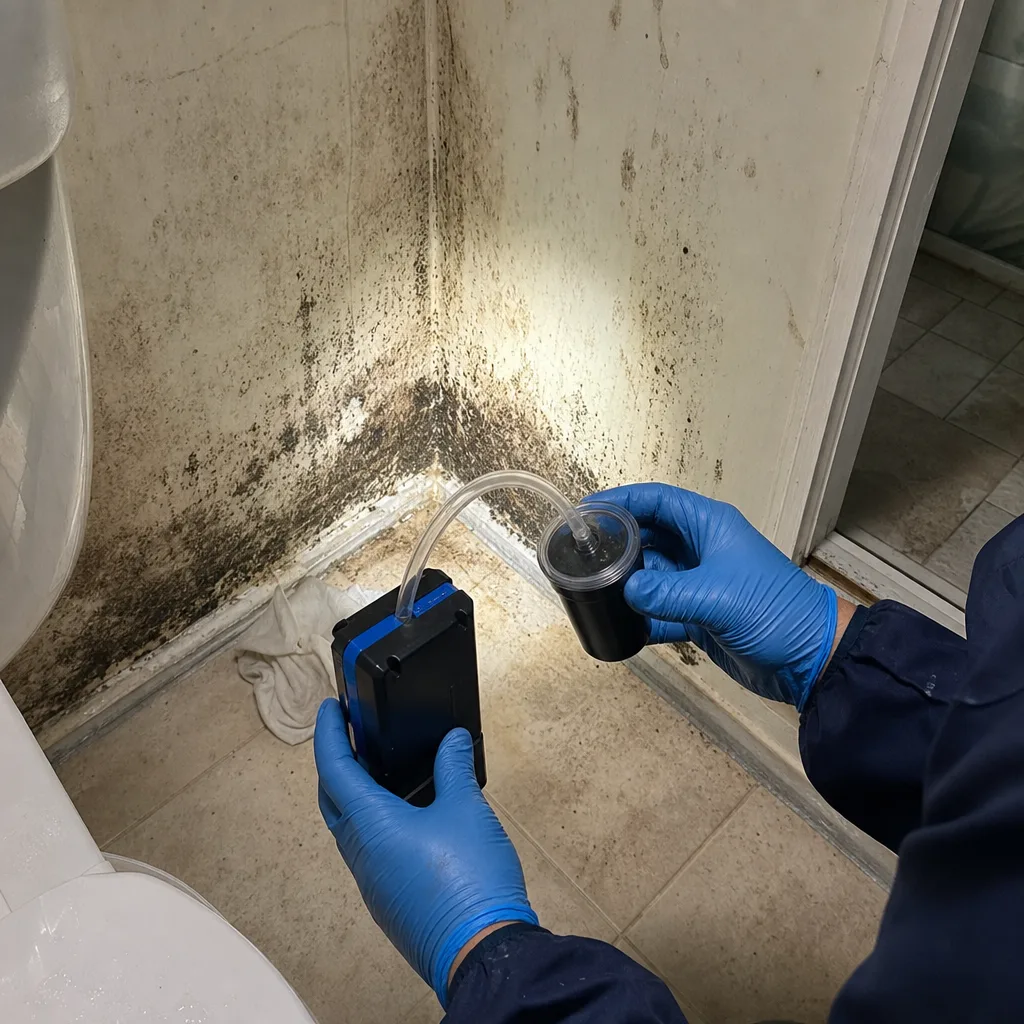
Flood Cleanup
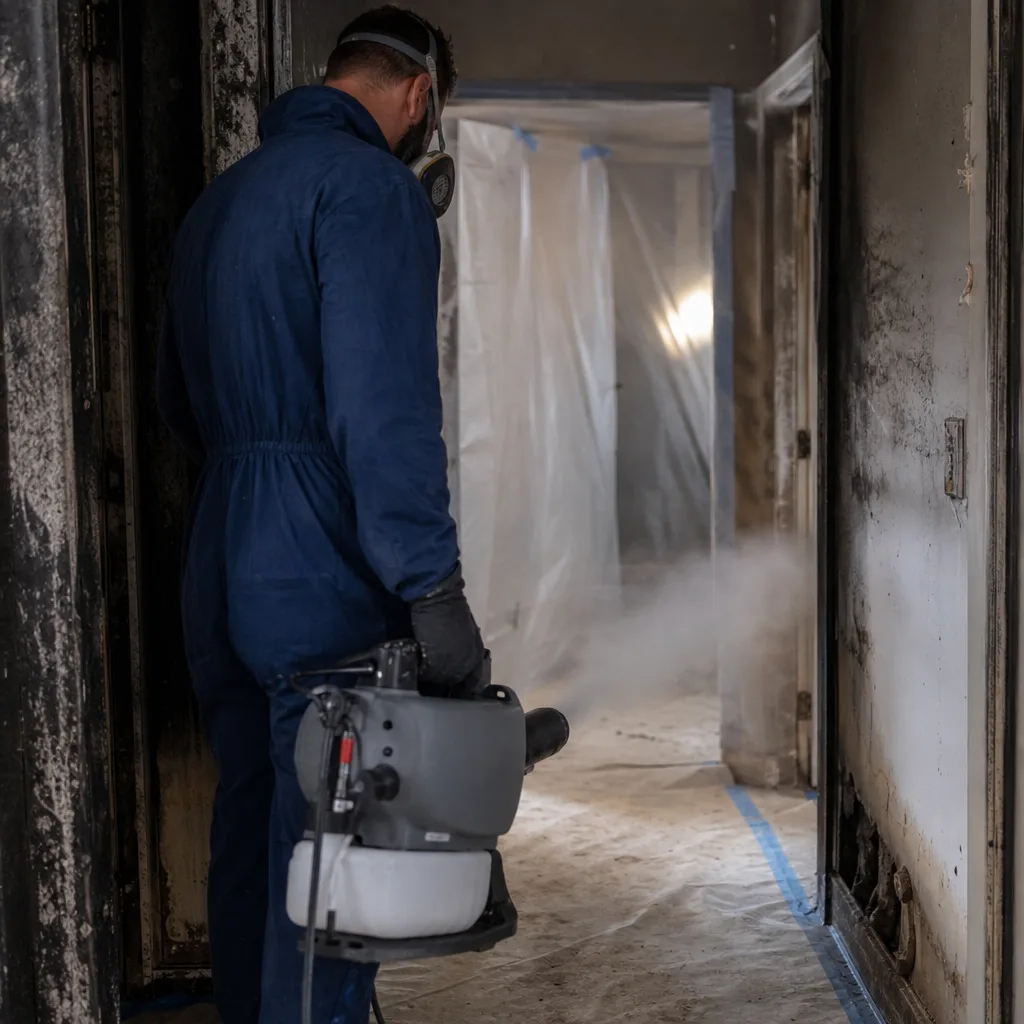
Miami Gardens flood events typically involve dual-direction intrusion: storm water entering from compromised roofing or window systems while groundwater rises against the slab from below. Category 2 or 3 contamination is common in pre-1994 homes that lack secondary water barriers and hurricane clips, because roof-to-wall separation during named storms introduces exterior contaminants into wall cavities. Our flood cleanup protocol in Miami Gardens includes antimicrobial treatment of affected block cavities, HEPA air filtration during drying, and pack-out of contents when contamination warrants it. We document the water category, the affected materials, and the remediation steps in a written scope delivered before work begins - Haven Standard, Clause 1.
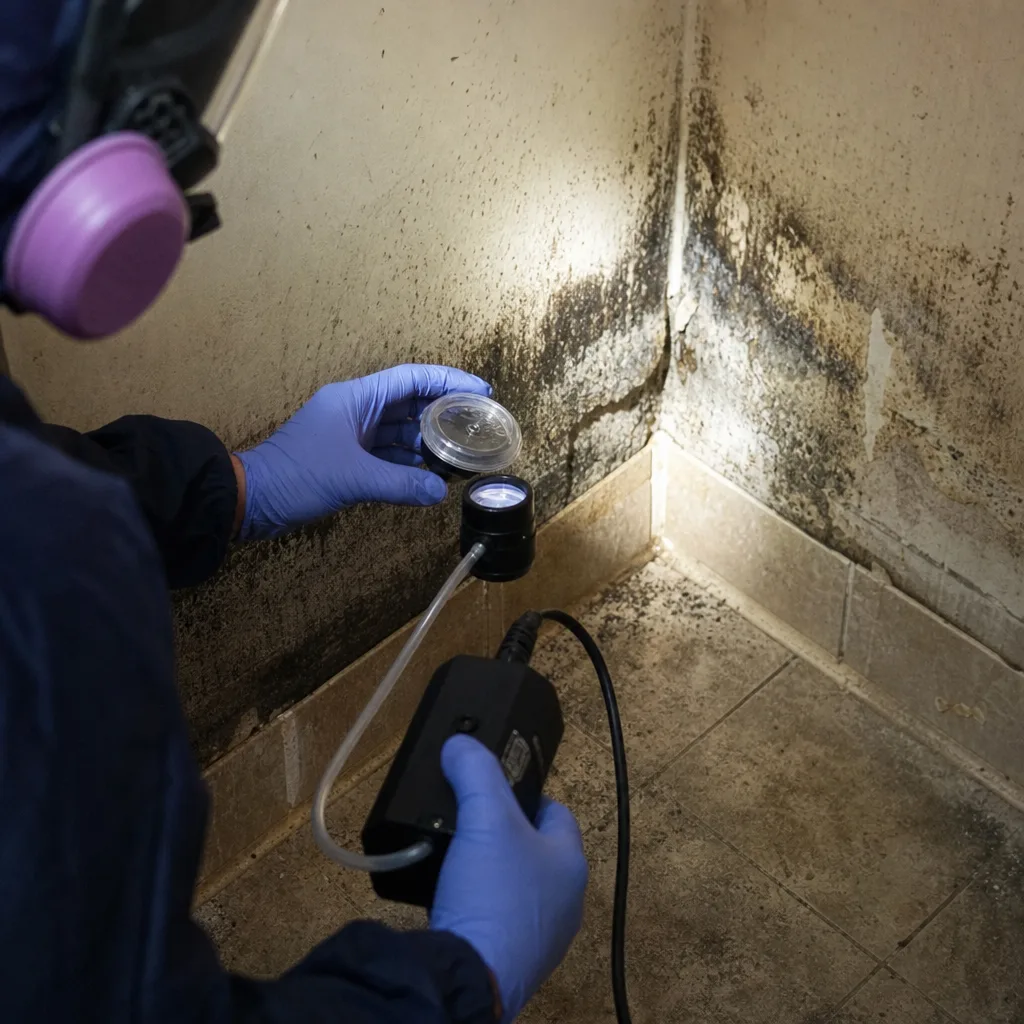
Burst Pipe Restoration
Plumbing failures in Miami Gardens homes often occur in original galvanized or early copper supply lines, or in the cast-iron drain lines common to 1960s-1970s construction. When a burst pipe floods a Miami Gardens home, we extract, map moisture migration into adjacent block walls, and dry with cavity-specific equipment. Because original terrazzo slabs lack modern vapor barriers, slab leaks and burst pipe flooding frequently drive moisture beneath the floor covering, requiring extended drying with Injectidry mat systems or, in severe cases, controlled demolition and reconstruction. We coordinate directly with your plumber and your adjuster, with photo documentation at every stage.
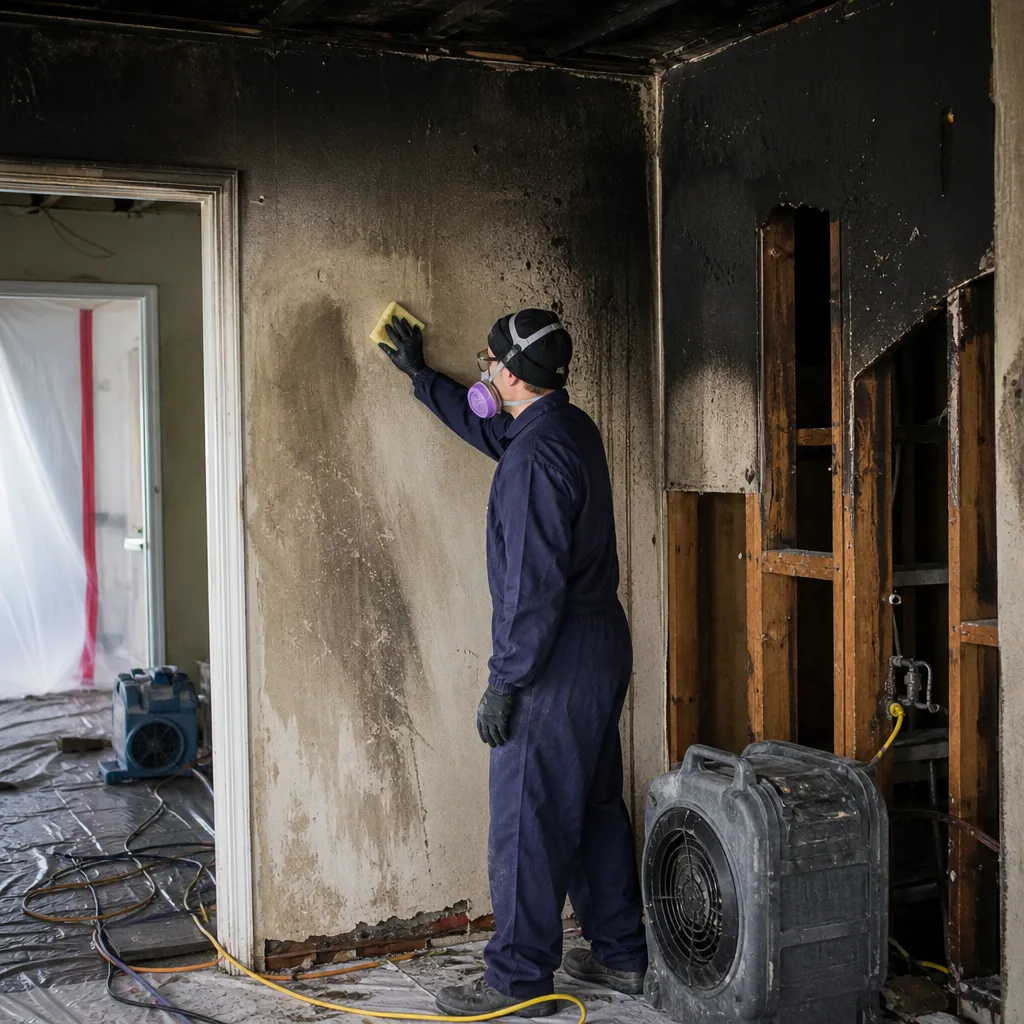
Ceiling & Roof Leak Water Damage
This is the failure mode we see most often in Miami Gardens, and it’s the one other crews miss. The flat concrete roof over an enclosed carport or rear room addition - nearly universal in 1960s ranch neighborhoods here - has a single undersized interior drain. During tropical downpours, water ponds, then wicks into the original CBS block at the roofline junction. The damage doesn’t appear on interior drywall or ceilings for days or weeks. By the time a Miami Gardens homeowner smells mustiness, mold is active inside the block cores. Our protocol: inspect these roof additions first on every Miami Gardens water call, trace moisture with penetrating meters, set containment and antimicrobial treatment if mold is present, and dry with directed airflow and dehumidification until logs confirm block-core moisture content is below 12%. We also document the drain failure in our scope so you can address the source before the next storm.
What happens when you call
- 1
A real person answersNo phone trees - you reach a local pro.
- 2
You get an upfront price rangeHonest numbers before anyone is dispatched.
- 3
A background-checked tech heads outLicensed & insured, dispatched right away.
- 4
You approve before work beginsNothing starts until you say go.
 Before
 After
AfterTrusted Brands We Service in Miami Gardens
Our Miami Gardens crews deploy professional-grade drying systems from Dri-Eaz, Phoenix, and XPOWER - equipment selected specifically for the high-humidity, slow-release drying environment of CBS block construction. We stock HEPA filtration, antimicrobial application systems, and moisture detection technology calibrated for the material types found in Miami Gardens homes: concrete block, terrazzo slab, original plaster or drywall, and the flat concrete roof substrates common to carport enclosures. Every piece of equipment is documented in your drying log with serial numbers, placement diagrams, and daily psychrometric readings. This isn’t equipment theater - it’s the documentation that turns restoration invoices into payable claims.
Common Water Damage Restoration Problems We See in Miami Gardens Homes
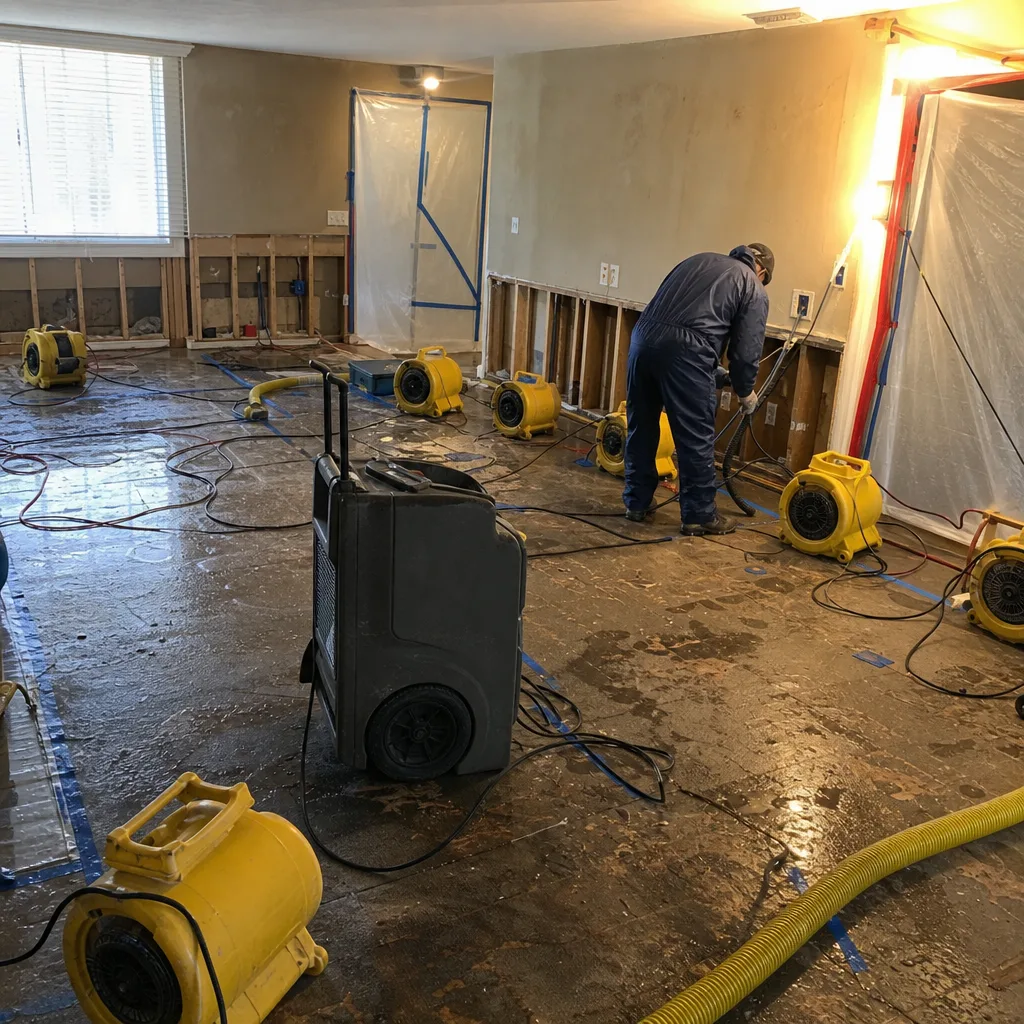
- Crews dry to surface readings and leave before block cores are documented. In Miami Gardens, a drywall surface can read dry while the CBS block cavity behind it holds 18-20% moisture content. Three weeks later, mold colonization is visible and the insurer disputes whether the original mitigation was complete. We don’t pull equipment until penetrating meters confirm core dryness, and we log every reading.
- Flat concrete carport roofs with single drains fail silently. Water ponds during tropical downpours, wicks into block at the roofline, and appears inside as delayed stains or odor days after the storm. Miami Gardens homeowners often call us for “mystery” moisture that traces directly to this predictable failure point. We check it first.
- Pre-1994 homes lack hurricane clips and secondary water barriers. When roof-to-wall separation occurs during named storms, the intrusion path introduces exterior contaminants that upgrade the water category from 1 to 2 or 3. Drying as Category 1 when the source was contaminated leads to failed claims and health hazards. We categorize correctly, document the building-code era, and scope accordingly.
- Groundwater rise against slabs during moderate rain events. Miami Gardens’s flat, low-permeability limestone terrain and high water table mean storm water enters from above while groundwater pushes from below. Single-direction drying protocols fail. We address both intrusion paths with slab-specific dehumidification and sub-slab vapor pressure management.
Pricing for Water Damage Restoration in Miami Gardens, FL
These are the price ranges we deliver in writing before work begins on Miami Gardens water damage jobs - Haven Standard, Clause 1, no exceptions:
| Service | Typical Range in Miami Gardens |
|---|---|
| Emergency Water Extraction | $1,200 - $2,400 |
| Structural Drying & Dehumidification (per day) | $180 - $340 |
| Standard Residential Mitigation (full job) | $2,800 - $7,500 |
| Cavity Drying / Injectidry System (per day) | $220 - $380 |
| Antimicrobial Treatment (per affected area) | $350 - $650 |
| Contents Pack-Out & Storage (if required) | $1,500 - $4,200 |
What moves a Miami Gardens job toward the higher end: Category 2 or 3 contamination requiring antimicrobial treatment and contents handling; extended drying timelines due to CBS block moisture retention; flat-roof carport failures requiring cavity drying and structural repair coordination; and dual-direction intrusion from groundwater plus storm water. Every Miami Gardens job receives a written scope with line-item pricing before any work starts. Bring a competitor’s written estimate and we’ll review it at no charge - our Free Second Opinion policy.
We Also Serve Cities Near Miami Gardens
Our Water Damage Restoration crews serve Miami Gardens and surrounding communities including Hialeah, North Miami Beach, Pembroke Pines, and Hollywood. Each market has distinct construction eras, soil conditions, and failure patterns - our documentation protocols adapt to each. Whether you’re in Miami Gardens proper or nearby, the same Haven Standard applies: written price before work begins, photo record on every visit, and a 365-Day Done Right Promise backed by Alicia Brennan’s team. Water Damage Restoration in Miami Gardens is coordinated from our Miami (South FL) office with local crews dispatched to your neighborhood.
Serving Miami Gardens, FL - Our Local Coverage Area
We’re based in the Miami Gardens area and know this community well. Use the map below to see our service coverage - if you’re nearby, we can almost certainly help.
FAQs - Water Damage Restoration in Miami Gardens
CBS block construction absorbs and releases moisture slowly, and Miami Gardens’s year-round 70-75% relative humidity suppresses evaporation rates. The high water table against slab foundations adds a secondary moisture source. Typical Miami Gardens structural drying runs 20-40% longer than wood-frame homes in drier inland markets. We don’t pull equipment until daily logs prove the block cores are dry - usually 7-12 days versus 5-8 days regionally. Call (754) 254-1257 for a written estimate on your specific situation.
Surface drywall can feel dry while CBS block cavities and the space beneath original terrazzo slabs remain moist. Mold germinates in these hidden cavities when moisture content stays above 15-16% for 48-72 hours. Miami Gardens’s high humidity extends that window. Crews who dry to surface readings and skip penetrating moisture mapping leave active colonization behind. We map cavities with penetrating meters and don’t declare a job complete until core readings match pre-loss baselines. Call (754) 254-1257 if you’re noticing musty odors after a recent mitigation.
Repair the immediate water damage, but retrofit the structural vulnerability. Pre-1994 Miami Gardens homes lack hurricane clips, secondary water barriers, and impact-rated roofing that Miami-Dade County now requires. Roof-to-wall separation during named storms will recur until those elements are added. Our written scope documents the storm-related damage for your insurance claim and notes the code-era deficiencies so you can discuss retrofit options with a licensed contractor. We don’t perform structural retrofits, but we document what we find so your next contractor knows exactly where the failure originated. Call (754) 254-1257 for documentation and drying.
The flat concrete roof has a single undersized interior drain. During tropical downpours it overwhelms, water ponds, and wicks into the original CBS block at the roofline junction - but the damage migrates horizontally inside the block cavity before any stain appears on interior drywall or ceiling. Homeowners stop monitoring after the storm passes. Days or weeks later, musty odor or a delayed stain appears. Our crews inspect these carport roofs first on every Miami Gardens water call with penetrating moisture meters. Call (754) 254-1257 if you have an enclosed carport and recent storm exposure.
Sometimes, but not always. Category 2 or 3 contamination requires antimicrobial treatment and often controlled removal of porous materials that contacted contaminated water. CBS block itself is non-porous and can be dried in place with cavity-directed airflow and dehumidification, but insulation, drywall, and flooring in the affected area typically require removal per IICRC S500 standards. We document the water category, the affected materials, and our recommended scope in writing before any demolition begins - Haven Standard, Clause 1. Call (754) 254-1257 for a written assessment.
Water damage in Miami Gardens doesn’t behave like water damage elsewhere. The pre-Andrew CBS block, the high water table, the flat concrete carport roofs - these conditions produce failure patterns we’ve documented across thousands of local jobs since 2011. We know what to look for, where moisture hides, and how long drying actually takes here. Every job starts with a written price and ends with a documented file your adjuster can pay. That’s The Haven Standard.
Call (754) 254-1257 now. A live person answers 24 hours a day. Estimates are free. Written scopes are delivered before any work begins. And every Miami Gardens job is covered by our 365-Day Done Right Promise - if it’s not done right, we make it right.
Written by Alicia Brennan, Owner at DryMark Restoration Fort Lauderdale, serving Miami Gardens since 2011.