
Last updated September 23, 2026
Free visual inspection and a written scope of work before any mitigation begins - photos, moisture readings, and drying logs go in your claim file
The scope we write is the scope we bill. Anything new gets shown to you, in writing, before we touch it.
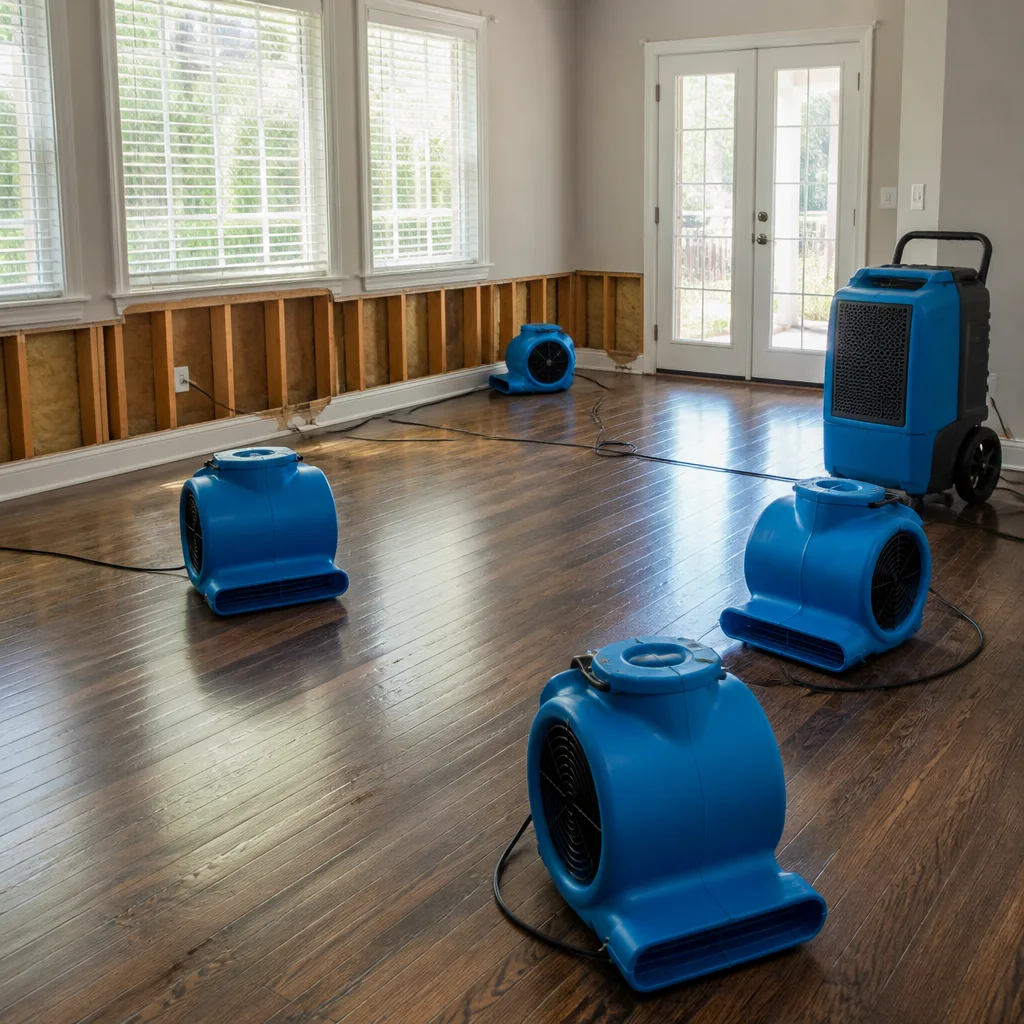


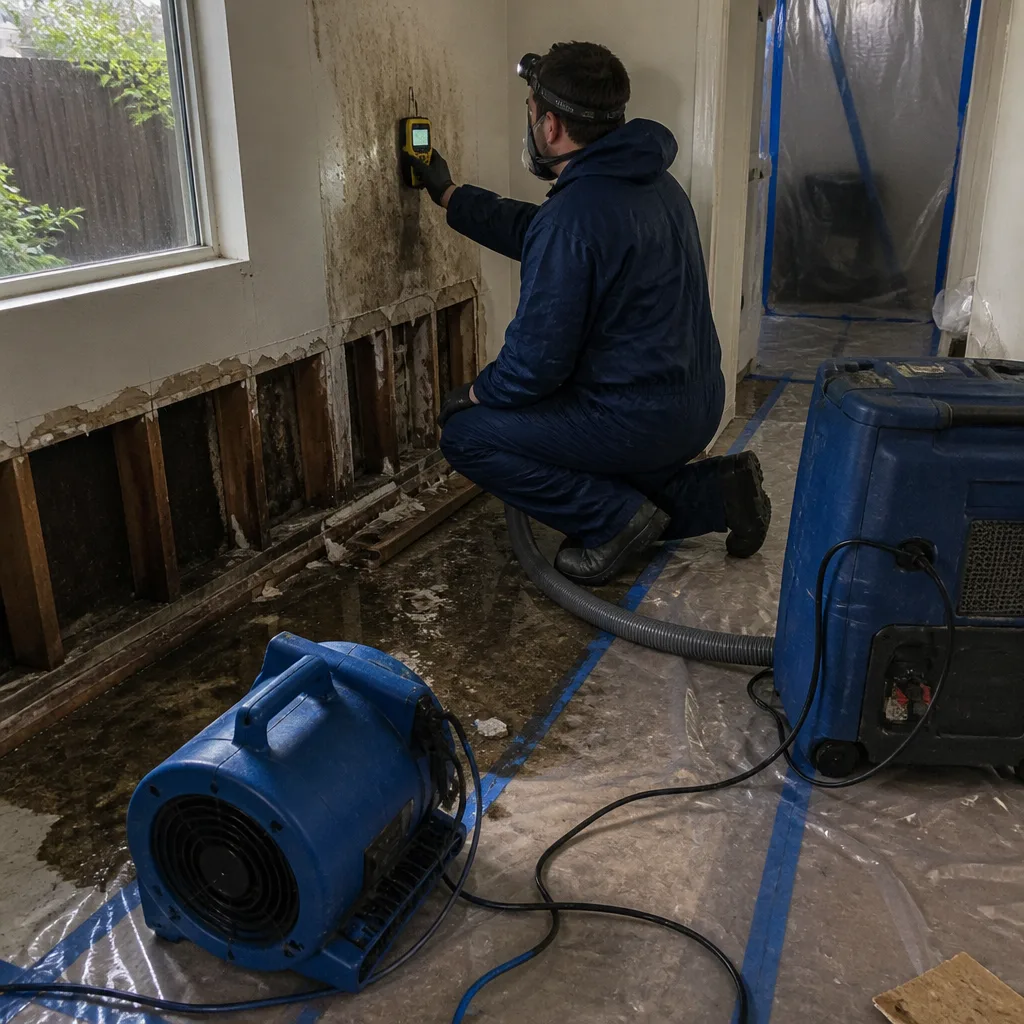 Before
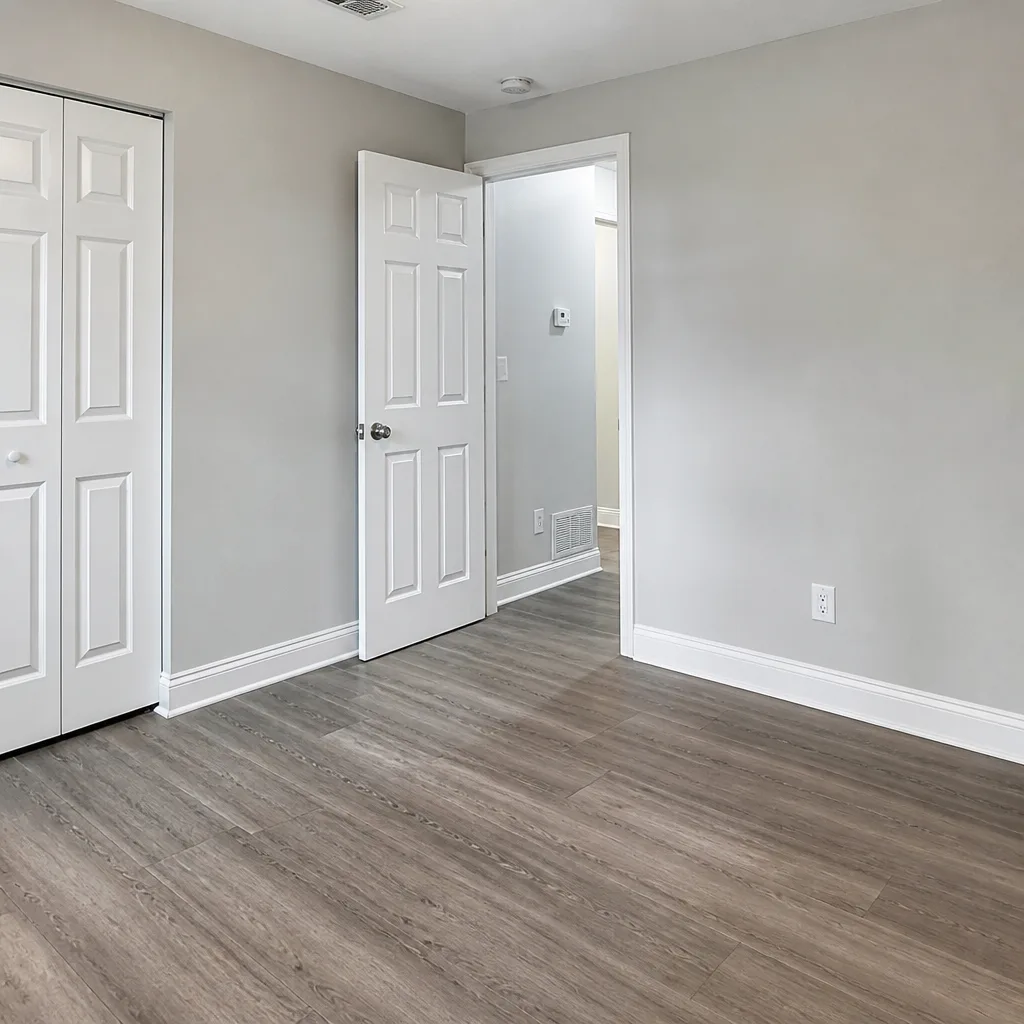 After
After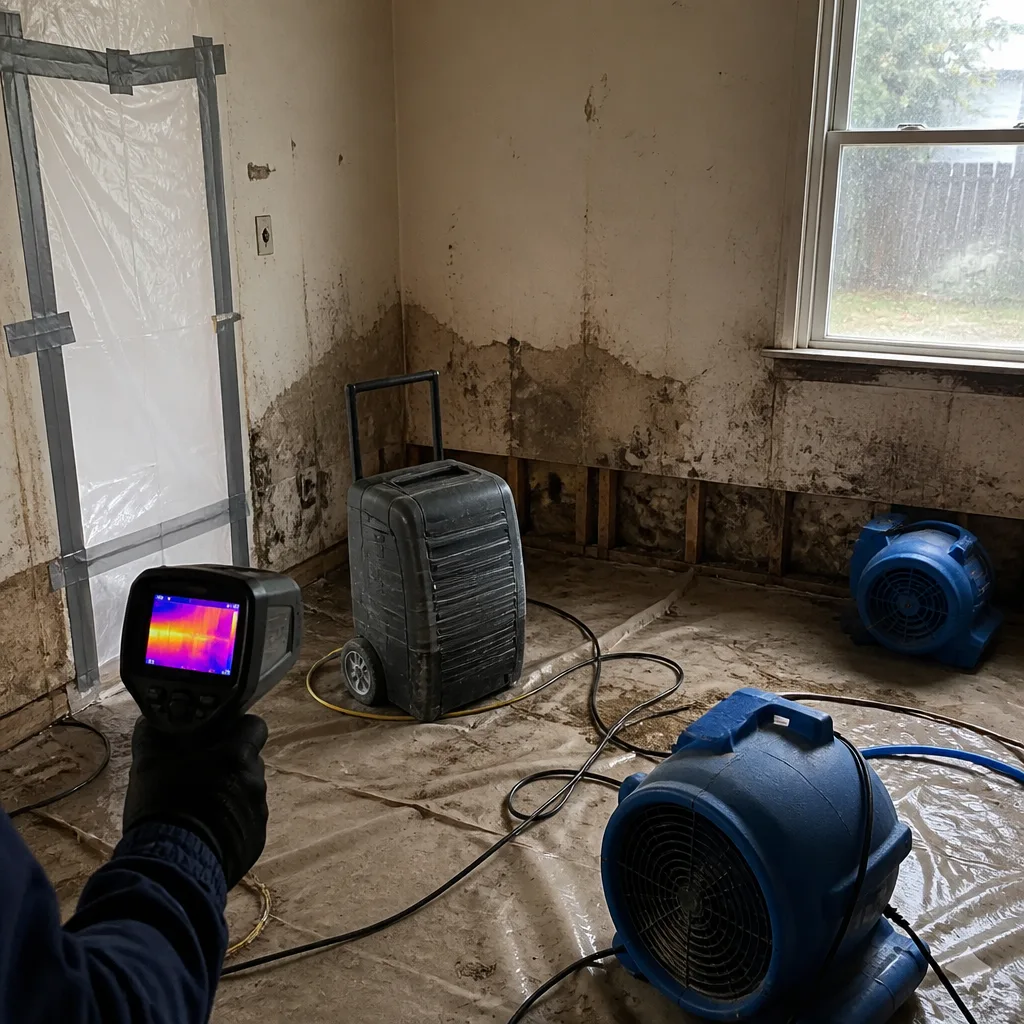 Before
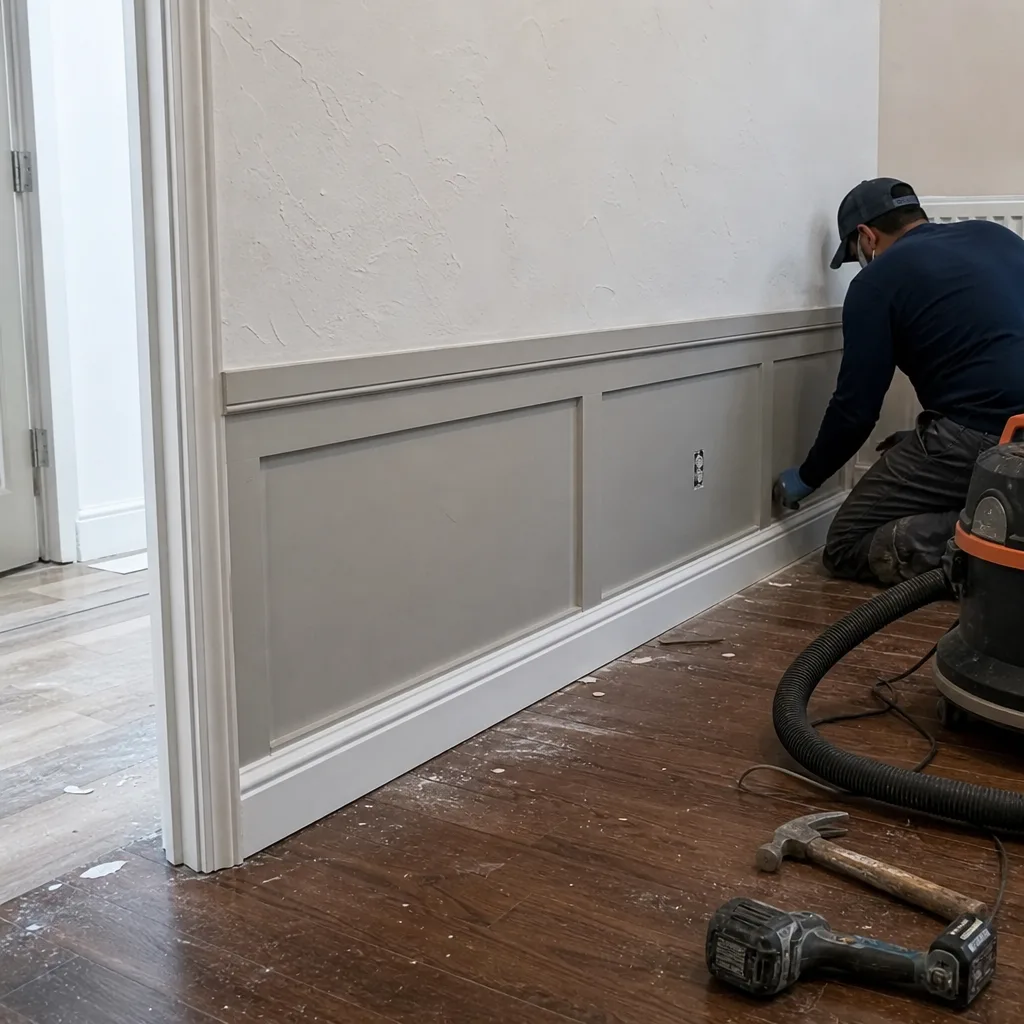 After
After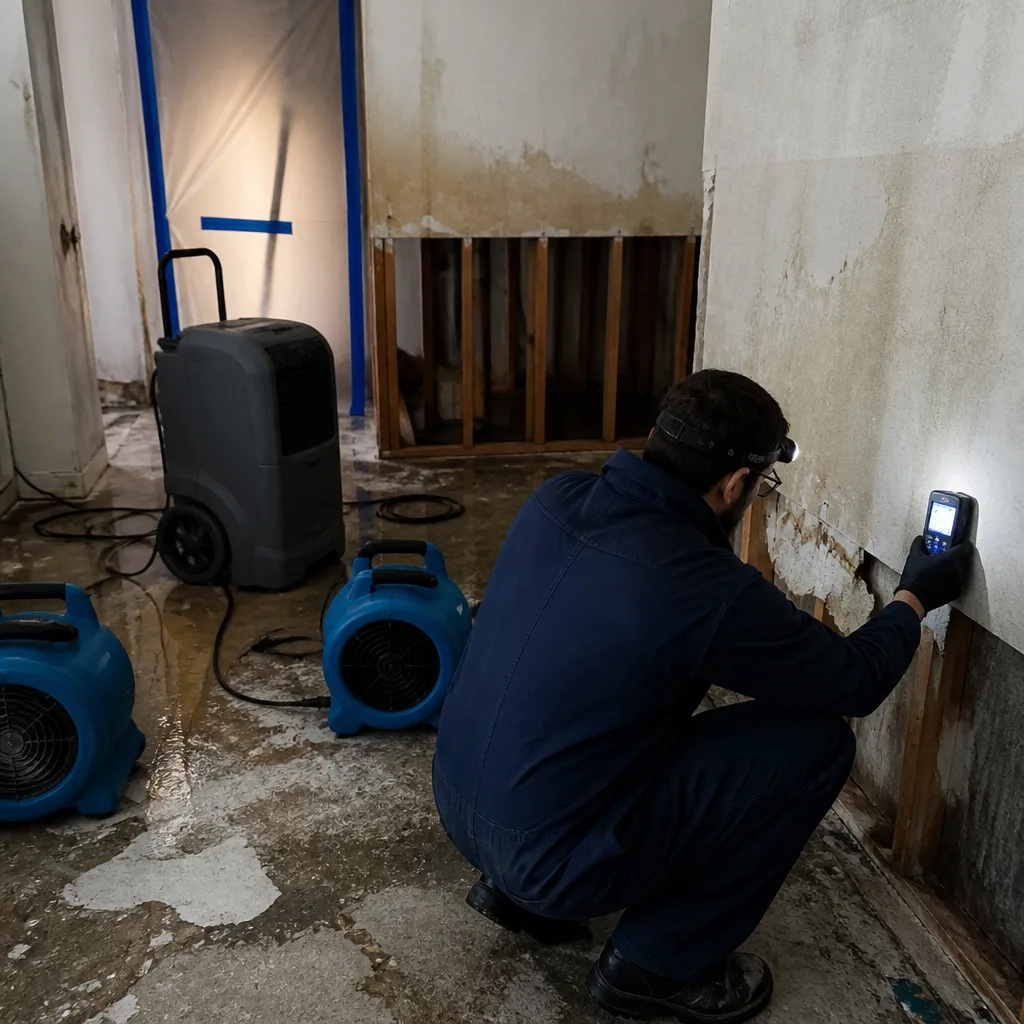 Before
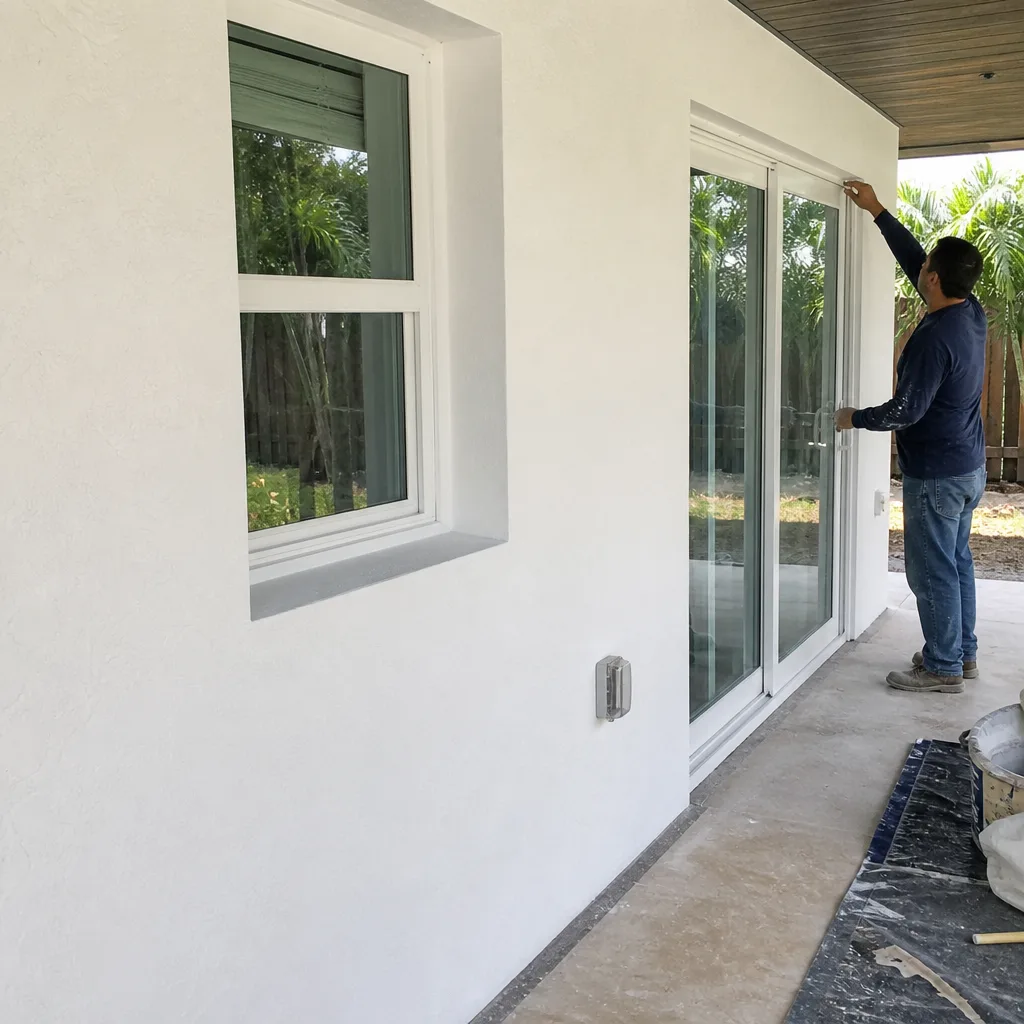 After
AfterWater Damage Restoration Maintenance Checklist for Fort Lauderdale Homeowners
When a Fort Lauderdale homeowner files a water damage claim, the first question an adjuster asks is not “how bad is the damage?” - it is “what was the pre-loss condition of this material?” Without a documented maintenance record, that question has no defensible answer. We’ve seen claims reduced by thousands because a homeowner could not prove that stained baseboards predated the pipe burst, or that attic insulation was dry before the tropical storm. This guide, along with The Complete Guide to Damage Restoration in Fort Lauderdale, replaces vague seasonal reminders with documented inspection data you can actually hand to an adjuster. You’ll learn how to record baseline moisture readings, photograph pre-existing conditions, and maintain a log formatted the way claims files are organized.
Quick Answer
A water damage restoration maintenance checklist for Fort Lauderdale homeowners should include quarterly moisture readings of drywall (baseline 8-12%), subfloor (12-14%), and framing (10-14%); monthly AC condensate line flushing during humid season; annual flat-roof membrane inspection; and photo documentation of exterior grading, soffit vents, and attic insulation with date stamps. These records establish pre-loss condition benchmarks that protect your claim value if water damage occurs.
Table of Contents
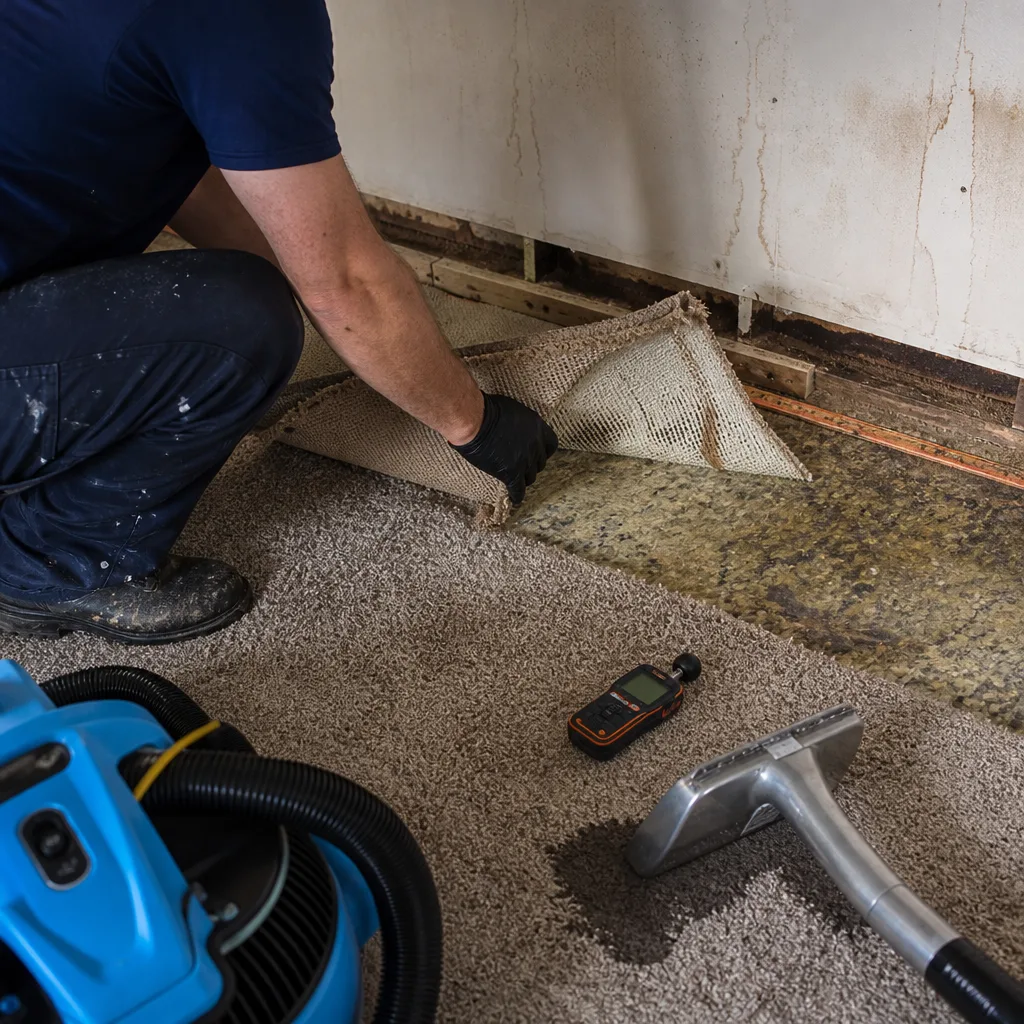
- Why Documentation Beats Checklists
- How to Record Baseline Moisture Content Readings
- Fort Lauderdale Climate-Specific Maintenance Intervals
- Slab Foundation Plumbing Inspection Protocol
- Photo Documentation System for Pre-Existing Conditions
- Inspection Log Template for Homeowners
- Common Mistakes to Avoid
- When to Call a Professional
- Frequently Asked Questions
 Before
 After
AfterWhy Documentation Beats Checklists
Most water damage checklists fail at their single most important job: producing evidence. A checkbox next to “inspect roof” means nothing to an insurance adjuster six months after a hurricane. A dated photo of the flat roof membrane with a moisture meter reading of 12.3% on the decking below - that means everything.
We’ve restored over 12,000 homes since 2011, and the pattern is consistent. Homeowners who receive full claim payments are not the ones who maintained the most diligently. They are the ones who maintained the most documentably. The documentation gap is what costs homeowners their claims, and it is why Back to Dry Restoration was built around written scopes, photo records, and daily drying logs from the start.
A usable maintenance program has three outputs:
- A baseline moisture reading for every porous material in the home, recorded before any loss occurs
- A dated photo record of conditions that could be mistaken for water damage - stains, prior repairs, settlement cracks
- A written inspection log with inspector name, date, findings, and next scheduled check
These three outputs mirror exactly what we produce on every Water Damage Restoration in Fort Lauderdale job: moisture logs, photo documentation, and a written scope signed before work begins under Haven Standard, Clause 1. Your maintenance records and our restoration records should speak the same language so an adjuster can connect them without confusion.
The alternative is familiar. Water stains appear on a ceiling after a tropical storm. The adjuster asks: “Was this brown ring here before the storm?” Without a photo, you are negotiating from weakness. With a photo dated March 14 showing the same ring next to a tape measure for scale, you are stating a fact.
How to Record Baseline Moisture Content Readings
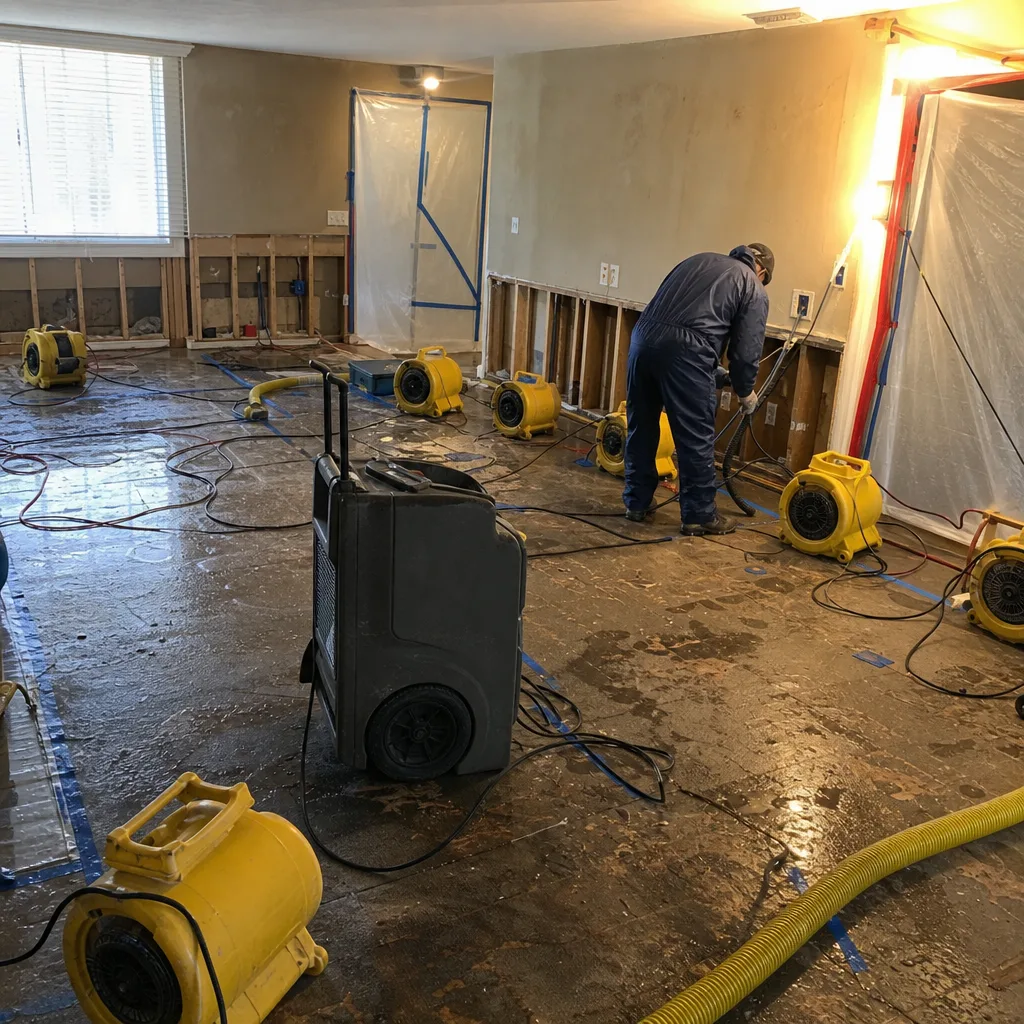
Moisture content is expressed as a percentage of the material’s dry weight. Every building material has a normal equilibrium moisture content (EMC) range based on local humidity. In Fort Lauderdale, where annual relative humidity averages 75%, these ranges run higher than in drier climates. Recording your baseline EMC creates a benchmark that proves whether post-loss readings represent damage or normal conditions.
Materials and Target Ranges for South Florida
| Material | Normal Range (Fort Lauderdale) | Reading Location | Tool Needed |
|---|---|---|---|
| Drywall (interior, conditioned space) | 8-12% | Mid-wall, 48″ from floor, away from windows | Pin-type moisture meter |
| Plywood subfloor | 12-14% | Center of room, away from plumbing walls | Pin-type moisture meter with insulated pins |
| Framing lumber (interior) | 10-14% | Stud bay center, multiple rooms | Pin-type moisture meter with 2″ pins |
| Concrete slab (surface) | 3-5% (relative scale) | Multiple points, 24″ from walls | Calcium chloride test or relative humidity probe |
| Attic sheathing | 14-18% | Multiple rafter bays, north and south slopes | Pin-type moisture meter with 2″ pins |
Step-by-Step Recording Protocol
- Calibrate your meter. Pin-type moisture meters from brands like Delmhorst or Protimeter should be calibrated annually against a known reference standard. Record the calibration date in your log.
- Choose representative locations. Take readings in at least three rooms per floor, avoiding exterior walls, plumbing chases, and windows. Mark each location with a small pencil mark or removable sticker for future consistency.
- Record at consistent depth. For drywall, insert pins to full depth (typically 5/16″). For subfloor, use insulated pins to read only the subfloor layer, not the finish flooring above.
- Document immediately. Record the reading, room location, wall orientation, height from floor, date, time, and meter model. A reading of “11.2%” means nothing without context.
- Store with photo evidence. Photograph the meter display at each reading location with a date stamp. Include a photo of the room corner showing which wall was tested.
In Victoria Park and Rio Vista, we’ve found that homes built between 1950 and 1980 often have plaster-over-wire-lath instead of drywall. Plaster EMC runs 1-2 percentage points lower than drywall, so record the material type explicitly. An adjuster who sees a 14% reading on “drywall” will flag it as elevated; on “plaster,” it is normal.
The psychrometric data - temperature, relative humidity, and vapor pressure differential at the time of reading - should be recorded if your meter captures it. Vapor pressure differential measures the force driving moisture through materials. In Fort Lauderdale’s climate, a negative vapor pressure differential during summer (interior AC cooling below exterior dew point) is normal and expected. Record it so post-loss readings can be compared under similar conditions.
Fort Lauderdale Climate-Specific Maintenance Intervals
Fort Lauderdale’s climate creates water intrusion risks that maintenance schedules from other regions simply do not address. The combination of high year-round humidity, intense summer rainfall, flat-roof prevalence in mid-century construction, and hurricane exposure requires inspection intervals calibrated to local failure modes.
AC Condensate Lines: Monthly During Humid Season (May-October)
Air conditioning in Fort Lauderdale runs 2,800+ hours annually. Condensate production exceeds what northern systems handle, and the constant flow accelerates biofilm buildup in drain lines. A clogged condensate line does not drip politely - it dumps 5-20 gallons daily into wall cavities or ceilings.
Monthly maintenance:
- Pour 1 cup white vinegar through the access port, followed by 2 cups hot water after 30 minutes
- Verify flow at the exterior termination - in Coral Ridge and Las Olas Isles, this is often a soffit or wall penetration, not ground-level
- Check the secondary drain pan float switch by lifting the float manually; the system should shut down
- Photograph the pan condition and drain termination; date-stamp the image
Failure mode we’ve documented: In Harbor Beach, a 2019-built home with a high-velocity AC system produced condensate faster than the 3/4″ drain line could carry. The line appeared clear but was hydraulically undersized. Only flow-rate measurement, not visual inspection, revealed the problem. If your system runs continuously in July and August, measure actual flow volume, not just “draining.”
Flat Roof Membranes: Annual Inspection, Post-Storm After Any Event
Flat roofs dominate Fort Lauderdale’s commercial buildings and appear on many mid-century homes in neighborhoods like Poinsettia Heights and Sunrise Key. They fail differently than pitched roofs - water ponds rather than runs off, and membrane seams are the critical vulnerability.
Annual inspection protocol:
- Walk the roof after 48 hours without rain. Mark ponding areas with chalk; photograph with date stamp and measuring tape showing water depth
- Inspect membrane seams at 10-foot intervals, focusing on penetrations (vents, HVAC curbs, drains)
- Check scupper and drain grates for debris; Fort Lauderdale’s royal poinciana and gumbo limbo trees shed heavily in spring
- Examine the interior side of parapet walls for staining, which indicates membrane termination failure
Post-hurricane: Any sustained winds above 45 mph warrant a dedicated inspection. Membrane uplift begins at corners and edges; a 6″ bubble at the perimeter can become a 20-foot tear in the next storm. Photograph all findings before and after any temporary repairs.
Hurricane-Rated Window and Door Seals: Annual, Pre-Season (May 1)
Impact-rated windows and doors in Fort Lauderdale homes are tested to ASTM E1886 and E1996 standards, but the installation sealant is not. We’ve found that silicone sealant at window perimeters degrades faster in UV exposure than the glass or frame.
Annual check:
- Visually inspect exterior sealant beads for cracking, separation, or discoloration
- Operate each window and door; resistance or binding indicates frame movement that has compromised the seal
- Check weep holes at sill tracks for blockage; Fort Lauderdale’s pollen and salt air clog these rapidly
- Photograph each elevation’s sealant condition with date stamp
In Lauderdale-by-the-Sea and beachfront Fort Lauderdale, salt spray accelerates sealant degradation. Inspect every six months, not annually. The failure mode is not the window leaking during a hurricane - it is slow intrusion during every afternoon thunderstorm that saturates the framing over years.
Exterior Grading and Drainage: Quarterly
South Florida’s flat topography means water does not drain away naturally. Homes in Riverland, Dorsey-Riverbend, and other western Fort Lauderdale neighborhoods often sit at or below street level during heavy rain events.
Quarterly documentation:
- Photograph the soil line at the foundation from each corner, with a level showing grade slope
- Record standing water duration after rain: “Water pooled at northeast corner for 4 hours after 2″ rainfall on [date]”
- Check French drain or area drain outlets for flow; photograph outlet condition
- Document any neighbor drainage modifications that affect your property
Slab Foundation Plumbing Inspection Protocol
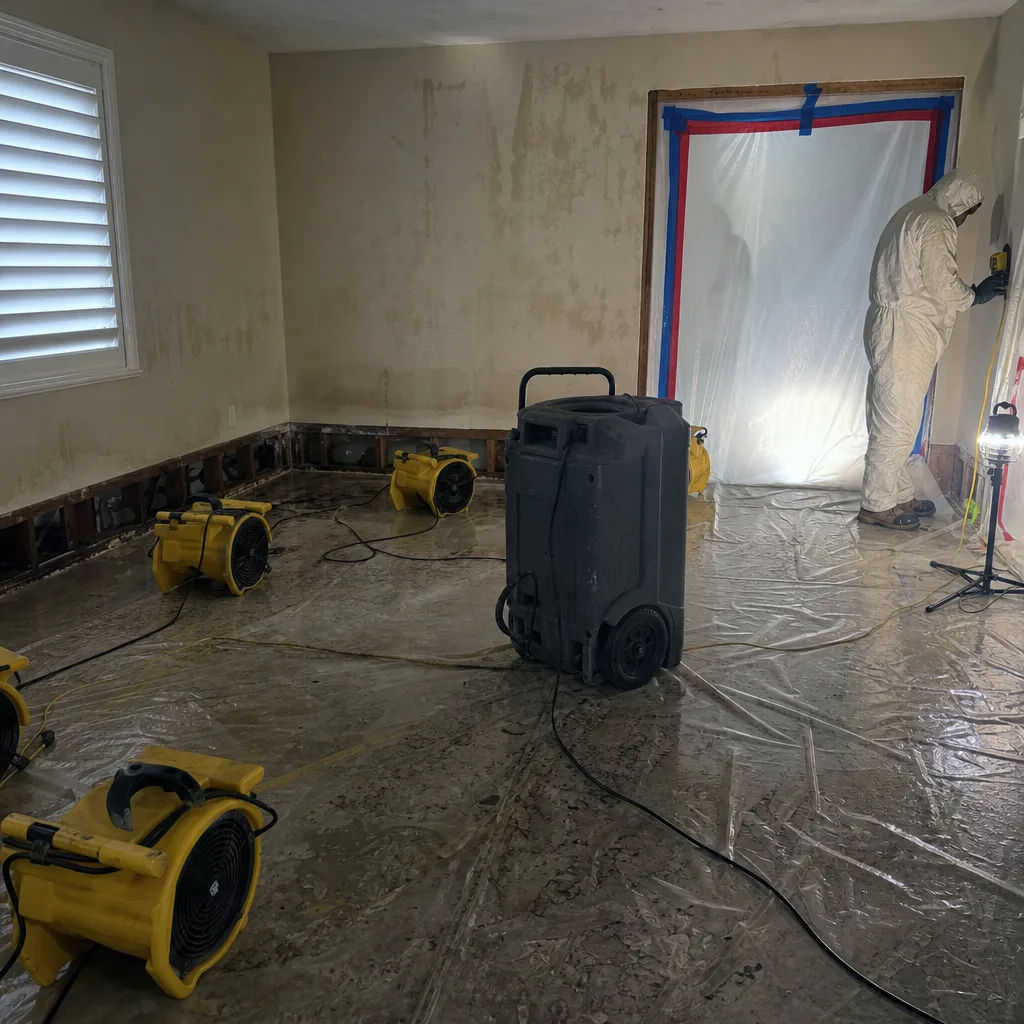
Fort Lauderdale’s limestone substrate creates a fundamentally different plumbing risk profile than areas with clay or sandy soils. Limestone is porous and fractured, so slab leaks do not pool visibly - they drain downward into the bedrock, sometimes for months before any interior sign appears. By then, the soil consolidation has already begun.
Above-ground supply lines fail visibly: a pinhole in a copper line sprays, a PEX fitting weeps, you see the damage. Slab leaks fail invisibly: warm-water lines create subtle thermal patterns, sewer lines create slow soil settlement. The inspection protocol must account for this asymmetry.
Annual Slab-Specific Inspection
- Water meter flow test. Turn off all fixtures, note the meter reading, wait 2 hours without water use. Any movement indicates a leak. In Fort Lauderdale’s hard water environment, meter turbines can stick; perform the test twice, once with a brief flow to free the turbine.
- Thermal scan of slab perimeter. Use an infrared thermometer or thermal camera to scan baseboard and floor surface temperatures. A 3-5°F warm strip along a wall indicates a hot-water slab leak. Document with photo and temperature readings.
- Floor elevation survey. Use a laser level or water level to check for slab deflection. Record elevation at 10 points per room, focusing on areas near plumbing walls. A 1/4″ variation over 10 feet warrants professional evaluation.
- Sewer line camera inspection. Every 3-5 years, or immediately if any drain slows. Fort Lauderdale’s older neighborhoods have cast-iron sewer lines that fail from the inside out; a camera shows the actual pipe wall condition, not just flow.
We’ve documented slab leaks in Coral Ridge Country Club homes that ran for eight months before any interior sign. The homeowner’s maintenance log showed no floor elevation data, no thermal readings, no meter tests. The insurance position was that the damage was long-term and therefore excluded. A simple annual meter test would have established the leak’s start date.
The Haven Standard approach to documentation applies here: what you cannot prove, you cannot claim. A written record of annual meter tests with dates and readings is admissible evidence. Memory is not.
Photo Documentation System for Pre-Existing Conditions
Pre-existing condition documentation is the single most overlooked element of homeowner maintenance records. Adjusters are trained to distinguish storm damage from prior conditions. Your job is to make that distinction obvious.
What to Photograph and How
| Location/Feature | Photo Standard | Frequency | Storage |
|---|---|---|---|
| Exterior grading at all corners | Wide shot with level visible, close-up of soil-foundation interface | Quarterly | Cloud folder: YYYY-MM-DD_Grading |
| Soffit vents (all elevations) | Close-up of vent condition, wide shot of soffit line | Annual | Cloud folder: YYYY-MM-DD_Soffits |
| Attic insulation | General layout, close-up of any compression or staining | Annual | Cloud folder: YYYY-MM-DD_Attic |
| Ceiling stains or repairs | Overall room, close-up with tape measure for scale, flash from multiple angles | At occurrence + annual | Cloud folder: YYYY-MM-DD_CeilingStains |
| Baseboard and flooring at plumbing walls | Full wall length, close-up of any swelling or discoloration | Annual | Cloud folder: YYYY-MM-DD_Flooring |
| Window and door sealant | Full frame, close-up of sealant bead | Annual (semi-annual coastal) | Cloud folder: YYYY-MM-DD_Sealant |
| HVAC condensate pan and drain | Pan condition, drain termination, float switch | Monthly (humid season) | Cloud folder: YYYY-MM-DD_HVAC |
Photo Metadata Standards
Every photo must contain:
- Date stamp embedded in image. Enable camera date stamp or use an app that burns it in. EXIF data alone is easily altered and less credible.
- Location identifier in filename. “2024-03-15_MasterBedroom_NorthWall_Baseboard.jpg” not “IMG_2847.jpg”
- Scale reference where relevant. A tape measure or known-size object (coin, ruler) in frame for stains, cracks, or damage
- Written description in log. The photo alone is not enough; the log entry ties it to the inspection context
In our DryMark Restoration Fort Lauderdale home work, we produce 150-400 photos per job, each with a standardized filename and embedded in the drying log. Your maintenance photos should follow the same convention so they integrate seamlessly with professional documentation if a loss occurs.
Critical Fort Lauderdale-specific detail: photograph your soffit vents before and after each hurricane season. Wind-driven rain in Fort Lauderdale’s summer storms enters through deteriorated soffit vents, saturating attic insulation. Post-storm, adjusters frequently attribute attic moisture to “long-term condensation” rather than storm intrusion. A June 1 photo showing dry insulation and intact vents, compared to a September 15 photo showing water-stained insulation and displaced vents, makes the causal chain clear.
Inspection Log Template for Homeowners
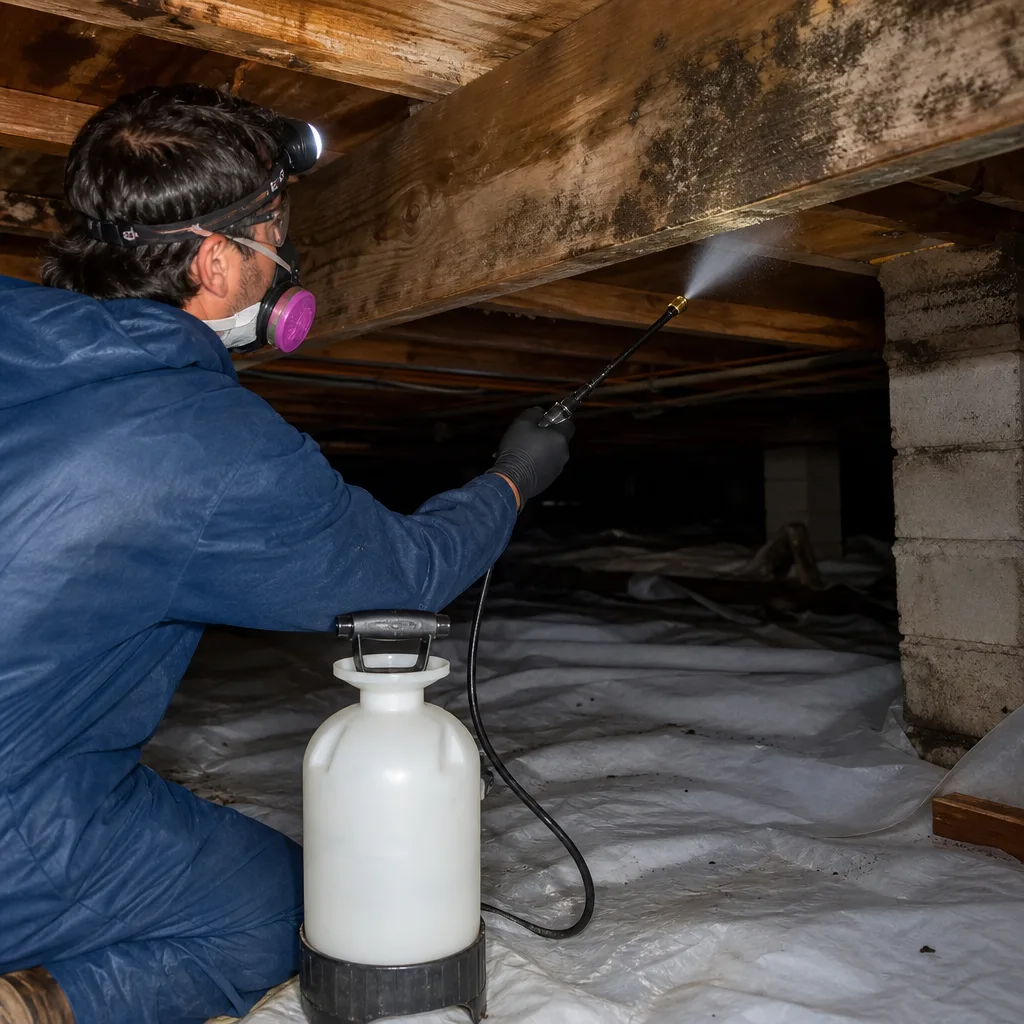
The inspection log is your maintenance program’s central document. Format it the way claims files are organized: chronological, with each entry containing all information needed to reconstruct the inspection without memory.
Log Entry Format
| Field | Content Standard | Example |
|---|---|---|
| Inspection Date | YYYY-MM-DD | 2024-03-15 |
| Inspector Name | Full name, relationship to property | James Chen, homeowner |
| Weather Conditions | Temperature, RH, recent rainfall | 78°F, 68% RH, 0.3″ rain 48 hrs prior |
| Areas Inspected | Room/location list | Master bedroom, hall bath, attic, NE exterior |
| Moisture Readings | Material, location, reading, meter model | Drywall, MB north wall, 48″, 10.2%, Delmhorst BD-2100 |
| Photos Taken | Filename list or count | 12 photos: 2024-03-15_MB_001 through 012 |
| Findings | Observations, no interpretation | “Brown stain 3″ diameter, ceiling northwest corner, present since purchase” |
| Actions Taken | Maintenance performed | “Flushed AC condensate line, verified flow at soffit termination” |
| Next Scheduled Check | Date and focus area | 2024-06-15: focus on flat roof post-hurricane season |
Physical vs. Digital Storage
We recommend both. A cloud-based spreadsheet (Google Sheets, Airtable) with photo links enables quick searching. A printed binder with dated entries, stored in a fire-resistant document box, ensures access if digital systems fail during a disaster.
The printed binder should include:
- A property sketch with inspection location codes (A1, A2, B1, etc.)
- Equipment calibration records
- Contractor invoices for any maintenance or repairs, stapled to the relevant log entry
- Insurance policy declarations page and agent contact
Fort Lauderdale’s hurricane risk makes off-island digital backup essential. A homeowner in Imperial Point who keeps records only on a local computer has no documentation if storm surge takes the computer. We recommend automatic cloud sync to a service with versioning (Google Drive, Dropbox, OneDrive) plus annual export to a USB drive stored outside the home.
The log’s value compounds over time. A 2019 entry showing a dry attic, a 2021 entry showing intact soffit vents, a 2023 entry showing normal moisture readings - this sequence establishes condition history that no single post-loss inspection can contradict. In our experience with Mold Remediation in Fort Lauderdale, the most disputed claims involve mold that may or may not predate the reported water event. A maintenance log with dated moisture readings and attic photos is often the decisive evidence.
Common Mistakes to Avoid
- Relying on memory instead of written records. An adjuster will not accept “I’m pretty sure that stain was there before.” A dated photo with a tape measure for scale is evidence; memory is negotiation.
- Using a single moisture reading without context. “14%” on drywall means nothing without knowing the material, location, meter type, and ambient conditions. Always record the full context.
- Inspecting only after problems appear. In Fort Lauderdale’s climate, by the time you see mold on drywall, the framing behind has been wet for 30-60 days. Baseline readings catch elevation before visible damage.
- Ignoring the condensate line until water appears. The most common cause of interior water damage we see in Fort Lauderdale homes is not hurricanes or pipe bursts - it is clogged AC condensate lines. Monthly flushing during humid season prevents this.
- Photographing without scale or date stamps. A photo of a ceiling stain without a date or measuring reference cannot prove when it appeared or how large it was. Enable date stamps; include a ruler or coin.
- Storing records only in the home. Hurricane Ian and Idalia taught Fort Lauderdale homeowners that local-only records disappear with the property. Cloud backup and off-site physical copies are essential.
- Assuming slab leaks will show visibly. In limestone substrate, water drains away rather than pooling. The first sign is often foundation settlement or unexplained water bills, not wet floors.
When to Call a Professional
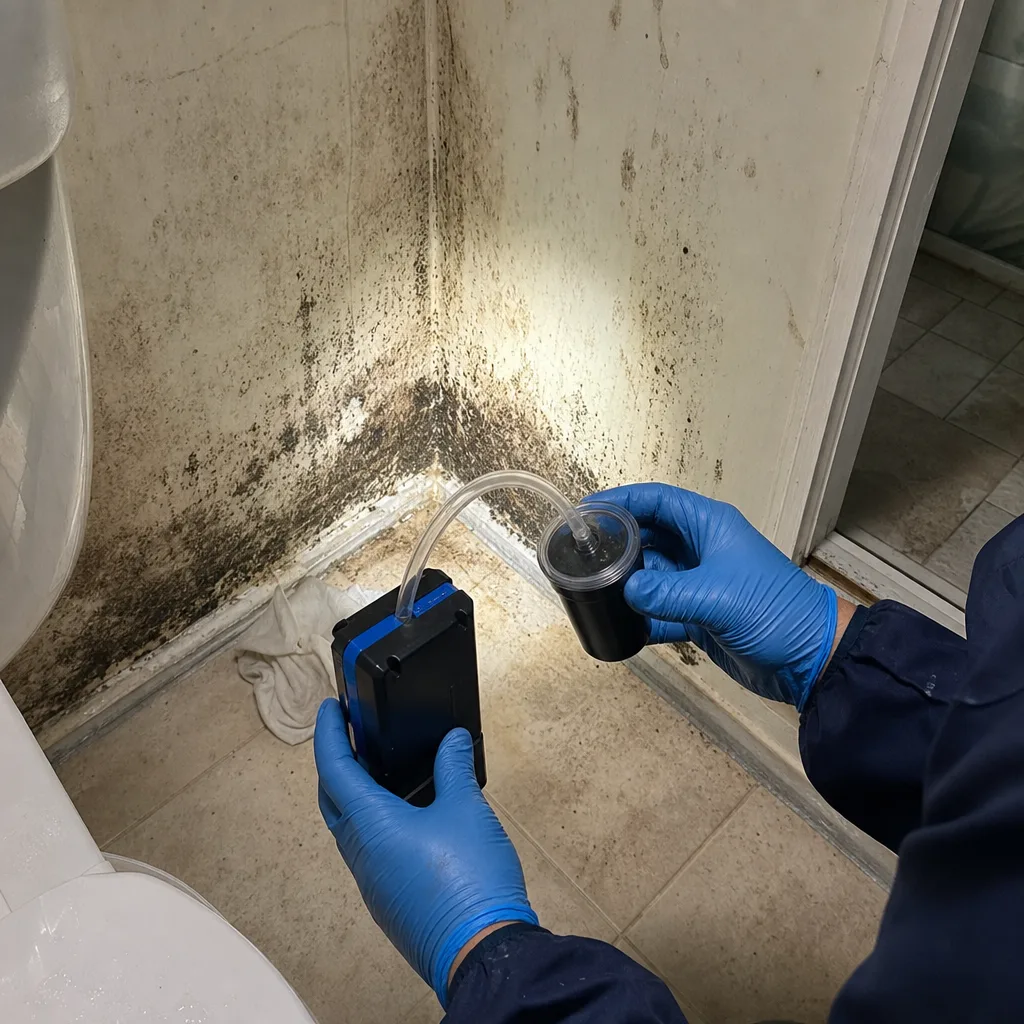
Some maintenance tasks belong to homeowners; others require licensed professionals with equipment and training that justify the cost. Call a professional when:
- Moisture readings exceed normal range by more than 4 percentage points at any location
- Thermal scanning reveals a temperature anomaly consistent with a slab leak
- Floor elevation varies more than 1/4″ over 10 feet
- Post-storm inspection reveals membrane damage, displaced soffit vents, or attic moisture
- Any drain line cannot be cleared with vinegar and hot water, or flow is visibly reduced
- You smell mustiness but cannot locate moisture - this often indicates hidden growth in wall cavities
Documentation does not replace professional intervention; it makes professional intervention more effective and more defensible. When you call with a maintenance log, moisture readings, and dated photos, the technician starts with facts rather than discovery. The scope is clearer, the estimate is firmer, and the claim file is stronger.
DryMark Restoration Fort Lauderdale offers free estimates in Fort Lauderdale - call (754) 254-1257. We provide a written price before any work starts, every time, with no exceptions under Haven Standard, Clause 1. Bring your maintenance log and photos; we’ll review them as part of our assessment at no charge. If you have a competitor’s written estimate, we offer a Free Second Opinion - we’ll review their scope and pricing against what your documentation actually shows.
Frequently Asked Questions
A quality pin-type moisture meter for homeowner use costs $150-$350. Delmhorst and Protimeter both make models with the accuracy needed for documentation. Avoid pinless (surface-scan) meters for baseline readings; they read too shallow and are affected by surface moisture. For slab and subfloor work, choose a model with insulated pins to read at depth without surface interference. Call (754) 254-1257 if you’d like guidance on interpreting readings - we’re happy to review your data at no charge.
Insurance may still cover the damage, but the claim value and coverage scope are often reduced without documentation. Adjusters use pre-loss condition to determine whether damage is from the reported event or pre-existing. Without records, you are negotiating from a position of uncertainty. With records, you state facts. The difference frequently amounts to thousands of dollars in covered repairs versus disputed exclusions. Our 12,000+ restorations since 2011 show that documented claims settle faster and at higher values.
In Fort Lauderdale’s climate, water moves rapidly through porous materials. Drywall wicks water upward at 1-2 inches per hour. Mold growth begins on wet drywall in 48-72 hours at 75°F and 70% relative humidity - conditions normal for Fort Lauderdale interiors. Subfloor saturation in a slab home can reach 4 feet from the source within 24 hours through capillary action in the concrete. Speed matters on mitigation; that’s why we maintain live phone coverage 24 hours a day, 7 days a week with no voicemail on emergency lines. For reconstruction and rebuild work, we scope, schedule, and price in writing like any professional remodel.
The answer depends on duration, material affected, and whether microbial growth is present. An AC leak caught within 24 hours, with no visible mold and Category 1 (clean) water, typically requires only professional drying to IICRC standards. A leak running for days, or any leak involving Category 2 or 3 water, requires full remediation with antimicrobial treatment and possible material removal. We document the category, duration, and moisture readings in a written scope before recommending any work - Haven Standard, Clause 1. Call (754) 254-1257 for an assessment; estimates are free.
At DryMark Restoration Fort Lauderdale, we coordinate directly with your adjuster as part of our standard service. Our daily drying logs, photo records, and written scopes are formatted specifically for claims review. We do not ask homeowners to translate technical findings to adjusters. Our documentation-first approach - daily moisture readings, photo records on every visit, and written scopes - produces the evidence adjusters need to approve payment without dispute. We also offer direct adjuster coordination and can review your policy’s coverage limits before work begins.
Record baseline readings annually in the same month, ideally before hurricane season begins. Update immediately after any significant weather event, plumbing repair, or HVAC work that could affect building envelope performance. If you add or remove interior humidity sources - a new whole-house dehumidifier, for example - re-establish baseline after 30 days of new conditions. The goal is comparability: post-loss readings must be compared to pre-loss readings taken under similar conditions to be meaningful.
The Bottom Line
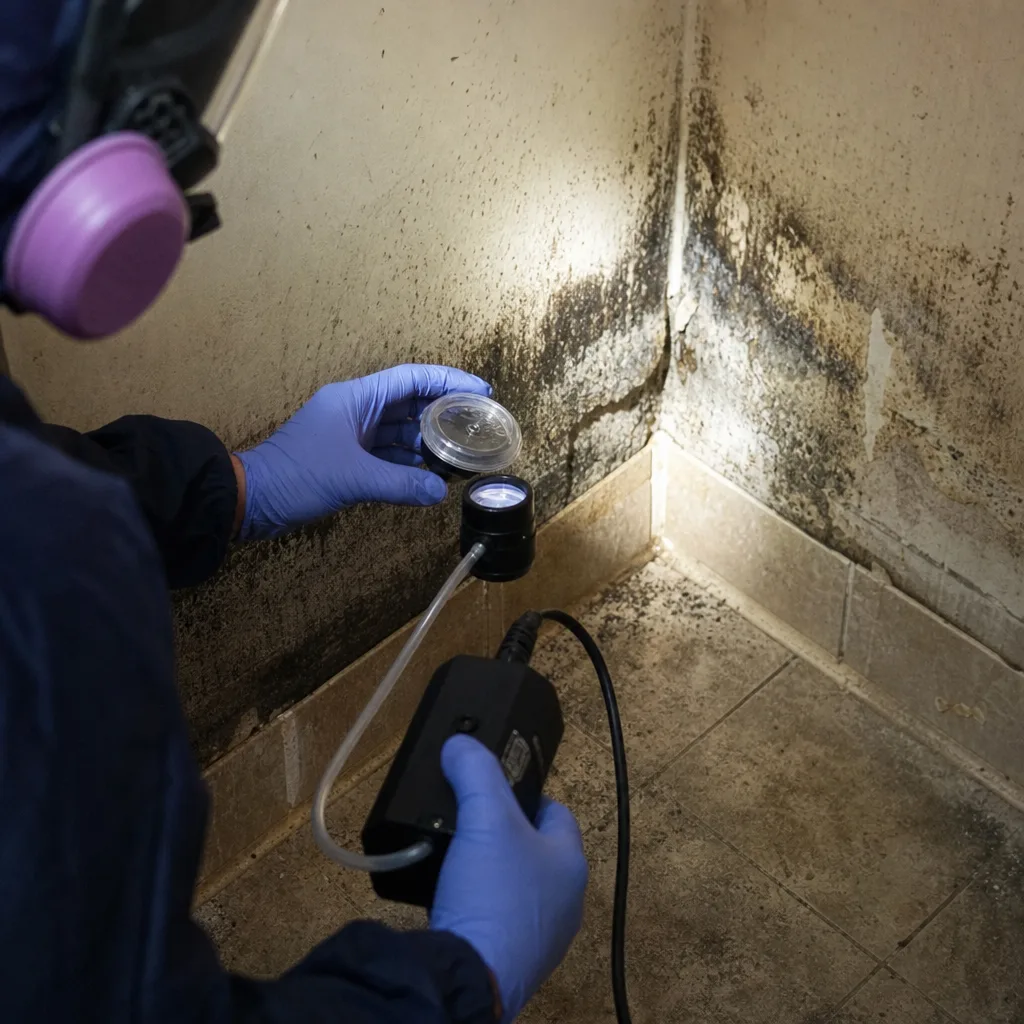
A water damage maintenance checklist only protects your home if it produces evidence an adjuster can evaluate. Baseline moisture readings, dated photos with scale references, and a written inspection log formatted like a claims file - these are the outputs that matter. In Fort Lauderdale’s climate of high humidity, intense rainfall, and hurricane exposure, the failure modes are specific and well-documented: AC condensate lines, flat roof membranes, window sealant degradation, and slab plumbing in limestone substrate. Address each with scheduled inspection, record the findings with precision, and store copies off-site. The documentation gap costs homeowners their claims; closed documentation, maintained annually, is the single most effective protection after the insurance policy itself. For additional guidance, explore more guides & resources on our blog.
Written by Alicia Brennan, Owner at DryMark Restoration Fort Lauderdale, serving Fort Lauderdale since 2011.