
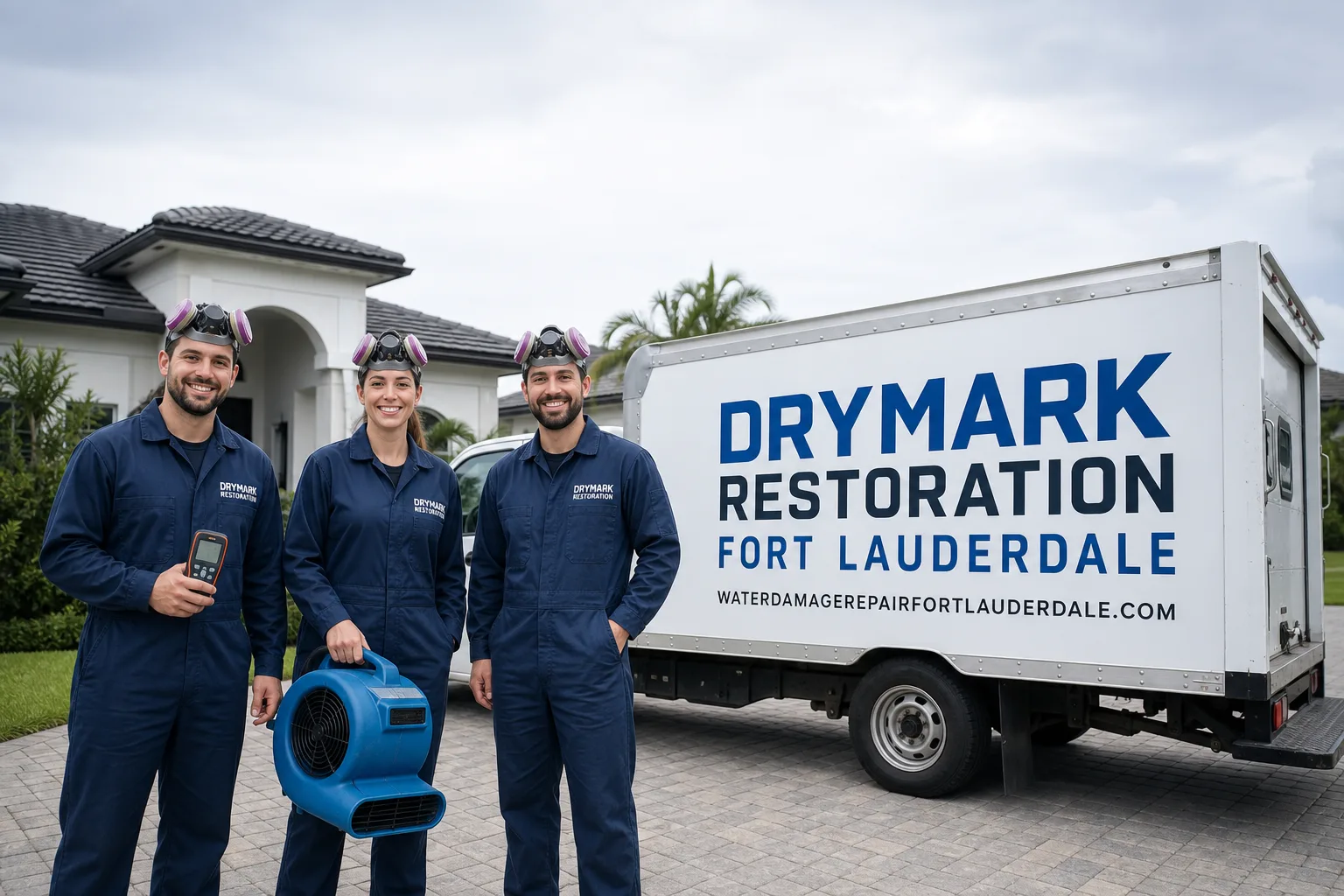
Free visual inspection and a written scope of work before any mitigation begins - photos, moisture readings, and drying logs go in your claim file
The scope we write is the scope we bill. Anything new gets shown to you, in writing, before we touch it.
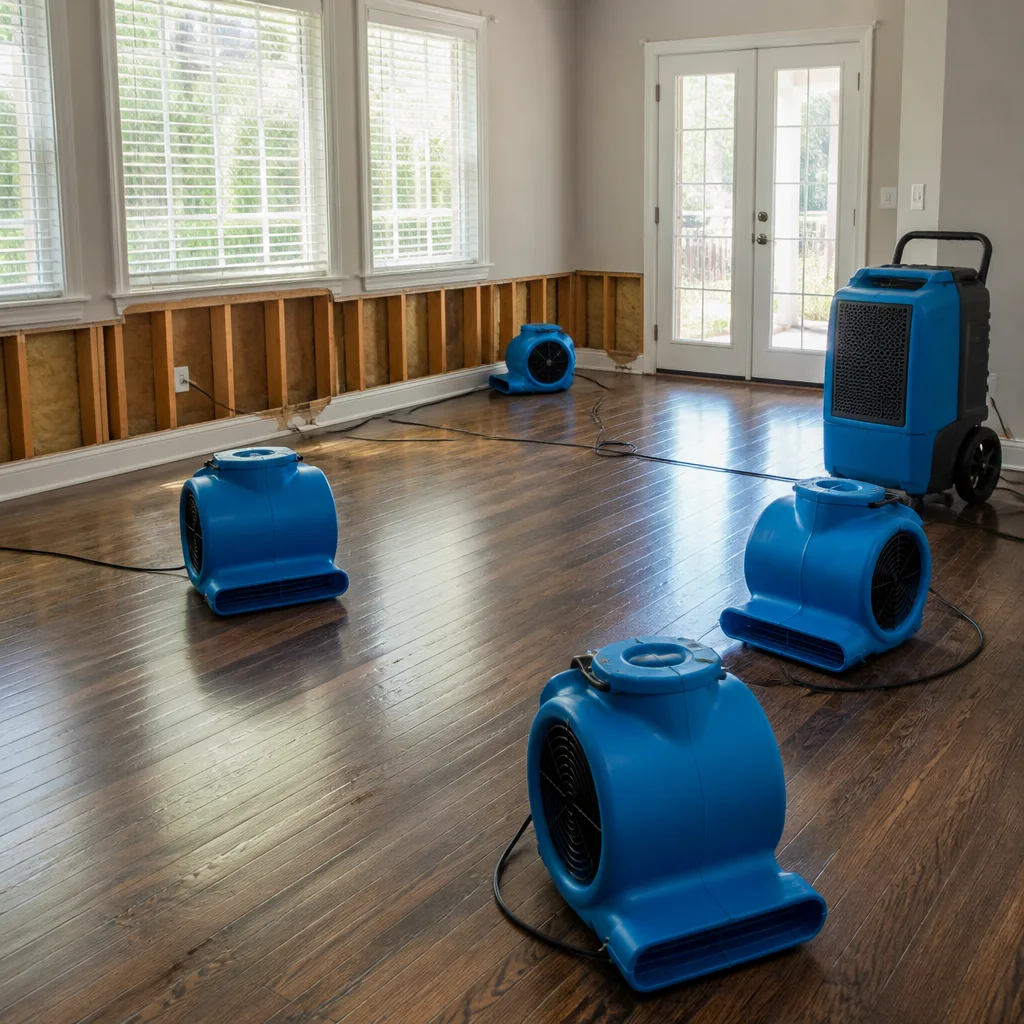
 Before
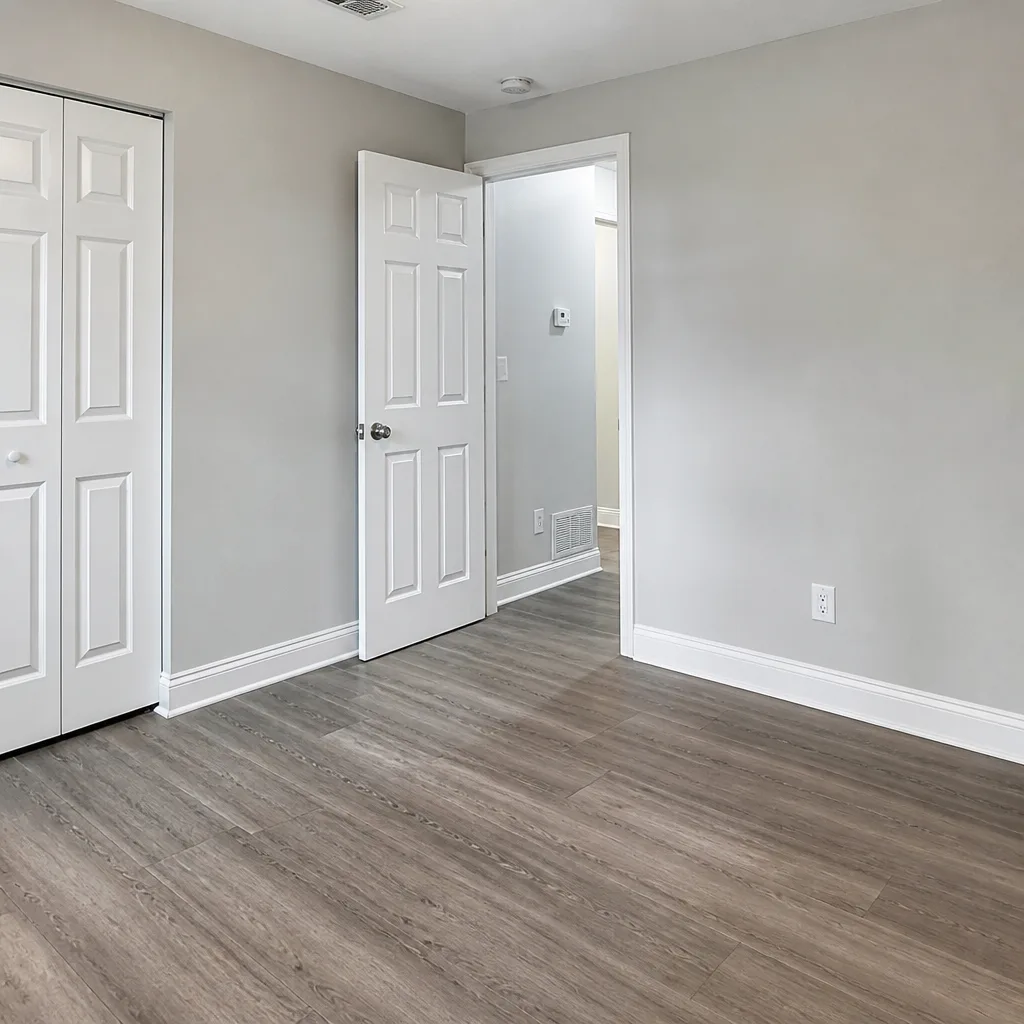 After
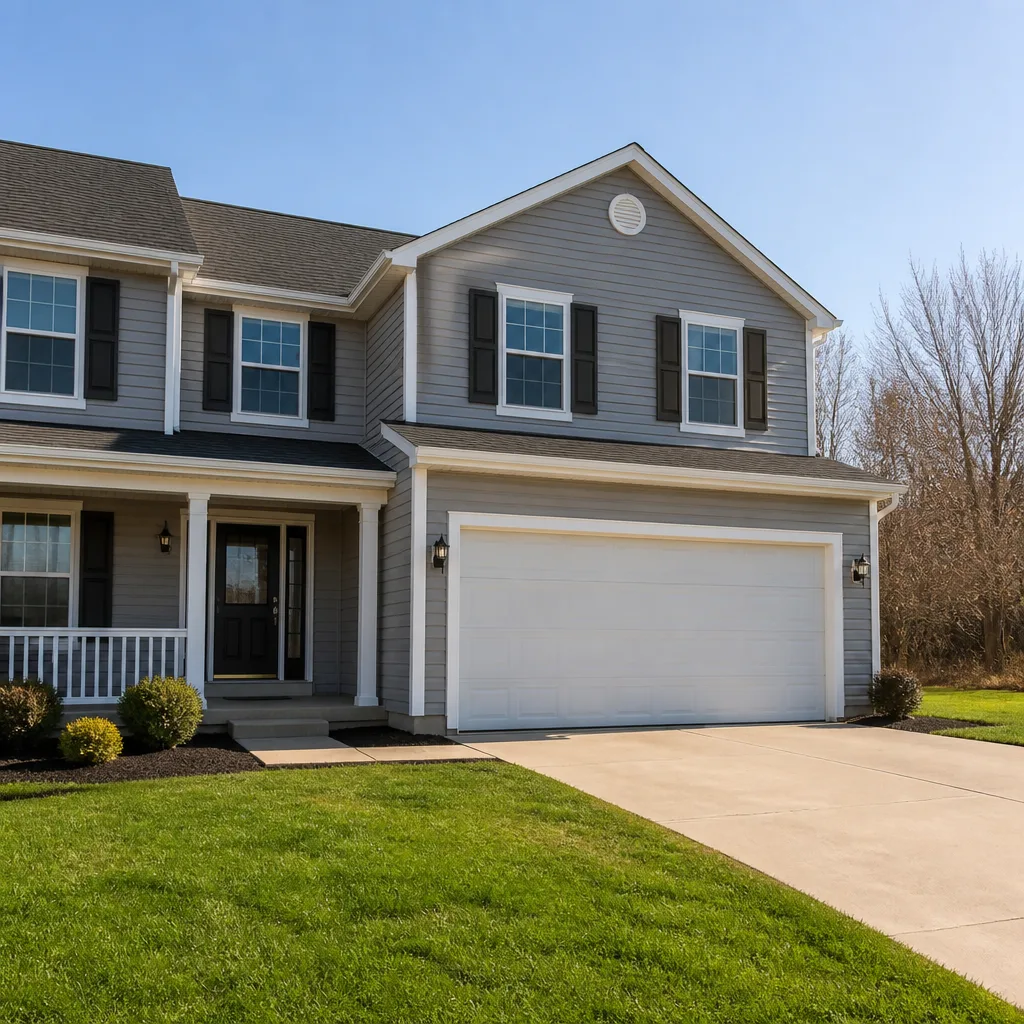
After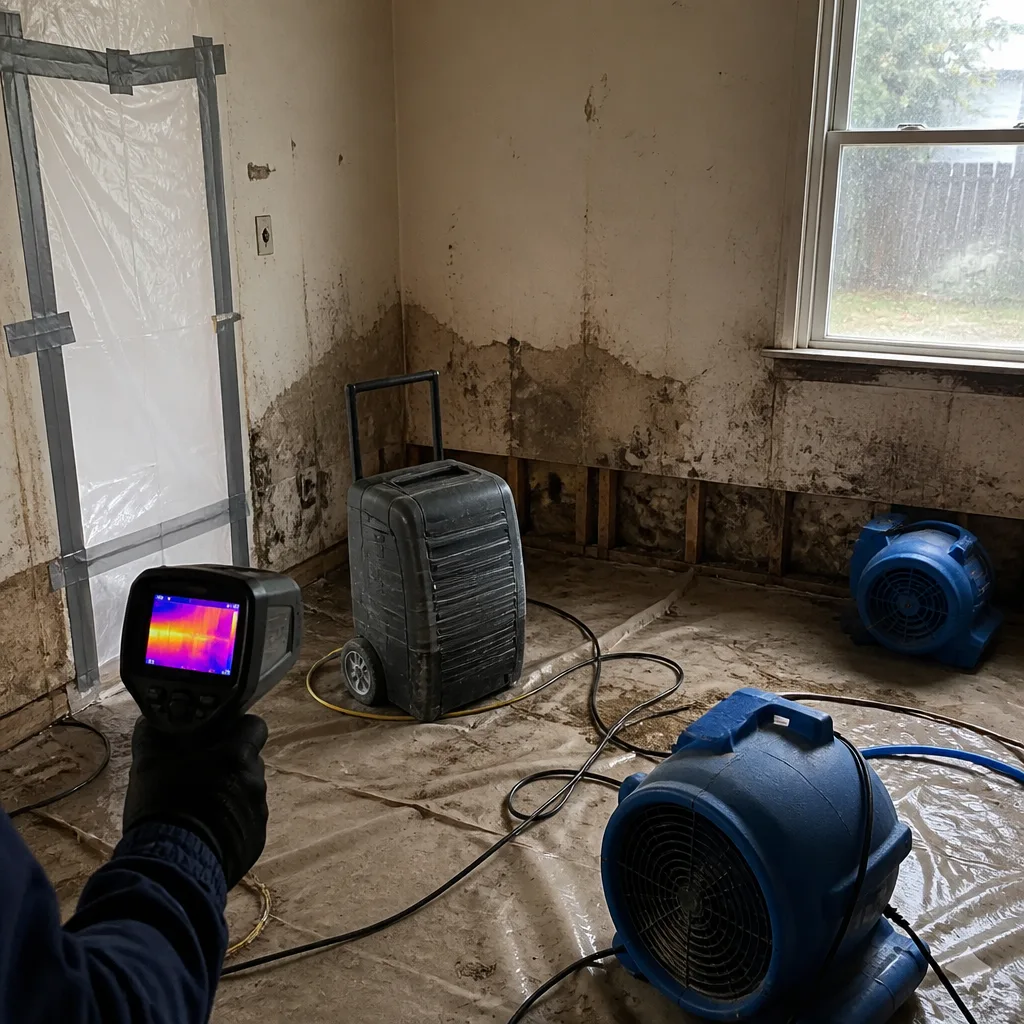 Before
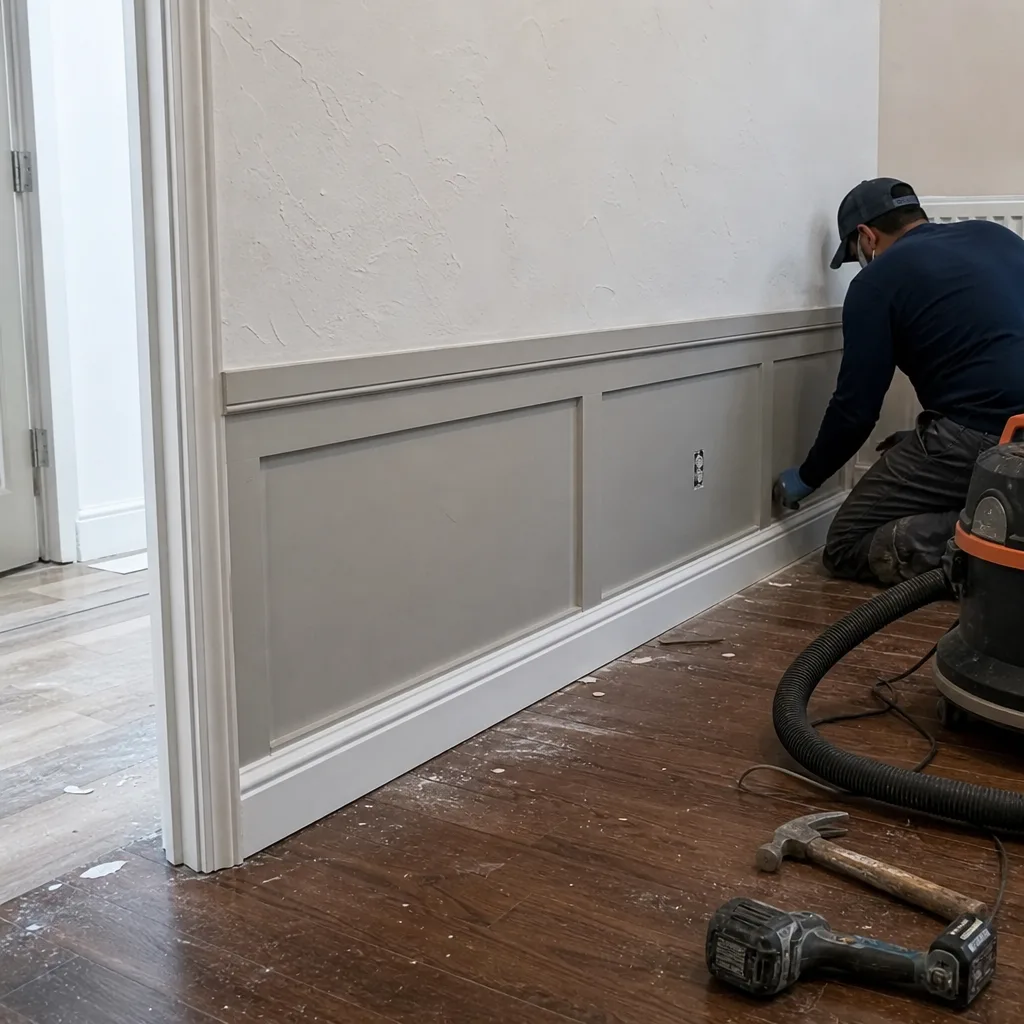 After
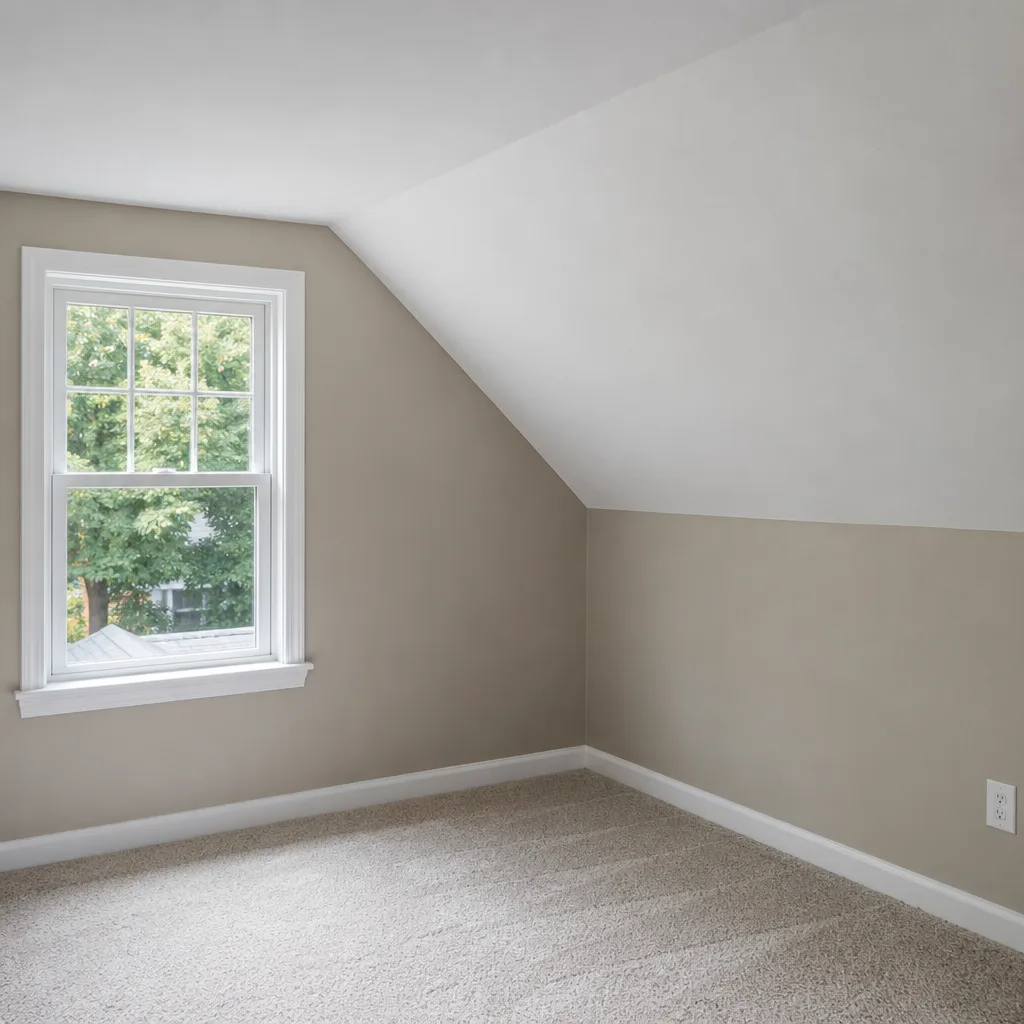
After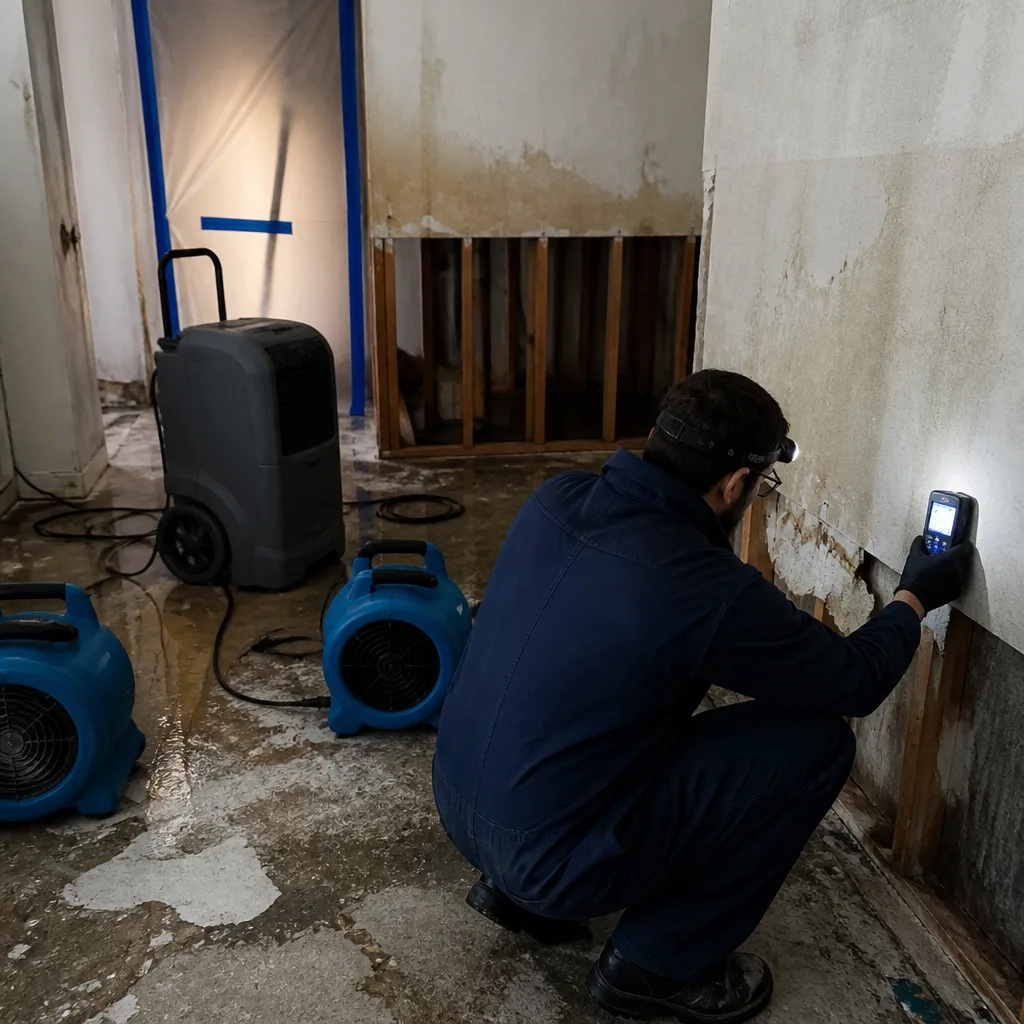 Before
 After
AfterFast, Reliable Water Damage Restoration Across Fort Lauderdale
Water damage restoration in Fort Lauderdale typically runs $2,800-$7,500 for a standard residential mitigation, with emergency extraction starting at $1,200-$2,400 and structural drying adding $1,600-$5,100 depending on square footage and material saturation. Most Fort Lauderdale homes we see need same-day extraction to prevent secondary damage in our marine-climate conditions.
We’re DryMark Restoration Fort Lauderdale, and we’ve spent years mapping moisture through the concrete-block ranches of Lauderdale Isles, the waterfront estates of Harbor Beach, and the canal-front streets of Las Olas Isles. Our crews dispatch from our South Florida coordination office with Dri-Eaz and Phoenix drying systems sized for Fort Lauderdale’s specific failure patterns: flat roofs that pool rain, seawalls that surge, and a water table so shallow that groundwater pushes up through slabs even when every window stays sealed. When you call (754) 254-1257, a live person answers - no voicemail, no callback queue - and we aim to have a crew on-site anywhere in Fort Lauderdale within 90 minutes.
Why DryMark Restoration Fort Lauderdale Is Fort Lauderdale’s Preferred Water Damage Restoration Company
Our reputation in Fort Lauderdale was built on documentation, not slogans. Homeowners here are savvy - they read the three-star reviews, they ask about IICRC standards, and they want to know exactly what their insurer will see before they sign anything. We deliver that. Every job gets a written price before work starts, a photo record on every visit, and daily moisture logs that adjusters recognize as claim-ready documentation.
We’ve restored over 12,000 homes since 2011, every one with that same written-price protocol. Our Fort Lauderdale customers specifically mention our multi-vector moisture assessments in reviews - the way we check roof, slab, and seawall entry points as standard practice, not as an upsell. Response time to Fort Lauderdale averages under 90 minutes for emergency calls, because we keep crews staged for the city’s unique geography: king-tide flooding on SE 17th Street, canal-surge events in Rio Vista, and the chronic slab wicking that hits Edgewood after any sustained rain.
Local knowledge matters here in ways it doesn’t inland. A crew that doesn’t understand hydrostatic pressure against a finger-island seawall, or the way salt-air corrosion compromises Class-A fire suppression systems in waterfront condos, will miss damage that shows up six months later as mold or structural failure. We document what we find, explain it in plain language, and put the drying protocol in writing before the first air mover starts.
Our Water Damage Restoration Services in Fort Lauderdale
Emergency Water Extraction
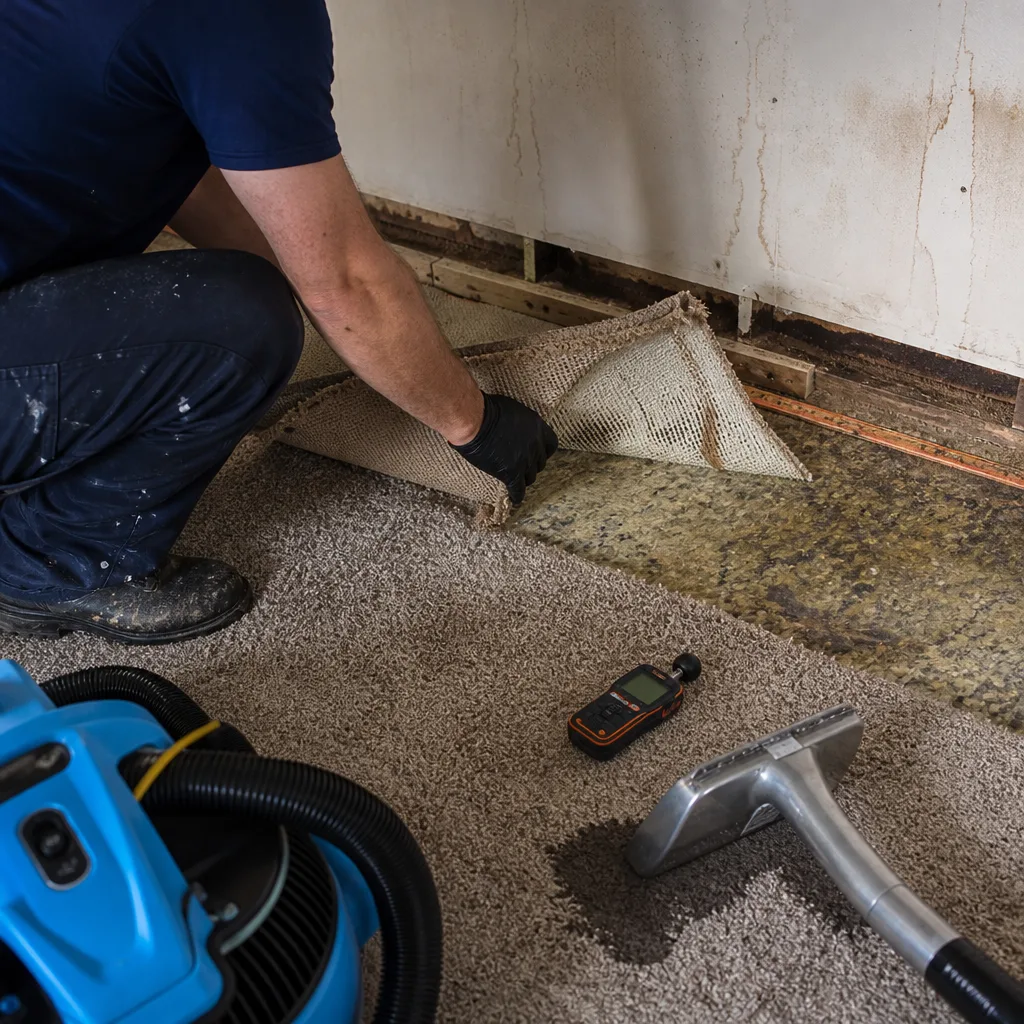
Fort Lauderdale’s shallow water table - two to five feet below grade in most neighborhoods - means water doesn’t stay where it lands. A roof breach in central Fort Lauderdale can saturate block cavities while simultaneously the slab pulls groundwater upward from below. Our extraction teams arrive with truck-mounted systems and portable submersibles sized for both standing floodwater and the slower seepage that follows king-tide events. We extract from hard surfaces, carpet, and the porous concrete common to 1950s-1970s CBS construction, then immediately begin moisture mapping to find the secondary sources competitors miss.
Structural Drying & Dehumidification
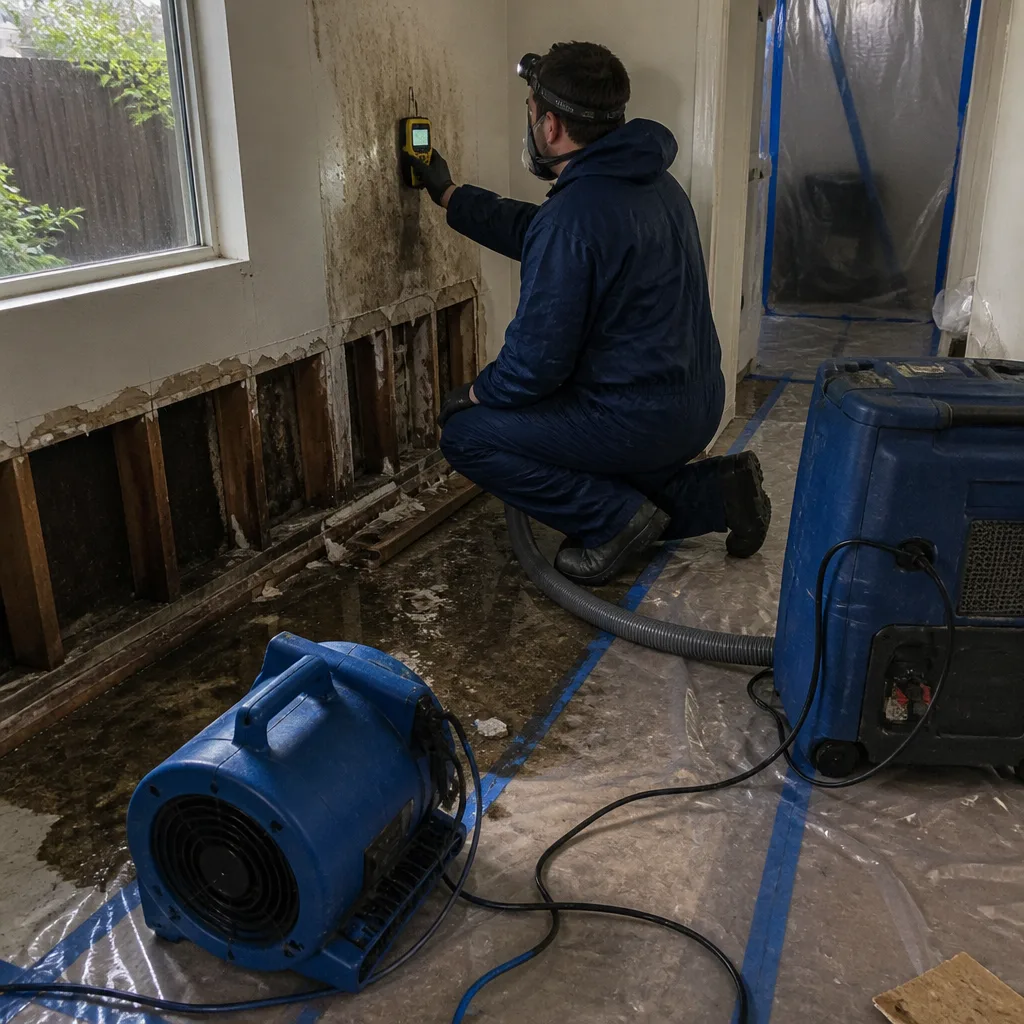
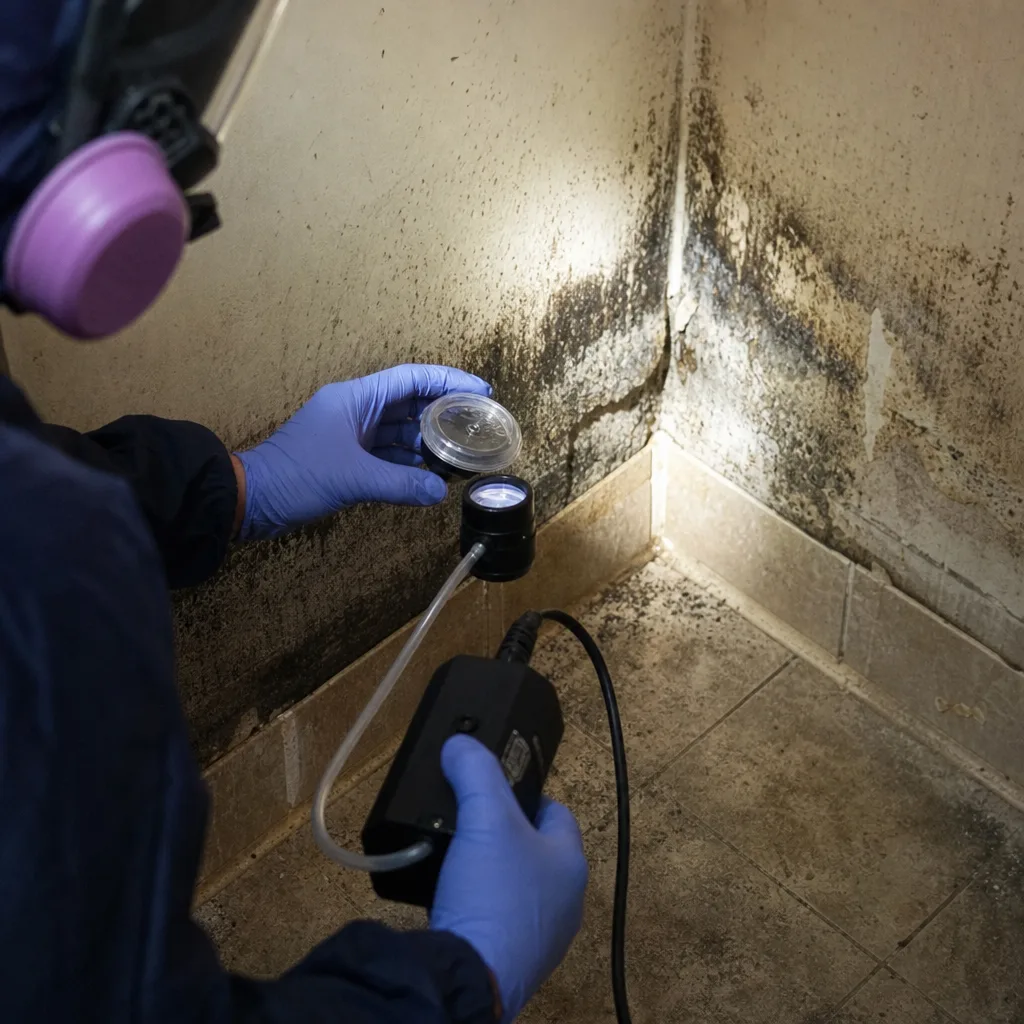
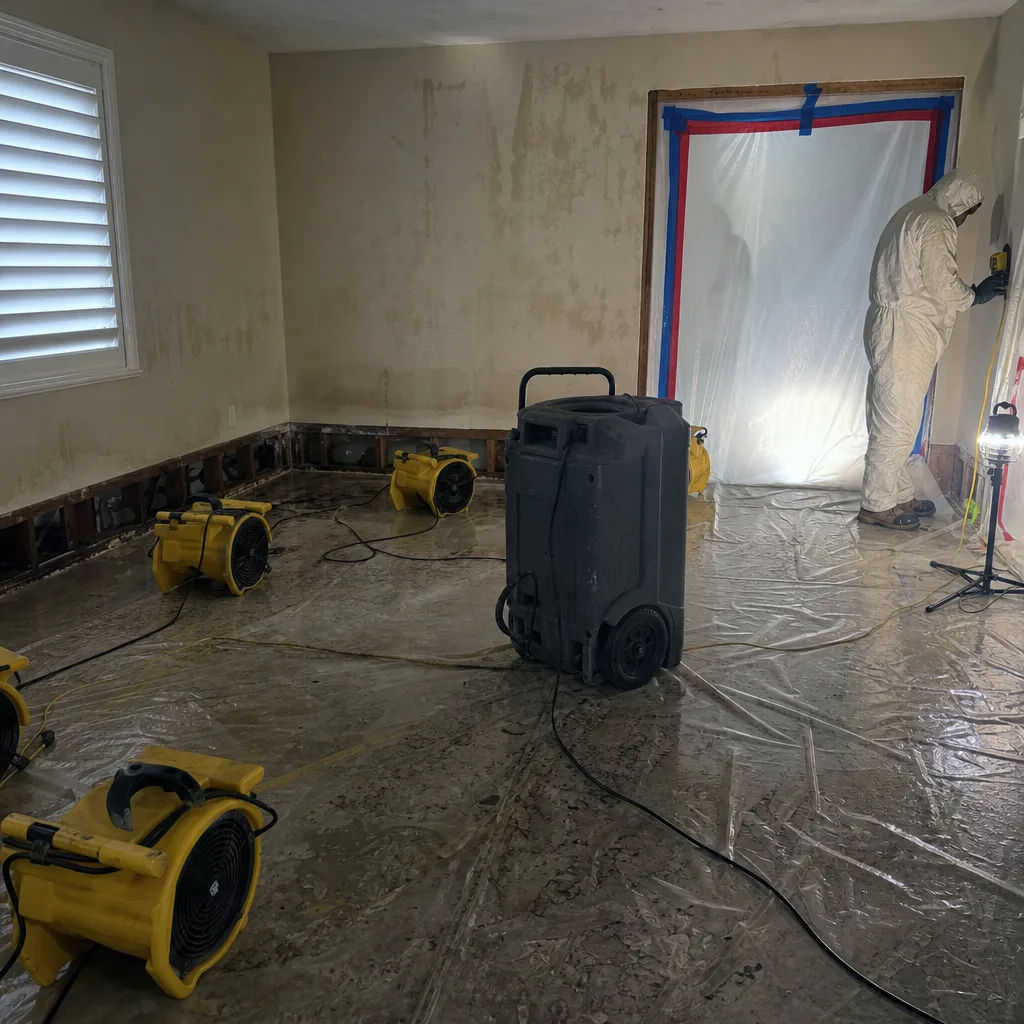
Standard drying protocols fail in Fort Lauderdale without accounting for marine-grade ambient moisture and ongoing hydrostatic pressure. We deploy Phoenix LGR dehumidifiers and Dri-Eaz air movers with psychrometric monitoring - that’s the measurement of temperature, relative humidity, and vapor pressure that tells us whether the air inside your walls is actually dry or just less wet. On canal-front properties in Las Olas Isles and Harbor Beach, we routinely build containment around block-wall cavities and run tertiary drying protocols that standard residential jobs never need. The daily drying logs we produce document vapor pressure differential, material moisture content, and equipment placement - the evidence adjusters need to approve the invoice without dispute.
Flood Cleanup
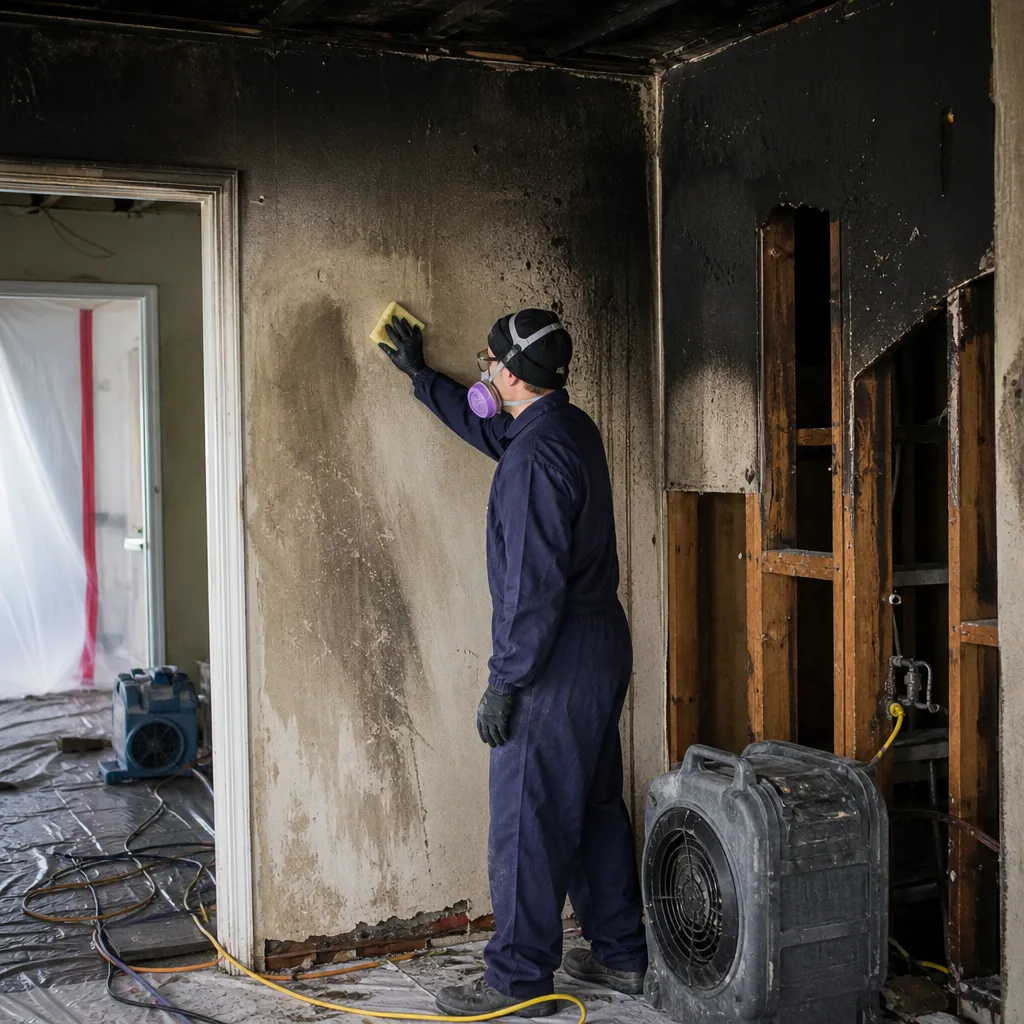
Flood cleanup in Fort Lauderdale means something different than inland Florida. Our “sunny-day” king-tide flooding - especially along low-lying east-side streets and SE 17th Street corridor - brings saltwater intrusion and repetitive saturation that complicates both restoration and insurance causation. We classify the water source correctly from the first inspection: Category 1, 2, or 3 determines the antimicrobial protocol, the salvageability of porous materials, and the documentation required for your claim. For canal-surge events, we coordinate seawall assessment into our scope where needed, and we photograph the water line, the source path, and the affected assemblies before anything moves.
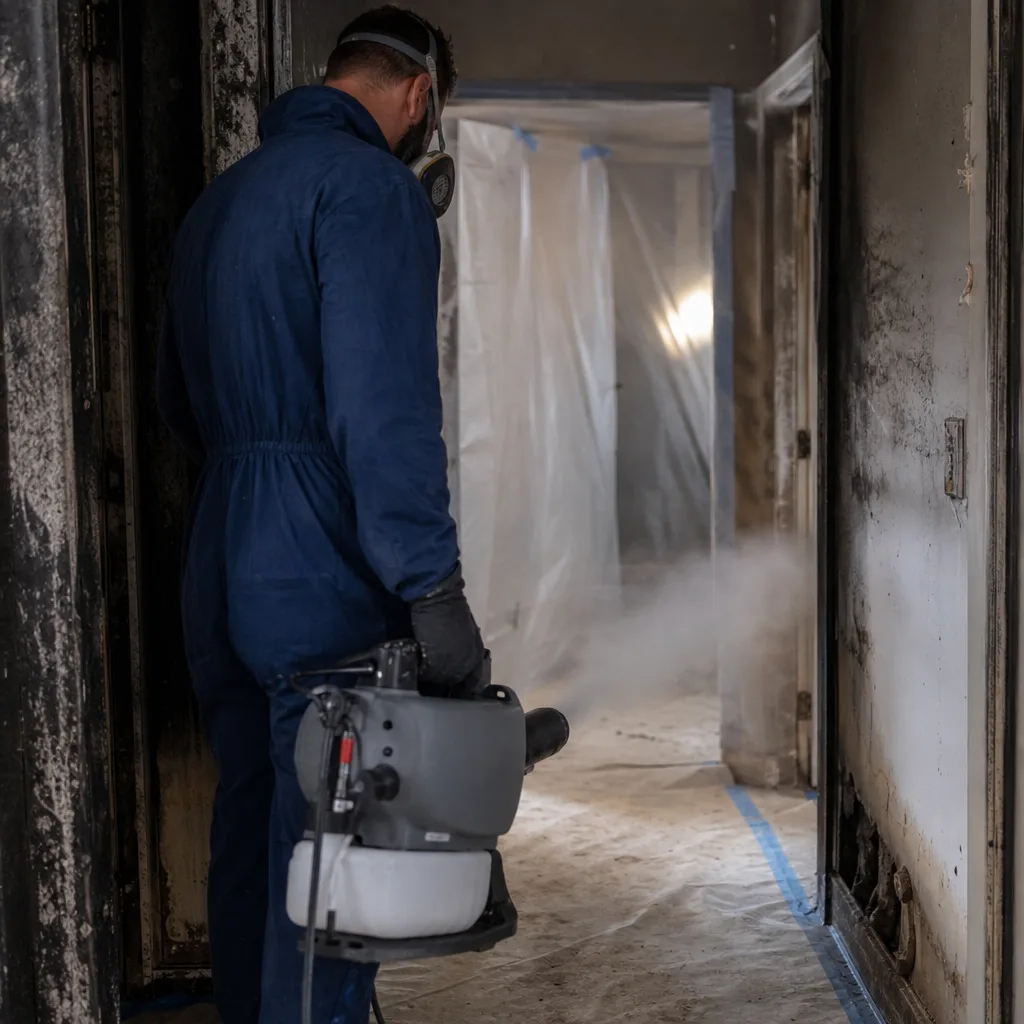
Burst Pipe Restoration
Fort Lauderdale’s older CBS ranches in Lauderdale Isles and Edgewood still run galvanized or early copper supply lines that fail at joints after decades of ground movement and salt-air exposure. When a pipe bursts inside a concrete-block wall, the water spreads laterally through the block cavities before you ever see a stain. We locate the breach with thermal imaging and moisture meters, scope the full extent of the cavity saturation, and document it for your insurer - because “replace the drywall” doesn’t cover the block core that stays wet for weeks if it’s not dried properly.
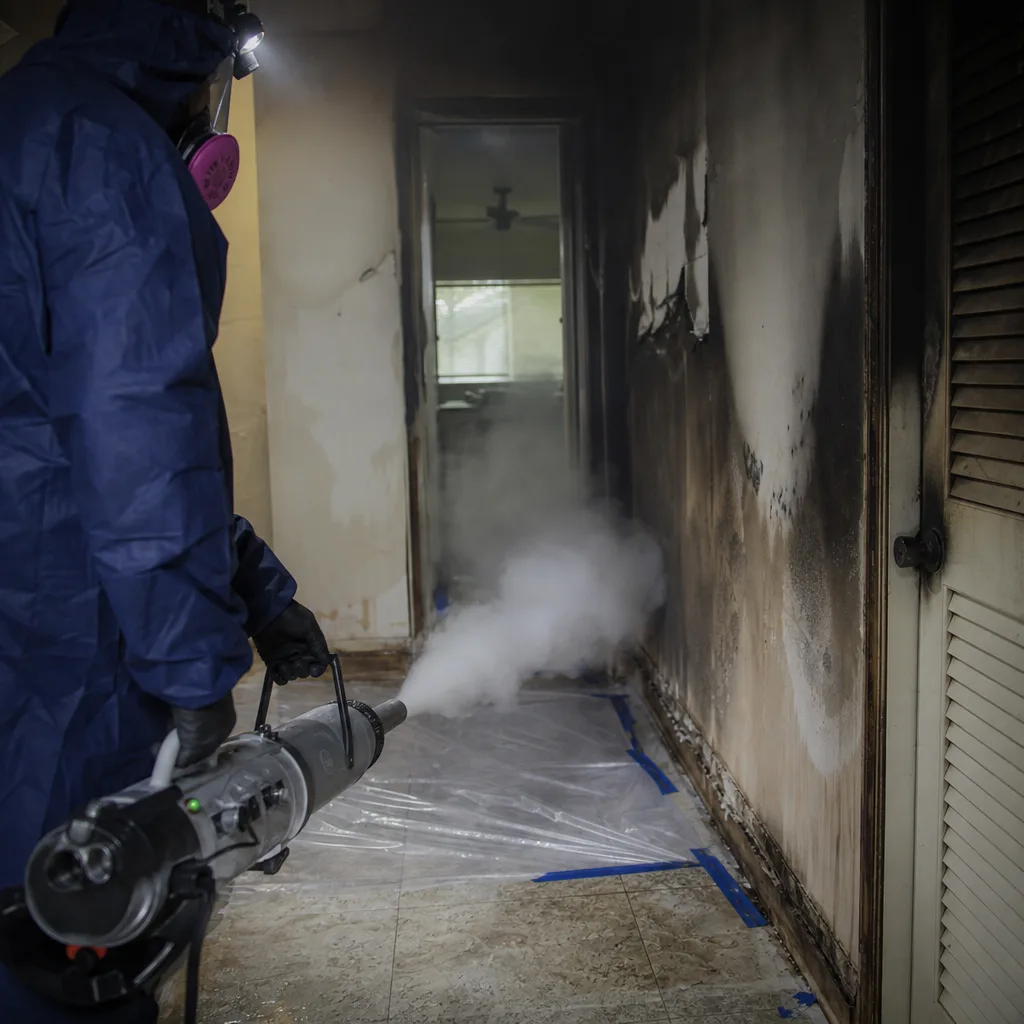
What happens when you call
- 1
A real person answersNo phone trees - you reach a local pro.
- 2
You get an upfront price rangeHonest numbers before anyone is dispatched.
- 3
A background-checked tech heads outLicensed & insured, dispatched right away.
- 4
You approve before work beginsNothing starts until you say go.
 Before
 After
AfterTrusted Brands We Service in Fort Lauderdale
Our Fort Lauderdale crews deploy professional-grade drying systems from Dri-Eaz, Phoenix, and XPOWER - equipment selected specifically for the high-moisture-load conditions of South Florida’s marine climate. Dri-Eaz Revolution LGR dehumidifiers pull more water per kilowatt hour than conventional units, which matters when you’re running 24-hour drying cycles against a slab that’s still wicking groundwater. Phoenix 200 HT dehumidifiers handle the tight containment spaces common to Fort Lauderdale’s waterfront condos, where oversize equipment won’t fit through service corridors. We stock HEPA filtration, negative-air machines, and specialized drying mats locally, so there’s no day-long wait for parts when a king-tide event hits multiple properties simultaneously.
Common Water Damage Restoration Problems We See in Fort Lauderdale Homes
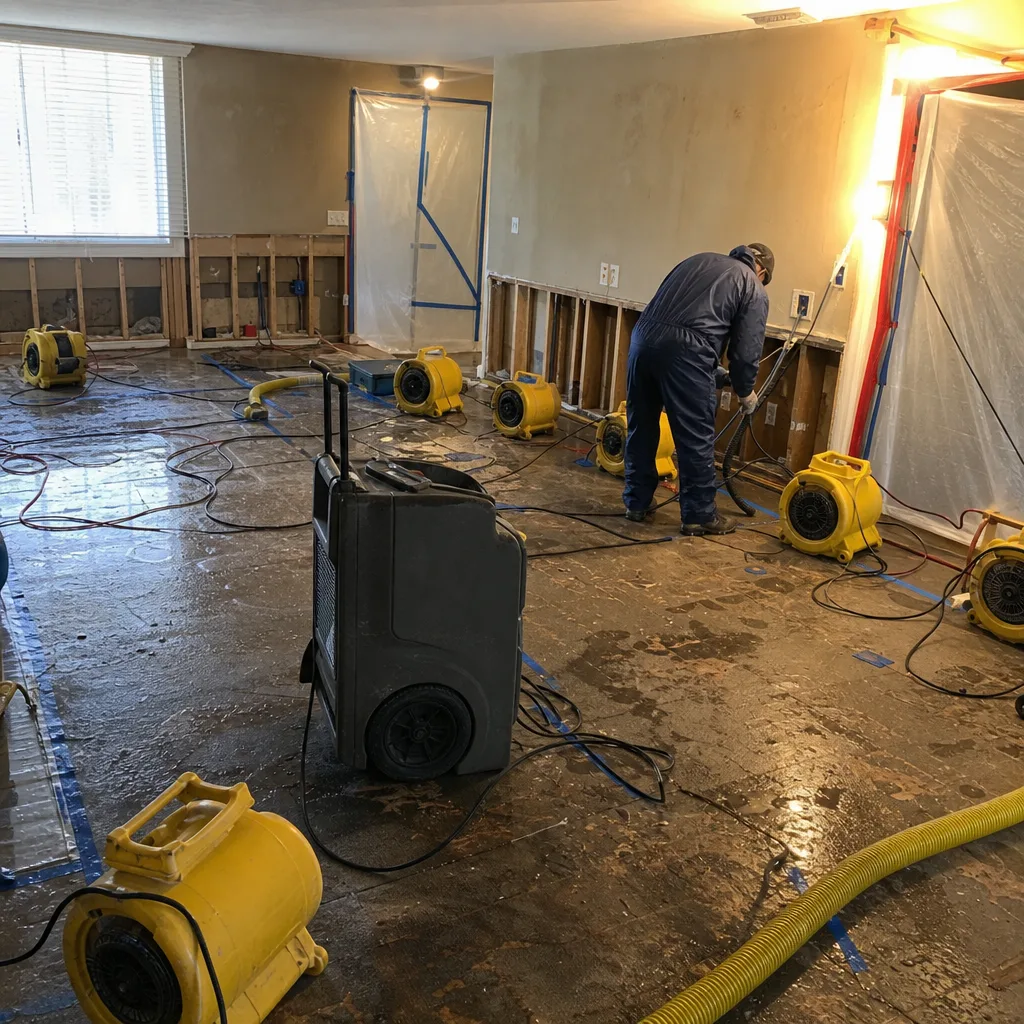
- Slab wicking from shallow groundwater. The water table sits two to five feet below grade across Fort Lauderdale, so post-storm soil saturation forces groundwater upward through concrete slabs even when roofs and windows are intact. We see this constantly in Edgewood and central Fort Lauderdale ranches - Category 2 water entering through the floor itself, invisible until moisture meters hit the baseboards.
- Flat roof ponding in CBS block cavities. The modified-bitumen roofs common to 1950s-1970s construction hold standing water for days after heavy rain, funneling it into block walls that read dry at the surface while the core stays saturated. Surface drying without cavity assessment leaves mold food behind.
- Multi-source moisture on finger-island properties. In Las Olas Isles, Harbor Beach, and Rio Vista, we regularly map active intrusion from three simultaneous sources: roof breach above, failed seawall or canal surge at the rear lot line, and tidal street flooding at the front curb. Single-source drying protocols fail here.
- Salt-air corrosion in waterfront condo systems. Post-2000 luxury mid-rises along the Intracoastal combine Class-A fire suppression with salt-air fastener corrosion. Skip the pack-out, miss the trapped moisture in corroded assemblies, and the dehumidifiers leave with the problem still growing inside the walls.
Pricing for Water Damage Restoration in Fort Lauderdale, FL
Water damage restoration in Fort Lauderdale follows measurable ranges tied to the scope, not guesswork. Emergency water extraction for a typical residential loss runs $1,200-$2,400 for the first affected area, with each additional zone adding $400-$800. Structural drying and dehumidification ranges from $1,600-$5,100 depending on square footage, material classification (drywall, plaster, CBS block, hardwood), and whether containment is needed for cavity drying. Flood cleanup involving Category 2 or 3 water, or jobs requiring pack-out and contents cleaning, typically fall in the $3,500-$7,500 range for residential properties under 3,000 square feet.
What moves the number: the water classification, the number of affected rooms, whether the slab is wicking groundwater (extending drying days), and whether demolition is needed to access block cavities. Every Fort Lauderdale job gets a written price before work begins - Haven Standard, Clause 1 - with no scope-creep additions once the crew is inside. We also offer a Free Second Opinion on any competitor’s written estimate; bring it to us and we’ll review the scope at no charge.
Call (754) 254-1257 for your exact quote - estimates are free, and we document what we find so you know what you’re paying for.
We Also Serve Cities Near Fort Lauderdale
Our crews work throughout Broward County, including Water Damage Restoration in Fort Lauderdale and the surrounding communities of Plantation, Pompano Beach, Hollywood, and Coconut Creek. Each market gets the same documentation-first approach, adjusted for local conditions - shallower water tables near the coast, different housing stock inland, and varying tidal exposure. Dispatch and scheduling are coordinated from our Miami (South FL) office, with Fort Lauderdale crews staged for rapid response across the metro area.
Serving Fort Lauderdale, FL - Our Local Coverage Area
We’re based in the Fort Lauderdale area and know this community well. Use the map below to see our service coverage - if you’re nearby, we can almost certainly help.
FAQs - Water Damage Restoration in Fort Lauderdale
Your slab is wicking groundwater upward because Fort Lauderdale’s water table sits only two to five feet below grade. After sustained rain, soil saturation creates hydrostatic pressure that pushes Category 2 water through the concrete-block foundation even with every window and roof surface intact. This is especially common on canal streets where the water table stays elevated year-round. We document the source with moisture mapping and slab-edge readings, then build the drying protocol around both the visible damage and the ongoing wicking. Call (754) 254-1257 for an exact quote - estimates are free.
Under South Florida’s warm, humid conditions, mold colonization in saturated CBS block cavities can begin in 48-72 hours. The block itself doesn’t feed mold, but the paper facing on interior drywall and any organic debris in the cavity do. The danger in Fort Lauderdale’s older ranches is that the block core stays wet long after the surface reads dry, extending the colonization window. We prevent this with cavity-specific drying, antimicrobial treatment where water classification requires it, and daily moisture logs that prove the assembly reached dry standard before we demobilize. Call (754) 254-1257 for an exact quote - estimates are free.
It means active moisture intrusion from more than one direction simultaneously - something we map routinely on finger-island properties in Las Olas Isles, Harbor Beach, and Rio Vista. A single event might introduce roof water from above, canal surge or seawall failure from the rear lot line, and tidal street flooding at the front curb. Each source has different water classification, different contamination risk, and different drying requirements. Our Water Damage Restoration team assesses all vectors in the initial inspection, documents each source path photographically, and builds the scope accordingly - because drying only the ceiling while the slab still wicks groundwater leaves the job half done. Call (754) 254-1257 for an exact quote - estimates are free.
No. Antimicrobial application follows IICRC protocol based on water classification, not as a routine upsell. Category 1 (clean water) losses to dry standard within 24-48 hours typically don’t require it. Category 2 (gray water) and Category 3 (black water) jobs do, as do any cavity exposures where drying will exceed 72 hours. We specify whether antimicrobial is included in your written scope, with the reasoning documented - adjusters approve what they can follow. Call (754) 254-1257 for an exact quote - estimates are free.
Most standard homeowner policies cover reasonable mitigation costs, including contents pack-out when necessary to access saturated assemblies, and professional drying documentation required to prove the work was done to standard. The key word is “documented.” Our daily drying logs, photo records, and written scopes are built specifically for adjuster review - they show equipment placement, psychrometric readings, and material moisture content at demobilization. We’ve had adjusters approve Fort Lauderdale claims on our documentation alone without a second site visit. Bring us your policy details and we’ll review coverage as part of your free estimate. Call (754) 254-1257 - estimates are free.
Written by Alicia Brennan, Owner at Back to Dry Restoration, serving Fort Lauderdale since 2011.