
Last updated September 23, 2026
Free visual inspection and a written scope of work before any mitigation begins - photos, moisture readings, and drying logs go in your claim file
The scope we write is the scope we bill. Anything new gets shown to you, in writing, before we touch it.
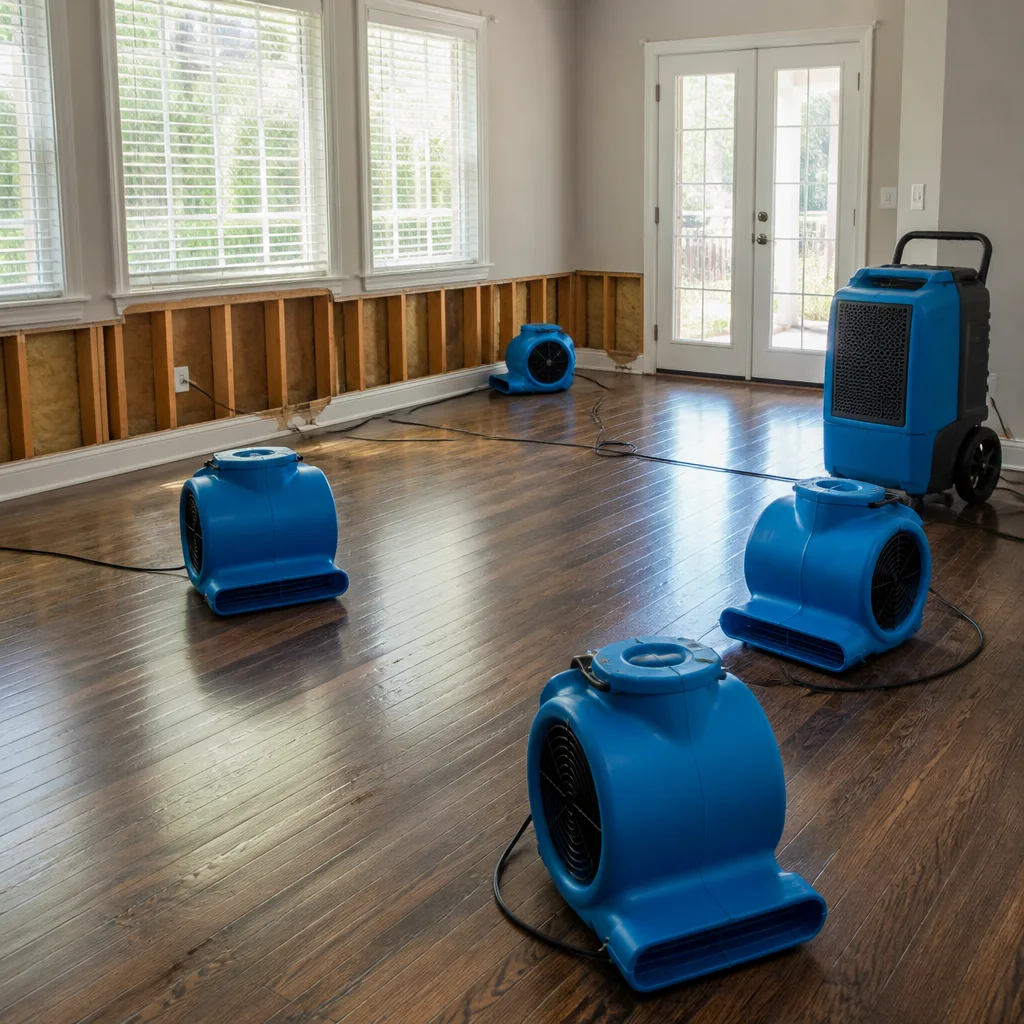
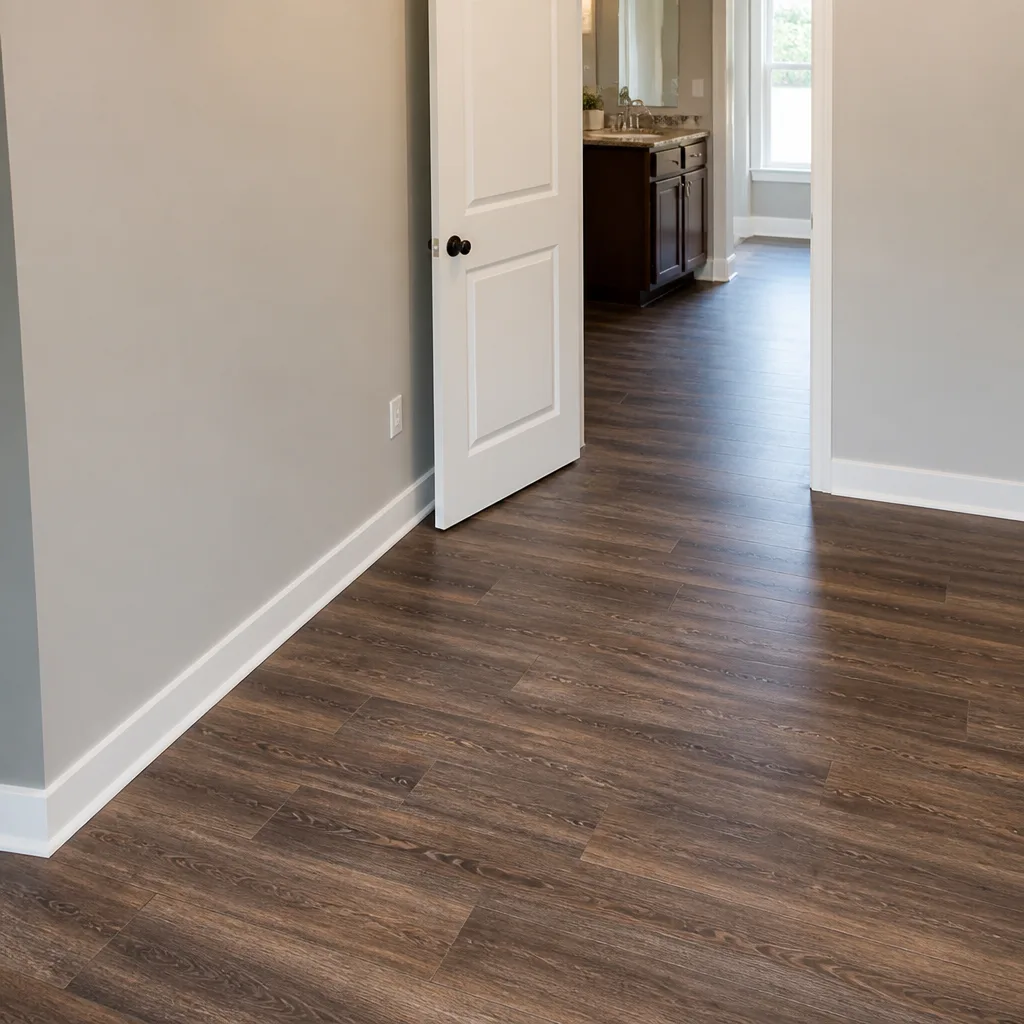
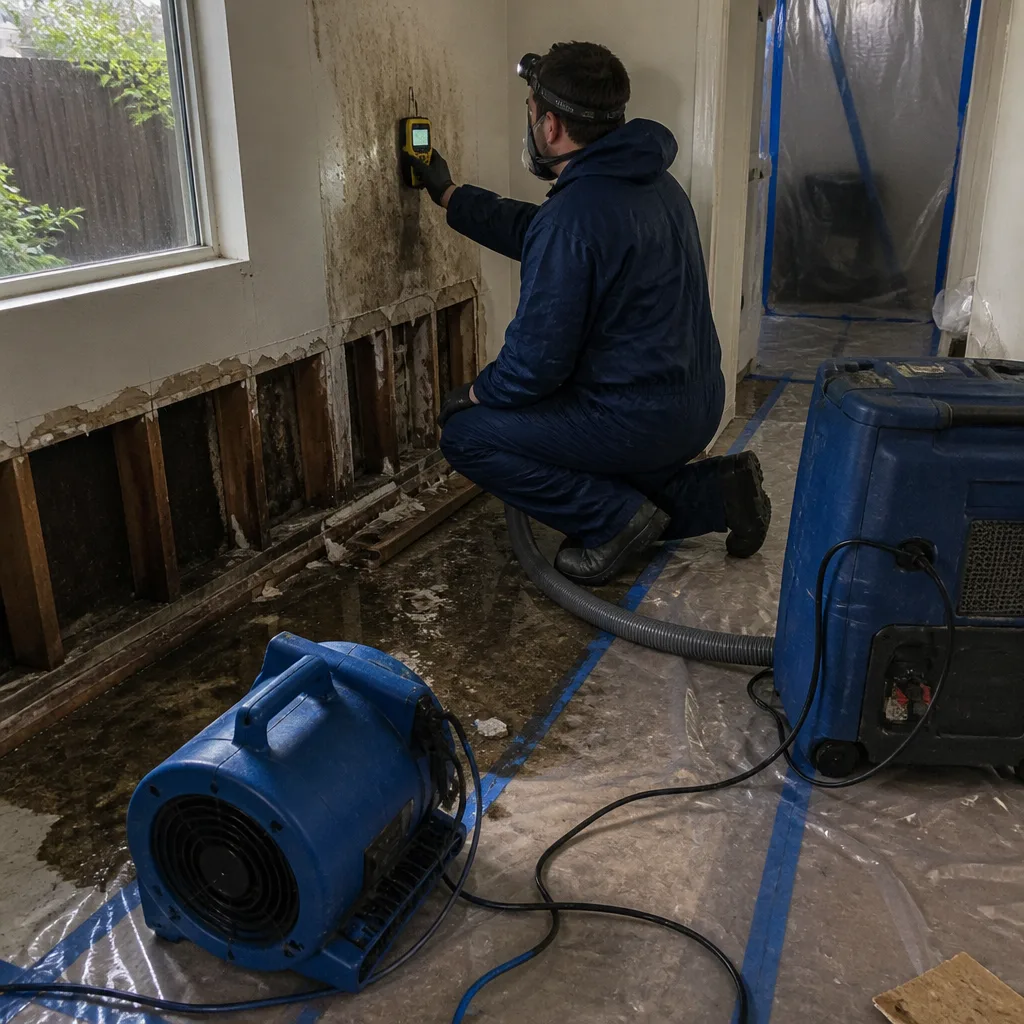 Before
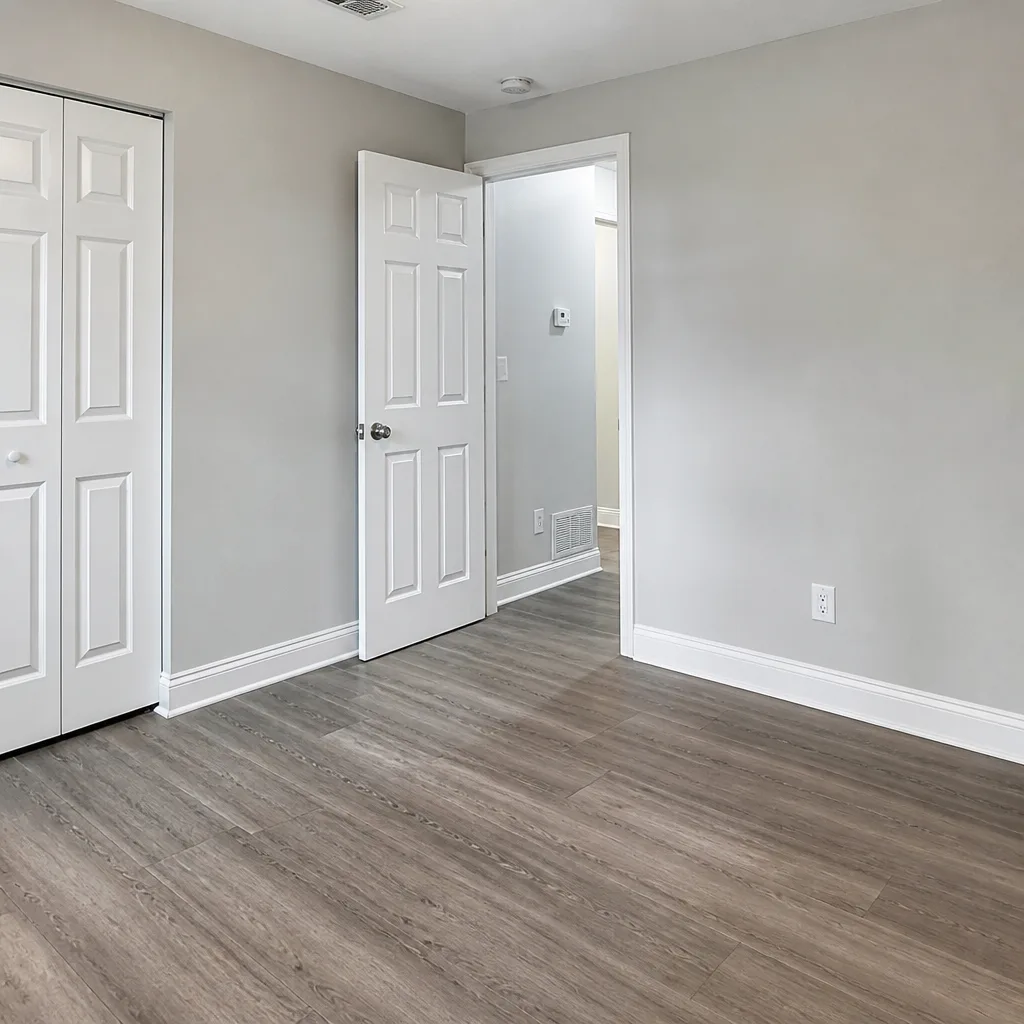 After
After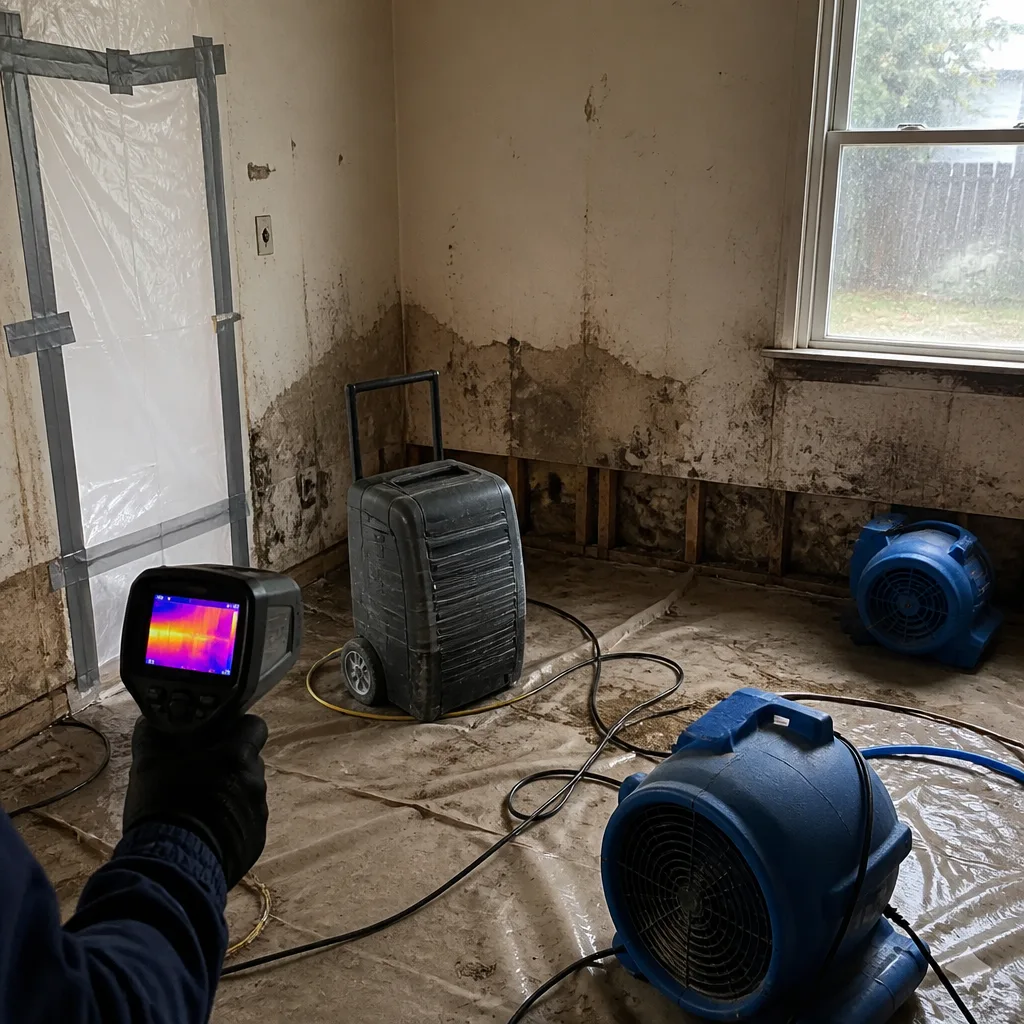 Before
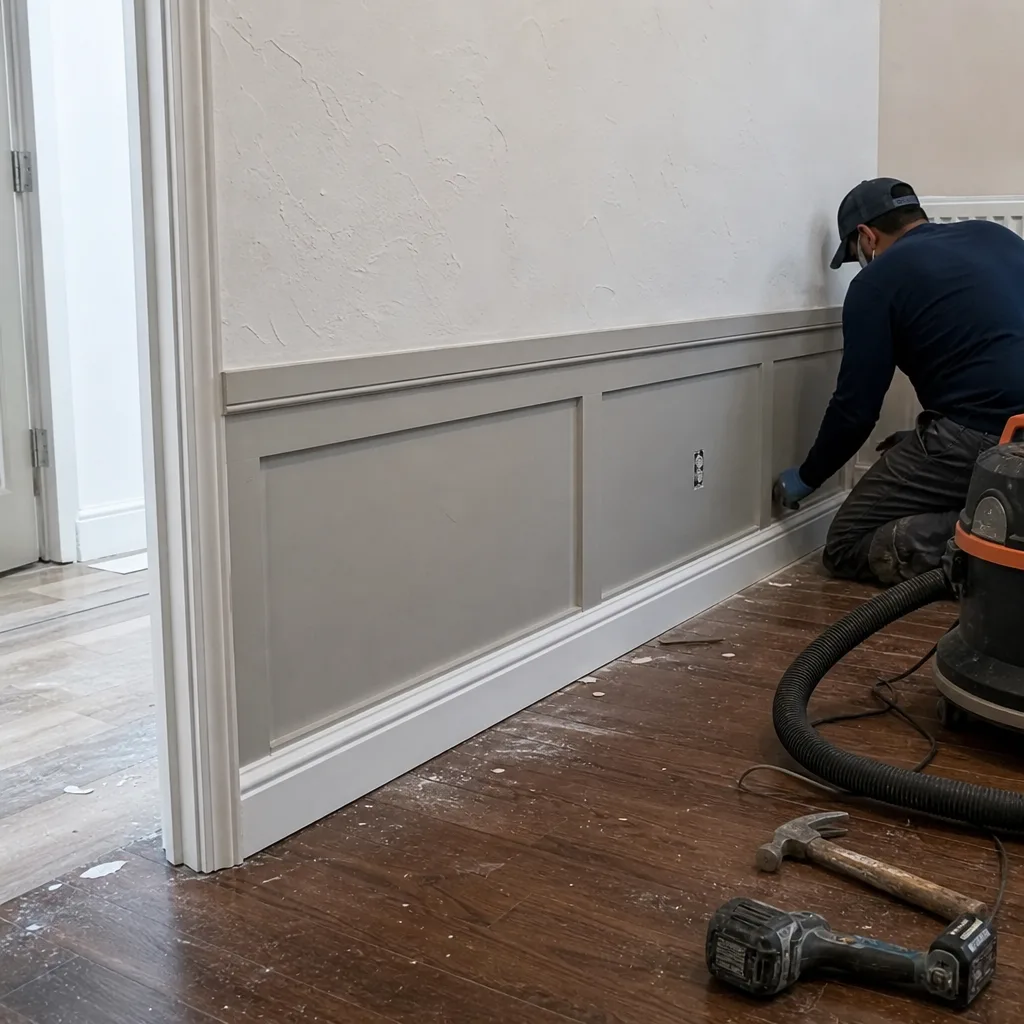 After
After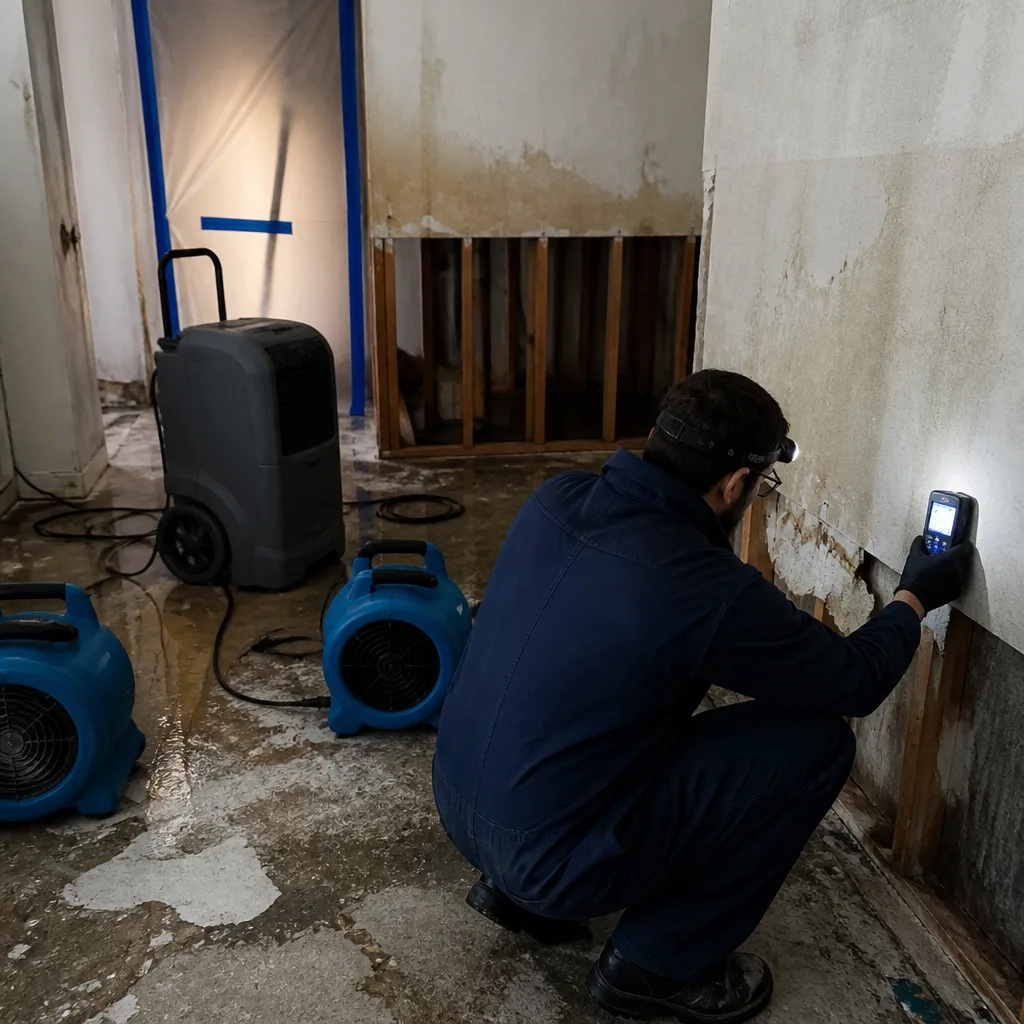 Before
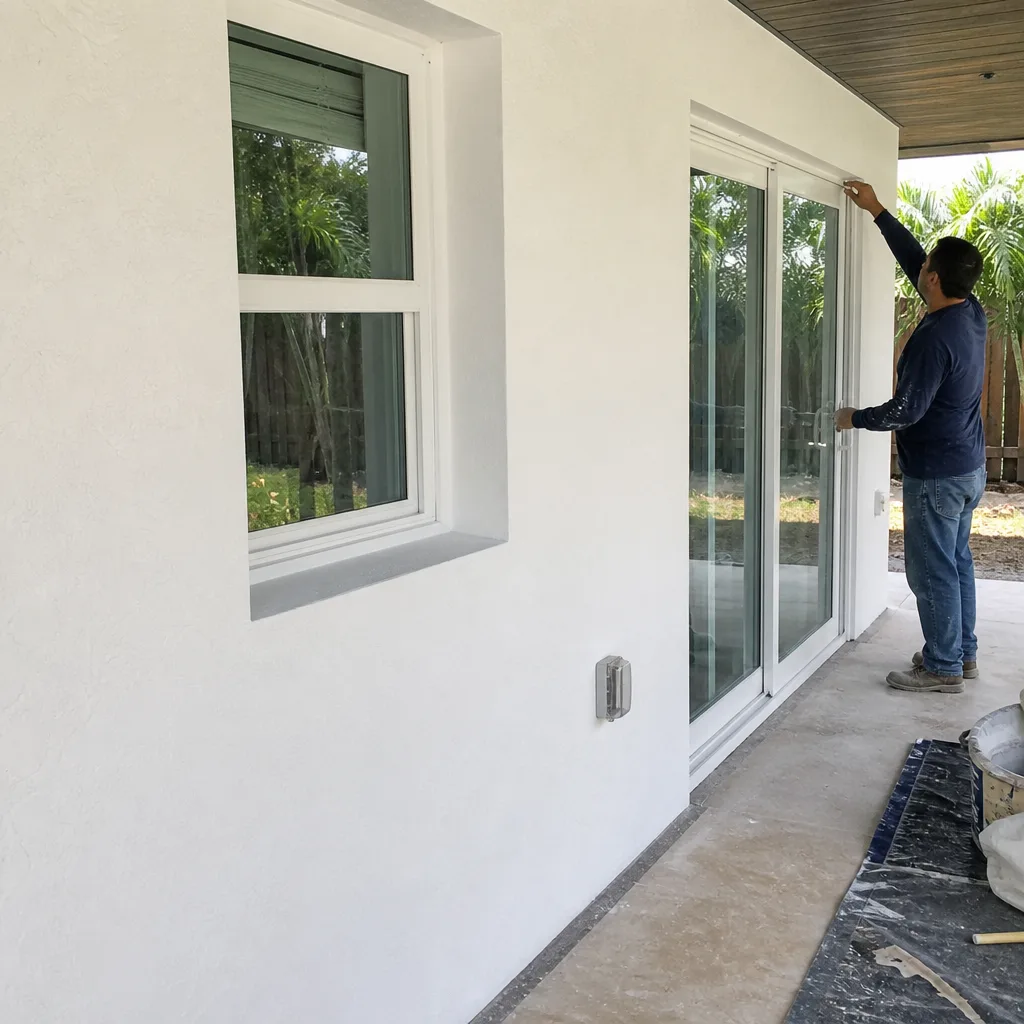 After
AfterDamage Restoration Permits, Codes & Inspections in FL: What You Need to Know
A Fort Lauderdale homeowner paid $28,000 for post-flood drywall and flooring replacement after Hurricane Ian’s fringe effects reached Broward County. At closing, the buyers’ lender discovered no permit had ever been pulled. The sale stalled. A $9,000 re-inspection and partial tear-out followed, with the original contractor long gone. This is not a rare story in Fort Lauderdale. Florida’s restoration permit rules are specific, county-enforced, and increasingly checked by insurers and lenders who treat unpermitted work as undocumented work. In this guide, we’ll show exactly which restoration tasks trigger permits in Broward County, how Florida’s 50% Rule affects flood-zone rebuilds, and why the gap between mitigation and reconstruction is where most homeowners get caught. For more on avoiding common pitfalls, see our Damage Restoration Warning Signs: A Fort Lauderdale Homeowner’s Reference Guide.
Quick Answer
Most water damage mitigation (drying, demolition, cleaning) does not require a permit in Broward County, but reconstruction of walls, floors, or electrical systems almost always does. Florida’s building code treats restoration as either maintenance or alteration based on the square footage of affected structural assembly, not the project cost. Without proper permits and final inspections, unpermitted restoration work can be rejected by insurers, lenders, and future buyers, forcing costly rework. See our DIY vs Professional Damage Restoration: The Fort Lauderdale Homeowner’s Decision Guide for help evaluating your options.
Table of Contents
- When Is a Permit Required for Restoration Work?
- Mitigation vs. Rebuild: The Critical Distinction
- Broward County’s Specific Permit Thresholds
- Florida’s 50% Rule and Fort Lauderdale Flood Zones
- What Broward County Inspectors Actually Check
- Certificates, Notices, and Your Insurance Claim File
- What Happens When Restoration Skips Permits
- Common Mistakes to Avoid
- When to Call a Professional
- Frequently Asked Questions
- The Bottom Line
 Before
 After
AfterWhen Is a Permit Required for Restoration Work?
Florida Statute 489.103 and the Florida Building Code draw a bright line that many restoration companies prefer to blur. The rule is structural, not cosmetic. Any work that affects the structural integrity, electrical system, plumbing, or HVAC of a building requires a permit. In practice, this means most of what homeowners call “restoration” triggers permitting, while what insurers call “mitigation” typically does not.
Permit-required restoration work in Broward County includes:
- Replacement of drywall or plaster on more than one wall or ceiling surface in a single room
- Subfloor repair or replacement that involves structural members or underlayment
- Electrical outlet, switch, or fixture replacement in water-damaged areas
- HVAC ductwork replacement or modification
- Plumbing pipe repair or replacement behind walls
- Roof decking repair exceeding 100 square feet or 25% of roof surface
- Window or door replacement that alters the rough opening
- Any work in a flood zone that cumulatively exceeds the 50% threshold (see below)
Work that generally does not require a permit includes water extraction, dehumidification, content cleaning, selective demolition of wet materials without replacement, and application of antimicrobial treatments. The distinction matters because some restoration companies classify full reconstruction as “emergency services” to avoid permit delays, leaving the homeowner with unpermitted improvements and no inspection record.
In Fort Lauderdale, the Building Code Compliance Office enforces these rules through the Broward County Unified Permitting Program. The city does not recognize “restoration” as a separate permit category. Your project falls under residential alteration, residential repair, or, in significant flood damage, substantial improvement. Each category carries different documentation requirements and inspection schedules.
We’ve reviewed competitor estimates in Fort Lauderdale that describe $40,000 kitchen rebuilds as “mitigation and drying” with no permit mentioned. Haven Standard, Clause 1 requires a written price before work begins, but it also requires that price to specify whether permits are included and who obtains them. A written scope that omits permitting is incomplete scope documentation, and we flag it in every DryMark Restoration Fort Lauderdale home consultation.
Mitigation vs. Rebuild: The Critical Distinction
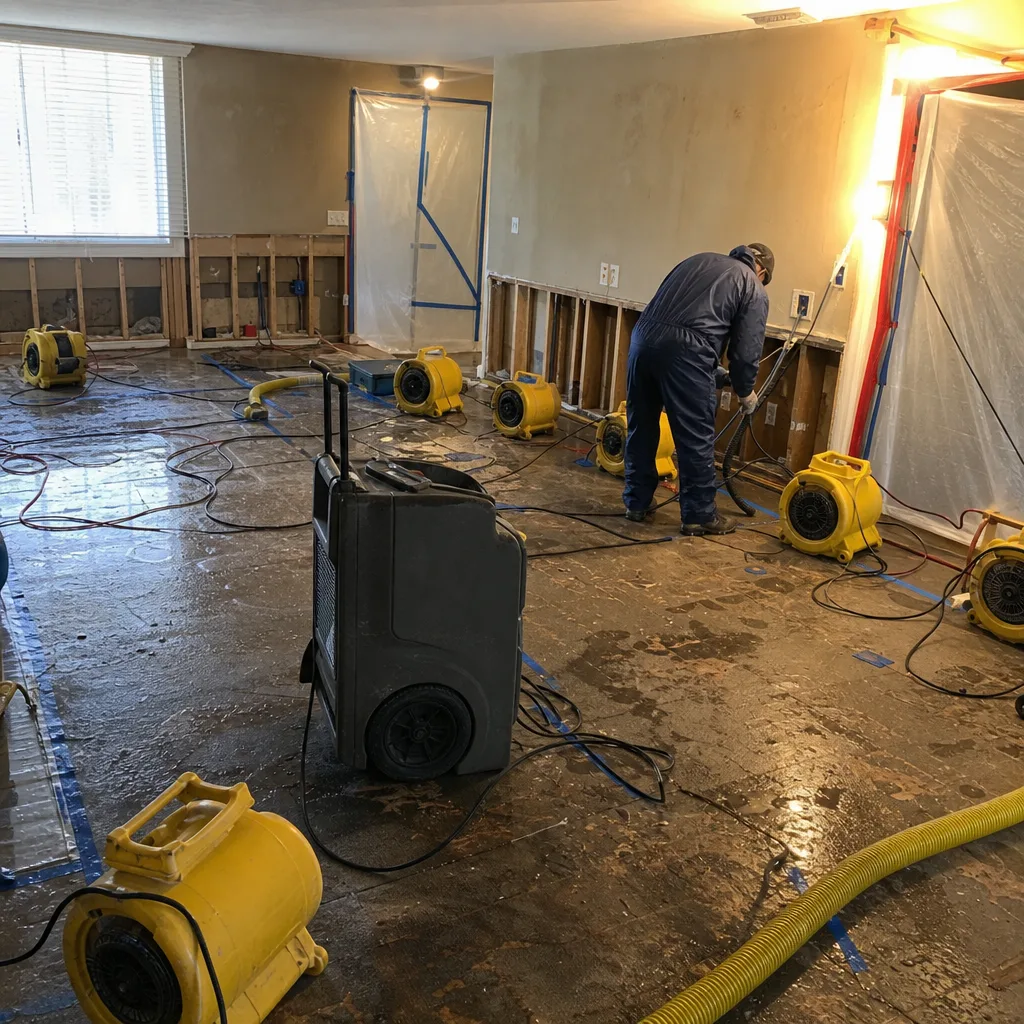
The restoration industry uses “mitigation” and “rebuild” as shorthand, but Florida building officials use them as legal categories with different regulatory consequences. Understanding the difference protects homeowners from companies that conflate the two to speed up job starts.
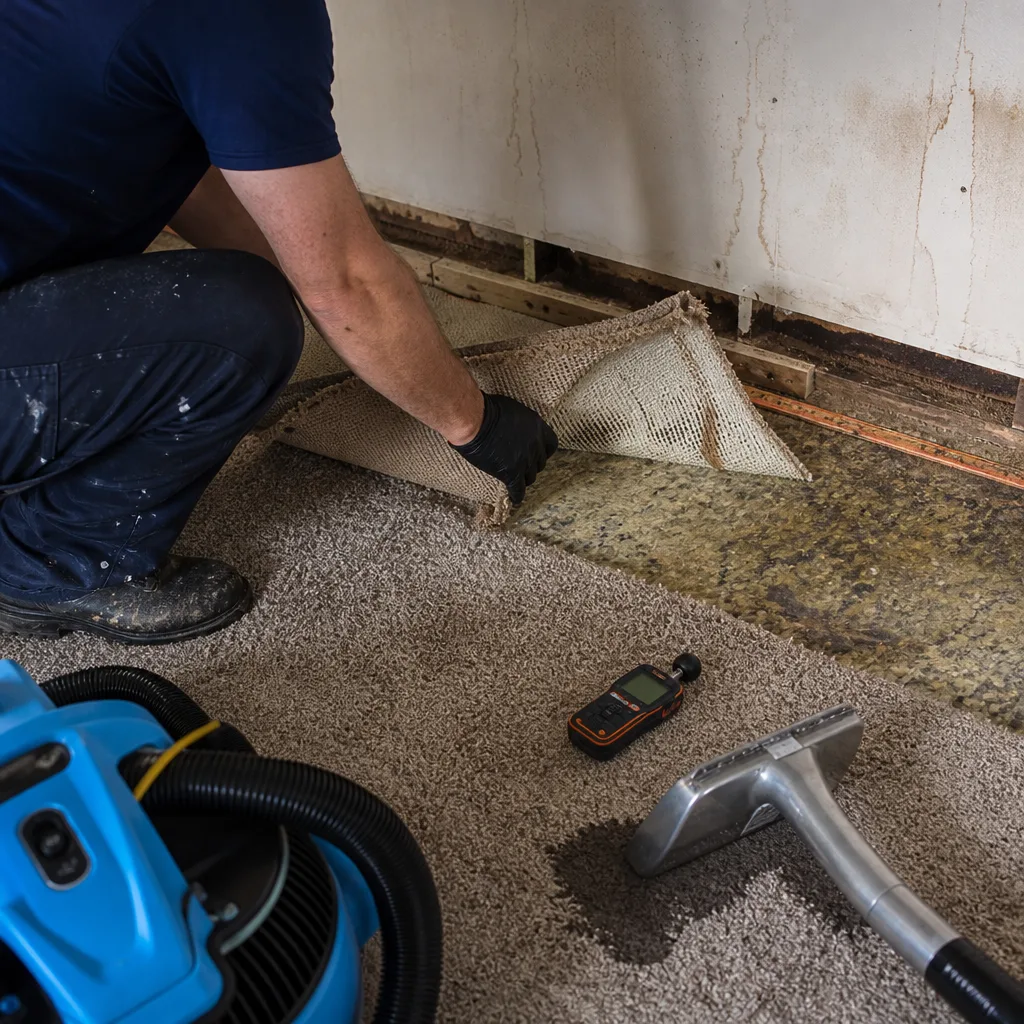
Mitigation is the emergency response: stopping active water migration, removing unsalvageable materials, drying remaining structure to established moisture content levels, and preventing secondary damage like mold amplification. Mitigation scopes are measured by psychrometric data, vapor pressure differential readings, and daily moisture logs recorded with professional-grade equipment. In our work, we document these with Dri-Eaz and Phoenix dehumidification systems, capturing grain-per-pound readings that prove the structure reached equilibrium before rebuild begins. Mitigation rarely requires permits because it does not install new building components.
Rebuild (also called reconstruction or restoration) is the return of the structure to pre-loss condition through new materials and installed building components. This is where permitting begins. A rebuild scope might include:
- Framing repair or replacement - new studs, joists, or rafters installed after structural drying
- Drywall installation - hanging, taping, mudding, and finishing of new wallboard
- Flooring installation - subfloor repair, underlayment, and finished floor materials
- Cabinet and fixture replacement - kitchen and bath components removed during mitigation
- Electrical and plumbing rough-in and finish - systems disturbed by demolition
- Painting and final finish - applied after inspection approval
The danger zone is the company that begins rebuild activities while still classifying the work as mitigation. We’ve seen Fort Lauderdale contractors install new drywall while the dehumidifiers are still running, claiming the entire job is “emergency services.” This creates two problems: unpermitted construction that violates Florida Statute 553.79, and moisture readings taken over finished surfaces where hidden cavities may still contain elevated moisture content. Our protocol separates these phases explicitly in every written scope, with a documented moisture clearance signed before any rebuild permit application.
The financial stakes are significant. An insurer may pay mitigation invoices quickly under emergency provisions but scrutinize rebuild costs heavily. If rebuild work was performed without permits, the insurer can deny those portions of the claim as non-compliant with policy conditions requiring code-compliant repairs. The homeowner then faces out-of-pocket costs for work already completed, with no leverage to compel contractor correction.
Broward County’s Specific Permit Thresholds
Broward County’s Unified Permitting Program applies a square-footage test that surprises many homeowners. The threshold is not dollar value. A $5,000 drywall replacement in a 400-square-foot open-plan living area can trigger permitting, while a $15,000 cabinet replacement in the same footprint might not if no structural, electrical, or plumbing work is involved.
The specific thresholds that govern Fort Lauderdale restoration work:
- Structural assembly repair or replacement exceeding 100 square feet in a single continuous area requires a residential alteration permit. This includes wall framing, floor systems, and ceiling assemblies.
- Drywall or plaster replacement exceeding 200 square feet cumulative in a dwelling unit requires permit, regardless of whether the replacement matches original finishes.
- Electical work of any scope beyond like-for-like device replacement requires electrical permit. This includes new outlet installation in previously undamaged walls, common in flood restoration where circuits must be rerouted.
- Plumbing repair behind walls requires plumbing permit, even for single-fixture replacement if wall access is required.
- Roof repair exceeding 100 square feet or 25% of total roof area, whichever is less, requires roofing permit.
- Window or door replacement altering rough opening dimensions requires building permit; like-for-like replacement in same opening generally does not.
These thresholds create a specific risk pattern in Fort Lauderdale’s older housing stock. Homes in neighborhoods like Coral Ridge, Victoria Park, and Rio Vista, built between 1950 and 1980, often have smaller rooms with more wall surface area per square foot of floor area. A water line failure in a 120-square-foot galley kitchen can easily trigger the 100-square-foot structural threshold when wall demolition extends to adjacent laundry or pantry spaces. We’ve documented this scenario repeatedly in Fort Lauderdale restoration assessments, where the initial “small kitchen leak” expands to a permitted alteration spanning three rooms.
The permit application itself requires specific documentation that many restoration companies fail to prepare:
- Property survey or site plan showing structure location and flood zone designation
- Detailed scope of work with material specifications and manufacturer data sheets
- Contractor license verification and insurance certificate
- Notice of Commencement (for projects exceeding $2,500, required by Florida Statute 713.13)
- Energy compliance documentation for affected building envelope components
- Wind mitigation documentation if structural components are modified in High-Velocity Hurricane Zones
Broward County’s online permitting system, ePermits, allows application submission, but the initial documentation review typically takes 5-10 business days. Rush processing is available for emergency repairs that affect life safety, but this requires inspector verification of the emergency condition, not merely contractor assertion. A company that promises “same-day permit bypass” is describing code violation, not service.
Florida’s 50% Rule and Fort Lauderdale Flood Zones
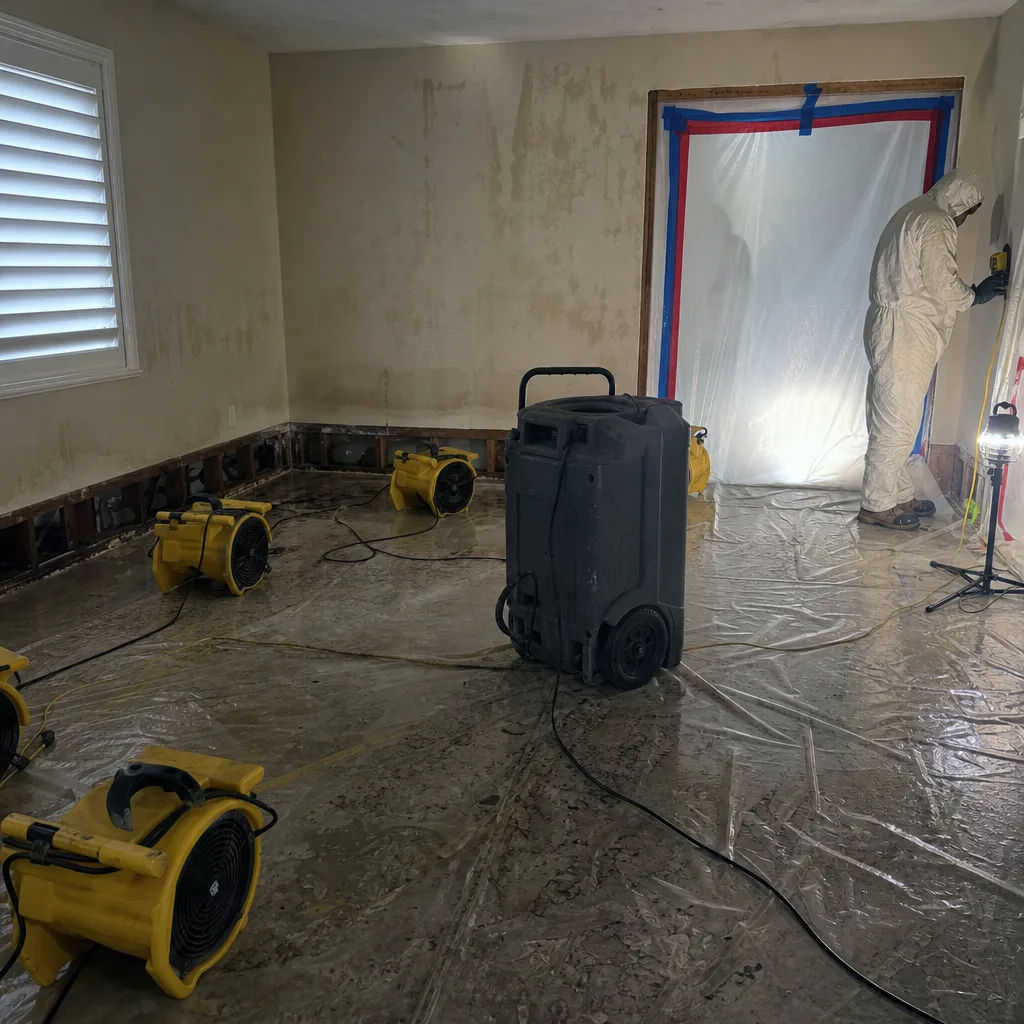
Fort Lauderdale’s geography makes the 50% Rule one of the most consequential and least understood provisions in Florida restoration law. The rule applies to structures in Special Flood Hazard Areas, which cover significant portions of the city including neighborhoods east of Federal Highway and areas adjacent to the New River, Intracoastal Waterway, and canal systems.
The rule is straightforward in statement but complex in application: if the cost of restoration or improvement to a structure in a Special Flood Hazard Area equals or exceeds 50% of the structure’s market value before the damage occurred, the entire structure must be brought into full compliance with current floodplain management requirements. This is not optional. It is not negotiable with the insurer. It is enforced by the National Flood Insurance Program through local building officials.
Fort Lauderdale’s flood zone designations determine which structures are affected:
- Zone AE - Areas with 1% annual flood chance and determined base flood elevations. Most of eastern Fort Lauderdale, including Las Olas Isles, Harbor Beach, and Lauderdale Beach. Structures here face strict elevation requirements if the 50% threshold is triggered.
- Zone VE - Coastal high hazard areas with velocity wave action. Structures here must meet additional design standards for wave impact resistance if substantial improvement is triggered.
- Zone X - Areas of reduced flood risk, but includes shaded Zone X where 0.2% annual flood chance applies. The 50% Rule applies to shaded Zone X in Fort Lauderdale’s updated flood maps; unshaded Zone X is generally exempt.
The “market value” calculation is critical and often disputed. Broward County uses the property appraiser’s assessed building value, not the total assessed value including land. For a Fort Lauderdale home with $800,000 total assessed value and $320,000 building value, the 50% threshold is $160,000 in restoration costs, not $400,000. Restoration companies unfamiliar with this calculation may inadvertently trigger the rule by submitting inflated scopes, or fail to warn homeowners when cumulative repairs approach the threshold.
The consequences of triggering substantial improvement are significant:
- Structure must be elevated to current base flood elevation, often 2-4 feet above existing finished floor
- Foundation must meet current standards for flood-resistant materials and construction methods
- Electrical, HVAC, and plumbing systems must be elevated or floodproofed to current code
- Enclosed areas below base flood elevation are restricted to parking, storage, and building access
- Historic structure exemptions are limited and require specific documentation
We’ve encountered Fort Lauderdale homeowners who completed $200,000 in unpermitted post-hurricane restoration, only to learn at their next flood insurance renewal that the work triggered substantial improvement requirements that were never met. The insurer canceled the policy. The home became unmarketable. The cost to retrofit elevation after construction was completed exceeded the original restoration cost by a factor of three.
Proper documentation prevents this. Our written scopes include a 50% Rule assessment for any flood-damaged structure in a Special Flood Hazard Area, with the property appraiser’s building value cited and cumulative restoration costs tracked against the threshold. If a project approaches 50%, we notify the homeowner and adjuster in writing before proceeding, with options for phasing work or value engineering to remain below the threshold if structurally feasible.
What Broward County Inspectors Actually Check
Homeowners often assume a final inspection is a brief visual walkthrough. In Broward County’s Unified Permitting Program, post-restoration inspections are structured, documented, and increasingly technical. Understanding what inspectors verify helps explain why proper permitting matters and why rushed or concealed work fails.
The inspection sequence for a typical residential restoration project includes:
- Rough inspection - conducted before wall and ceiling cavities are closed. Inspector verifies framing moisture content, insulation type and R-value, electrical rough-in, plumbing pressure test, and HVAC ductwork installation.
- Insulation inspection - separate or combined with rough, verifying continuous thermal barrier and proper installation without compression or gaps.
- Drywall inspection - verifies fastener pattern, joint treatment, and fire-rated assemblies where required. In Fort Lauderdale’s High-Velocity Hurricane Zone, this includes enhanced fastening schedules for wind resistance.
- Final inspection - comprehensive verification of completed work against approved plans, including finish materials, fixture installation, and operational testing of systems.
Specific verification points that affect restoration work:
Framing moisture content - Broward County inspectors use pin-type moisture meters on wood framing members. The acceptable threshold is typically 15-19% moisture content, depending on species and application. Framing that was not adequately dried before rebuild will fail inspection, requiring removal of new drywall to access and re-dry the structure. This is why we do not apply for rebuild permits until our daily moisture logs, recorded with calibrated equipment, demonstrate sustained readings below threshold.
Insulation R-value documentation - Florida Energy Code requires specific R-values for walls, ceilings, and floors. Restoration must match or exceed original R-value, with product data sheets available for inspector verification. We document the original insulation type during demolition and specify replacement product by manufacturer and R-value in every written scope.
Drywall fastener pattern - Florida Building Code specifies screw spacing at 12 inches on center for walls, 8 inches for ceilings, with additional fasteners at panel edges and corners. Inspectors measure this. Contractors who rush hanging will fail and re-hang at their own cost, or more commonly, abandon the job when failure occurs.
Wind mitigation for HVHZ - Fort Lauderdale’s High-Velocity Hurricane Zone designation requires enhanced fastening of roof decking, wall sheathing, and structural connections. Any restoration that disturbs these assemblies must restore them to current HVHZ standards, not merely pre-loss condition. This often means upgrading from original construction that predates current standards.
Failed inspections require correction and re-inspection, with fees for each return visit. A project with multiple failures can accumulate inspection fees exceeding the original permit cost. More critically, each failure extends the timeline, potentially affecting insurance claim deadlines and homeowner temporary living arrangements.
Our protocol includes pre-inspection verification using the same criteria Broward County applies. We photograph fastener patterns, moisture readings, and insulation installation before requesting inspection. This documentation becomes part of the homeowner’s claim file, demonstrating compliance effort that supports insurance payment and future sale disclosure.
Certificates, Notices, and Your Insurance Claim File
Florida restoration generates paperwork that most homeowners file and forget. Two documents in particular, the Certificate of Completion and the Notice of Commencement, perform distinct legal functions that affect property title, insurance claims, and future transactions. Confusing them, or omitting either, creates problems that surface years later.
The Notice of Commencement (NOC) is a recorded document required by Florida Statute 713.13 for any construction project exceeding $2,500. It establishes the official start date of the project, identifies the property owner, contractor, and lender, and triggers the timeline for mechanic’s lien rights. In restoration, the NOC serves a second function: it creates a public record that work was performed, with dates and parties identified, which supports insurance claim documentation and future sale disclosure.
The NOC must be recorded before work begins, not after. A contractor who begins work without a recorded NOC forfeits certain lien protections and may create title defects that affect the homeowner’s ability to refinance or sell. We prepare and record NOCs for all permitted restoration work as a standard deliverable, with the recorded document provided to the homeowner and adjuster within 48 hours of recording.
The Certificate of Completion (also called Certificate of Occupancy for new construction, or simply final approval for alterations) is issued by Broward County after final inspection passes. It certifies that the work was completed in accordance with the approved permit and applicable codes. This is the document that lenders, insurers, and buyers will request to verify that restoration was properly permitted and inspected.
The distinction matters for claim closure. An insurer may pay invoices based on contractor submission and homeowner acknowledgment, but reserve the right to request permit compliance documentation if questions arise. Without a Certificate of Completion, the insurer can reopen the claim, demand re-inspection, or deny supplemental payments. We’ve assisted Fort Lauderdale homeowners with claim reopening years after initial payment, where the absence of a Certificate of Completion complicated what should have been straightforward documentation. Our How to Hire a Damage Restoration Contractor in Fort Lauderdale: A Step-by-Step Guide explains what documentation to require upfront.
For property sale, the Certificate of Completion is often mandatory. Florida’s seller disclosure requirements do not explicitly require permit documentation, but standard purchase contracts and lender underwriting guidelines do. A buyer’s inspection that reveals unpermitted work can trigger re-inspection requirements, price reductions, or sale cancellation. The Fort Lauderdale homeowner in our opening example lost $9,000 to re-inspection and partial tear-out, plus months of delayed closing, because the original contractor provided no Certificate of Completion and no permit had ever been issued.
Our documentation package for every permitted restoration includes:
- Recorded Notice of Commencement with clerk’s file stamp
- Permit application and approved plans
- All inspection results (pass or fail, with correction documentation)
- Certificate of Completion or final approval
- Contractor final affidavit and release of lien
- Photo record of all work phases, included as standard deliverable
This package is delivered to the homeowner in physical and electronic form, with copies provided to the insurance adjuster upon request. It is the documentation that turns a restoration invoice into a claim an insurer will pay without a fight, which is precisely why Back to Dry was founded. Explore more guides & resources on protecting your property and your claim.
What Happens When Restoration Skips Permits
The consequences of unpermitted restoration extend beyond immediate code violation. They create cascading legal and financial exposures that can persist for the life of the property or until expensive correction is completed.
Insurance claim denial or reopening - Most homeowner policies contain conditions requiring repairs to be performed in compliance with applicable building codes. Unpermitted work violates this condition, giving the insurer grounds to deny payment for rebuild portions of the claim. Even if payment was already made, the insurer can demand return of funds or offset against future claims. Some insurers now routinely check permit records for claims exceeding $25,000, a practice that will expand as property data becomes more accessible.
Lender requirements and title defects - Mortgage lenders require properties to be in compliance with applicable laws as a condition of loan approval. Unpermitted work creates a title defect that can prevent refinancing, home equity loans, or sale to buyers requiring financing. Cash buyers increasingly request permit verification as well, particularly in Fort Lauderdale’s competitive market where due diligence is standard practice.
Code enforcement action - Broward County can issue code violation notices for unpermitted work, with penalties escalating from fines to required removal of unpermitted construction. The county’s code enforcement database is publicly searchable and can appear in property records, affecting marketability even if no active enforcement is pending.
Contractor abandonment and no recourse - Unpermitted contractors are often unlicensed or improperly licensed, making them judgment-proof and unreachable when problems arise. The Fort Lauderdale homeowner with the $28,000 kitchen found the contractor had dissolved his LLC and started a new entity under a similar name. No recovery was possible.
Hidden defect exposure - Work performed without inspection has not been verified for code compliance. Electrical work without permit may not meet grounding or arc-fault requirements. Plumbing without permit may lack proper venting or pressure testing. These defects may not manifest until property damage or personal injury occurs, with insurance potentially denying coverage for losses arising from known unpermitted work.
The cost to correct unpermitted work typically exceeds the original cost of permitted work, because correction requires removal of finishes to access and inspect concealed work, then reconstruction to close again. A $15,000 permitted drywall replacement might cost $22,000 to correct if performed unpermitted and then required to be brought into compliance for sale.
Our Water Damage Restoration in Fort Lauderdale includes explicit permit specification in every written scope, with contractor license verification and permit tracking as standard. The Free Second Opinion on any competitor’s written estimate includes permit compliance review, because we’ve seen too many Fort Lauderdale homeowners discover the gap too late.
Common Mistakes to Avoid
- Accepting a contractor’s claim that permits “aren’t needed for emergency work.” Emergency work is mitigation, not reconstruction. Any installation of new building components requires permit, regardless of how quickly it follows the initial damage.
- Paying in full before Certificate of Completion is issued. Final payment should be contingent on permit finalization. A contractor who demands full payment before inspection has passed may be planning to abandon the permit process.
- Assuming the insurance adjuster will verify permits. Adjusters verify costs and coverage, not code compliance. Permit verification is the homeowner’s responsibility, and the adjuster’s payment does not shield the homeowner from code violation consequences.
- Failing to record the Notice of Commencement before work begins. Late-recorded NOCs may be invalid, compromising lien rights and creating title defects that surface at refinancing or sale.
- Not tracking cumulative restoration costs against the 50% Rule threshold. Multiple smaller projects over a rolling period can aggregate to trigger substantial improvement requirements. Maintain running totals for all work in Special Flood Hazard Areas.
- Accepting verbal assurance that work “meets code” without inspection documentation. Code compliance is proven by inspection pass and Certificate of Completion, not contractor assertion. Verbal assurances are not admissible in permit disputes or claim litigation.
- Neglecting to request permit documentation for work performed by previous owners. When purchasing Fort Lauderdale property, verify permit history for any recent restoration or renovation. Unpermitted work discovered after purchase becomes the new owner’s problem.
When to Call a Professional
Call a licensed restoration contractor when water, fire, or storm damage affects structural components, electrical systems, or plumbing behind walls. Call when your property is in a Fort Lauderdale flood zone and damage appears significant enough to approach the 50% Rule threshold. Call when you’ve received a competitor’s estimate that lacks permit specification or contains scope descriptions that blur mitigation and reconstruction.
DryMark Restoration Fort Lauderdale offers free estimates in Fort Lauderdale, with written scopes that specify permit requirements by clause and trade. Our documentation-first approach means you receive a photo record on every visit, daily moisture logs from calibrated Dri-Eaz and Phoenix equipment, and a written price before work begins under Haven Standard, Clause 1. Call (754) 254-1257 to schedule assessment or bring a competitor’s written estimate for our Free Second Opinion review.
Frequently Asked Questions
No. Water extraction, structural drying, and dehumidification are classified as mitigation and do not require building permits in Broward County. However, replacement of drywall, flooring, or any structural components after drying does require permit. Call (754) 254-1257 if you’re unsure where your project falls.
Standard review takes 5-10 business days for residential alterations. Emergency repairs affecting life safety can be expedited with inspector verification, but this requires documentation of the emergency condition, not just contractor request. Rush processing fees apply. We include realistic permit timelines in every written scope so homeowners can plan temporary housing accordingly.
Most policies require code-compliant repairs, and unpermitted work violates this condition. The insurer may deny rebuild portions of the claim or demand permit compliance before releasing withheld depreciation. Some insurers now check permit records routinely for larger claims. Documented permit compliance from the start prevents these disputes.
A building permit authorizes specific construction work and triggers inspections. A Notice of Commencement is a recorded legal document that establishes project start date and parties for lien purposes. Both are required for restoration projects exceeding $2,500, but they serve different functions and are filed with different offices.
Check the FEMA Flood Map Service Center or the Broward County Property Appraiser’s website for your address. Zones AE, VE, and shaded X are Special Flood Hazard Areas where the 50% Rule applies. We verify flood zone designation as part of our initial assessment for any water damage claim in Fort Lauderdale.
You can list it, but you may not be able to close. Lenders and buyers increasingly require permit verification for recent work. Unpermitted restoration can trigger re-inspection requirements, price reductions, or sale cancellation. The cost to bring unpermitted work into compliance typically exceeds the original cost of permitted work.
The Bottom Line
Florida’s restoration permit requirements are not bureaucratic obstacles. They are the legal documentation that transforms emergency repairs into verified, insurable, marketable property improvements. In Fort Lauderdale, Broward County’s specific square-footage thresholds, the 50% Rule in flood zones, and the distinction between mitigation and reconstruction create compliance requirements that knowledgeable contractors navigate and careless ones ignore. The homeowner who understands these rules, demands written scope documentation, and retains permit records protects both their property value and their claim recoverability. The homeowner who does not risks the $9,000 surprise that arrives at closing, when the original contractor is gone and the only party left to bear the cost is the one who signed the check.
Written by Alicia Brennan, Owner at DryMark Restoration Fort Lauderdale, serving Fort Lauderdale since 2011.