
Last updated September 23, 2026
Free visual inspection and a written scope of work before any mitigation begins - photos, moisture readings, and drying logs go in your claim file
The scope we write is the scope we bill. Anything new gets shown to you, in writing, before we touch it.
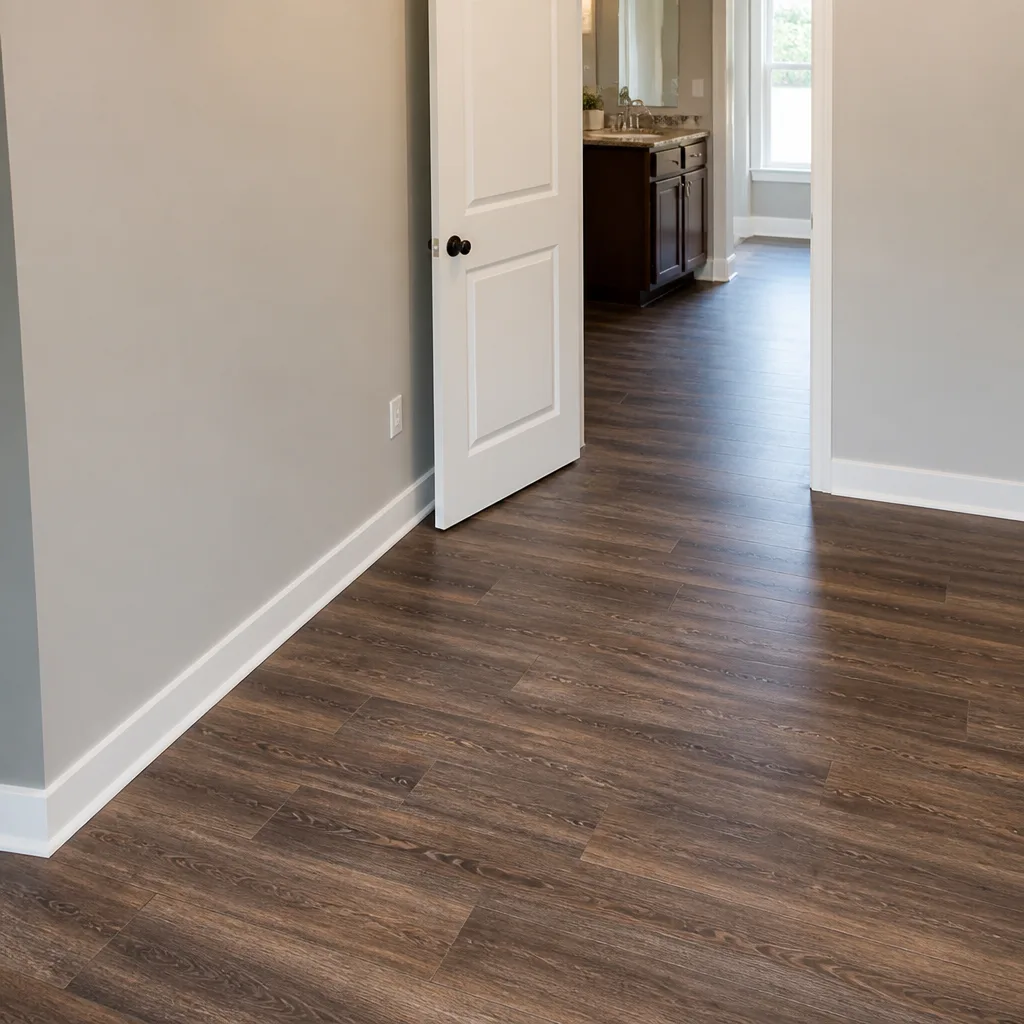

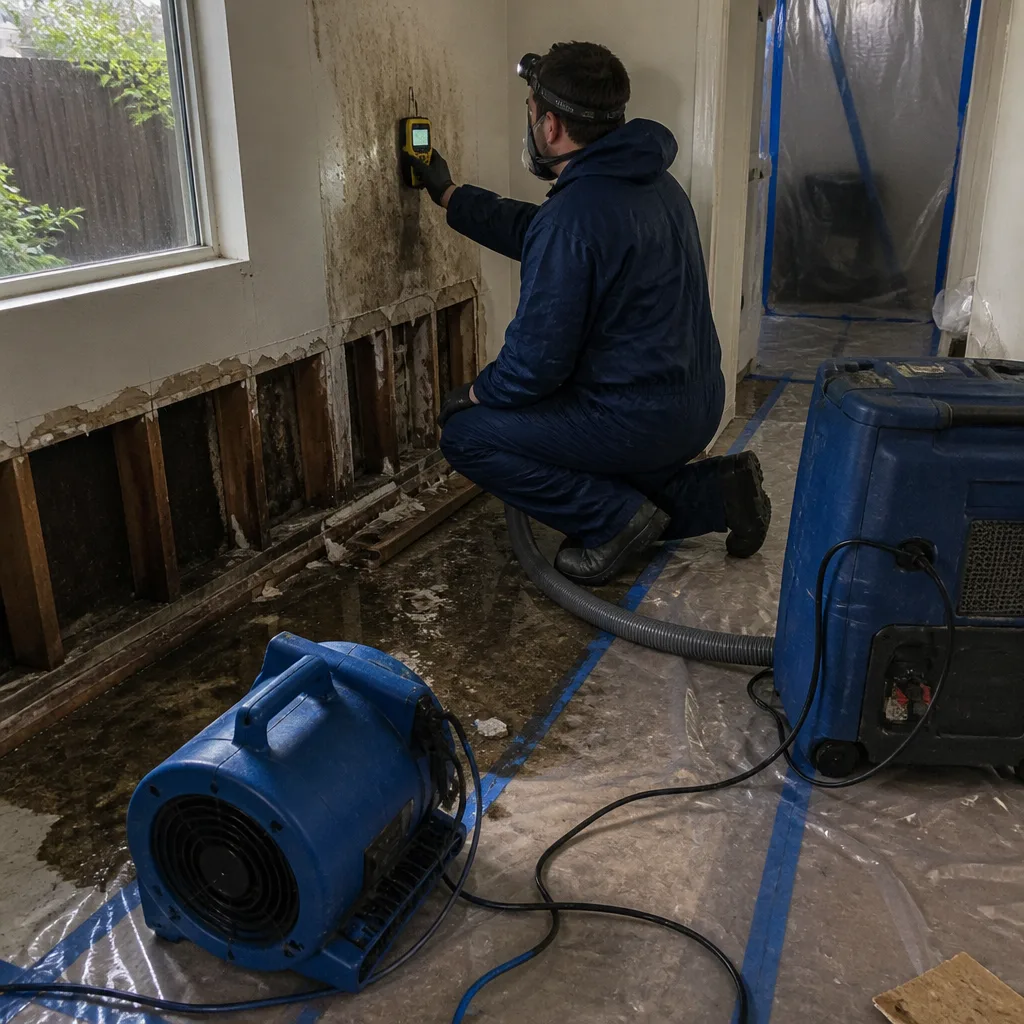 Before
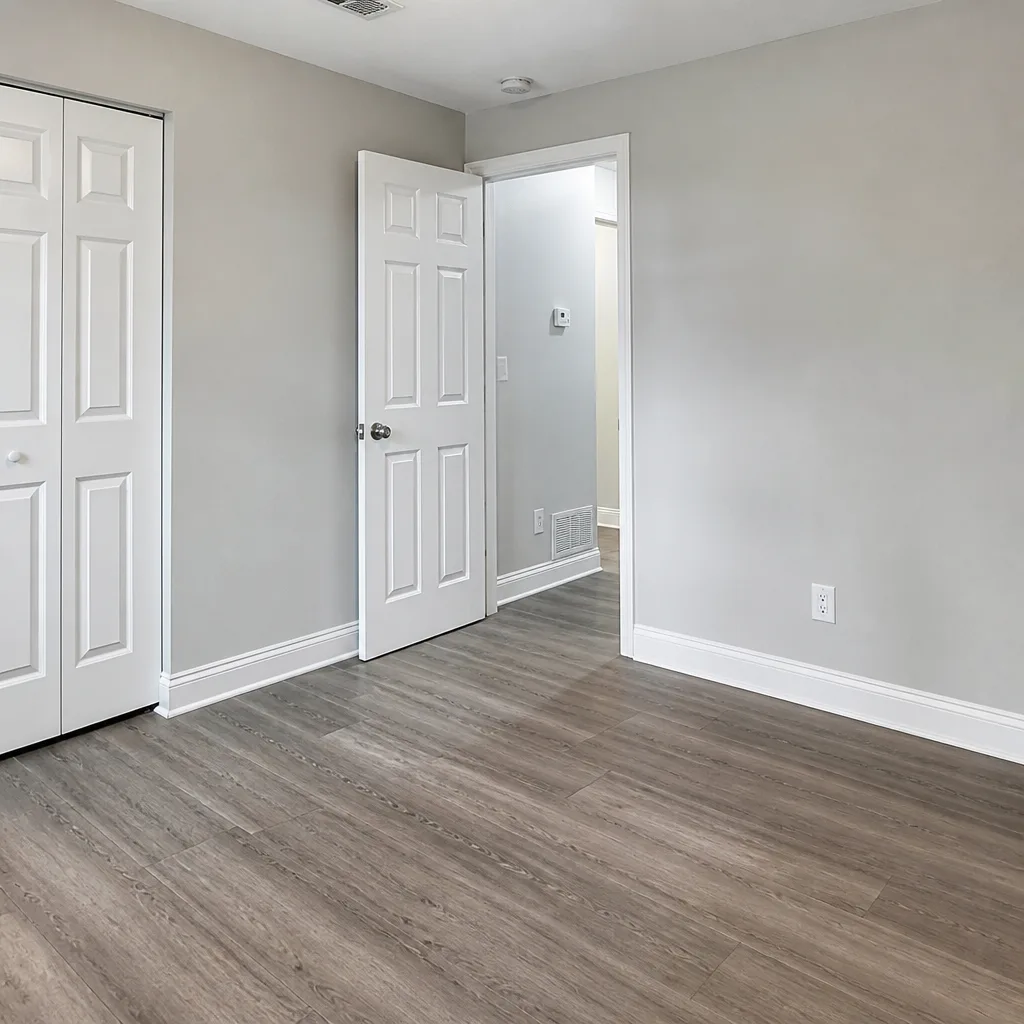 After
After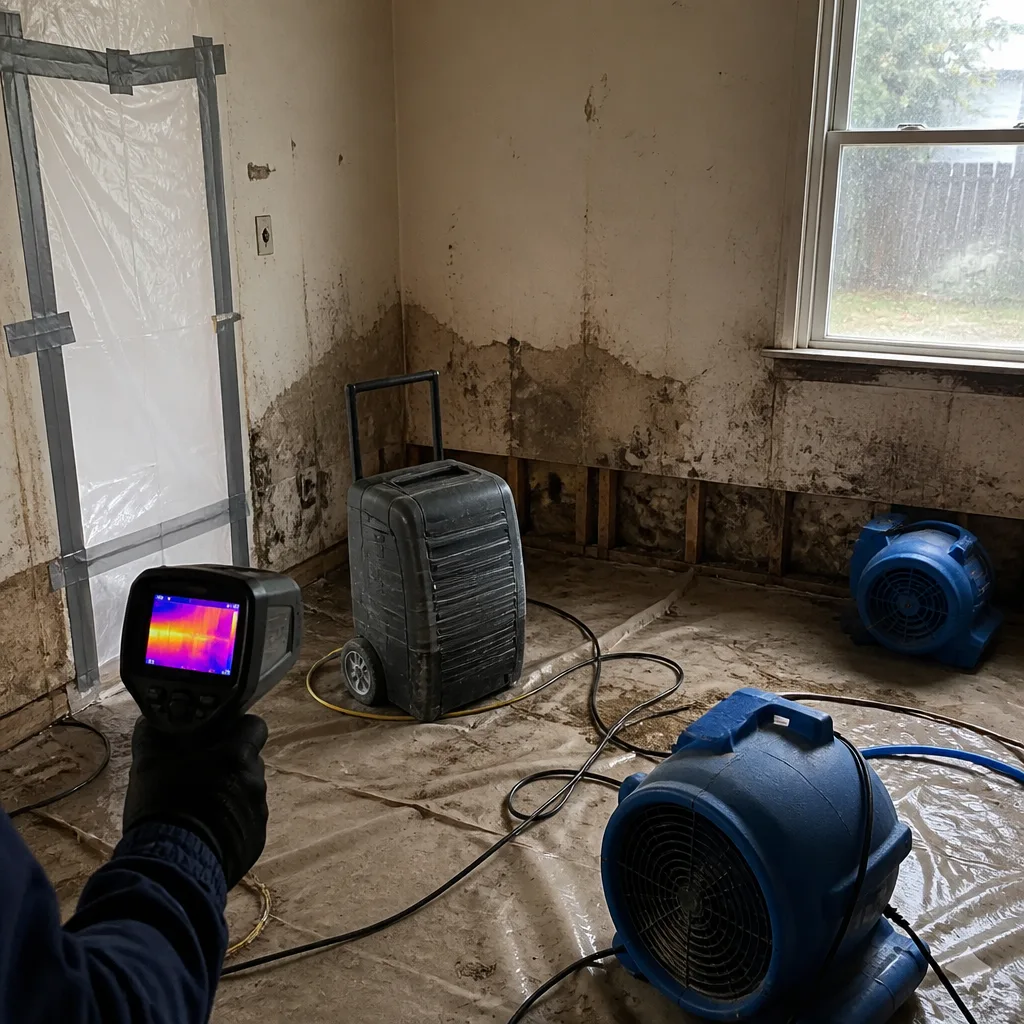 Before
 After
After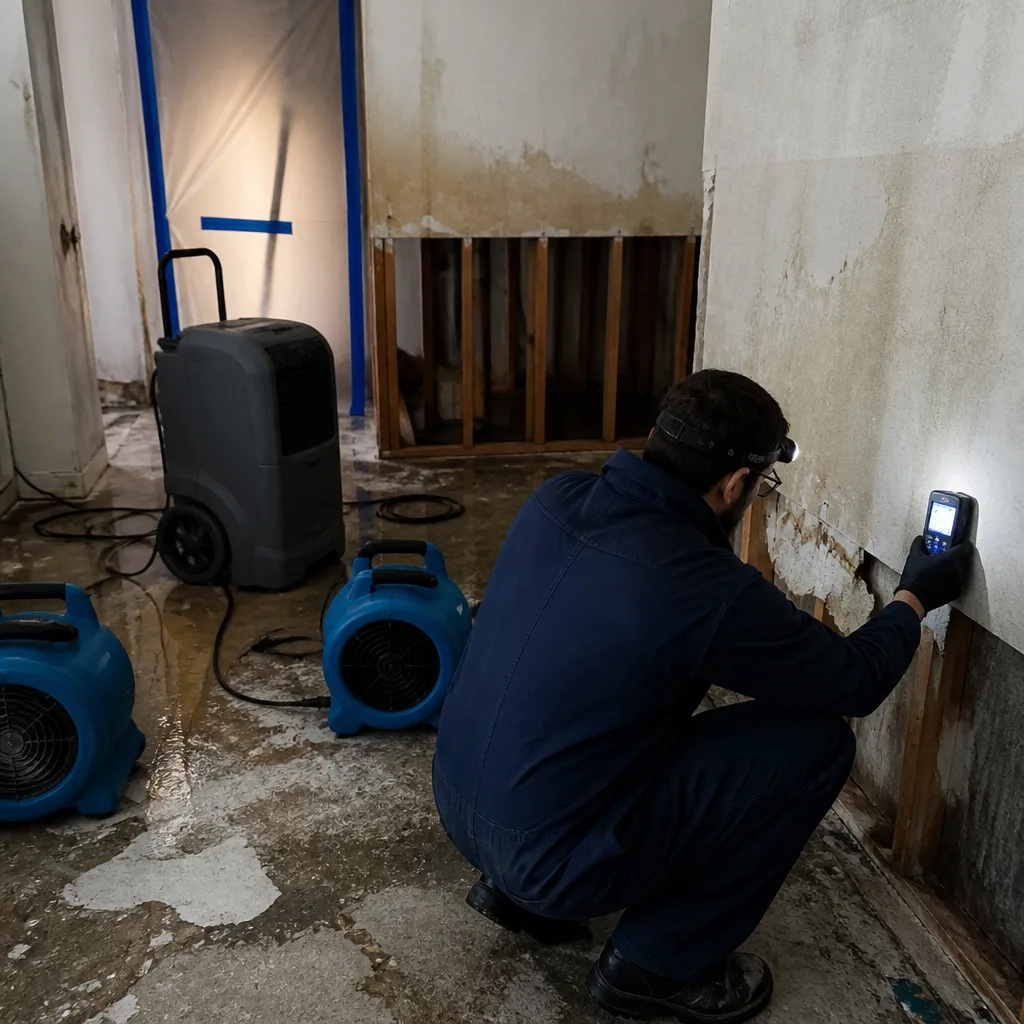 Before
 After
AfterDIY vs Professional Damage Restoration: The Fort Lauderdale Homeowner’s Decision Guide
A Fort Lauderdale homeowner self-dried a Category 1 bathroom leak with rented fans from the Home Depot on Federal Highway. The drying worked. The tile was dry to the touch. Six months later, their insurer denied $11,000 of a mold remediation claim because the homeowner had no psychrometric data showing affected materials reached IICRC S500 drying goals before reconstruction began. In Florida’s claims environment, undocumented mitigation is treated the same as no mitigation. This guide shows exactly where DIY ends and professional documentation begins, what that documentation costs, and how to tell which side of the line your situation falls on. For more guides & resources, see our blog.
Quick Answer
DIY damage restoration in Fort Lauderdale is defensible only for Category 1 water losses under 10 square feet with no structural materials affected and no insurance claim involved. In every other scenario, including any loss where you intend to file an insurance claim or sell your home within five years, professional mitigation is necessary because Florida insurers and buyers require documented proof of drying completion that only IICRC-certified technicians with calibrated equipment can produce. See our step-by-step guide on how to hire a damage restoration contractor in Fort Lauderdale for what to look for.
Table of Contents
- Where DIY Water Damage Restoration Actually Works
- Where DIY Becomes a Legal and Financial Liability
- The Documentation Gap: Why Insurers Deny Undocumented Mitigation
- DIY vs Professional: Real Cost Comparison in Fort Lauderdale
- Florida’s Mold Disclosure Law and Your DIY Drying Job
- Consumer Equipment vs Professional-Grade Drying Systems
- What a Professional Documentation Package Contains
- Common Mistakes to Avoid
- When to Call a Professional
- Frequently Asked Questions
- The Bottom Line
 Before
 After
AfterWhere DIY Water Damage Restoration Actually Works
We have seen homeowners in Fort Lauderdale handle small water losses successfully. The key is knowing the exact boundary where DIY stops being prudent and starts being risky. We define that boundary with four conditions that must all be true.
- Category 1 water only. This is clean water from a supply line, ice maker, or overflowing sink with no contaminants. Category 2 (gray water) or Category 3 (black water, including any sewage or ground water intrusion) requires professional handling under IICRC standards for health and safety reasons.
- Less than 10 square feet of affected area. This is roughly a 3×3 foot zone. Anything larger means water has likely traveled to wall cavities, under baseboards, or into subflooring where you cannot see it.
- No structural materials involved. The water sat on top of tile, sealed vinyl, or other non-porous surfaces. It did not reach drywall, insulation, wood subflooring, or wall studs. In Fort Lauderdale’s humidity, water wicks into drywall within hours.
- No insurance claim intended. If you will not file a claim, you do not need documentation an insurer will accept. This is the most important condition. The moment insurance enters the picture, DIY documentation becomes a liability.
Even within these boundaries, Fort Lauderdale’s climate creates complications, which is why seasonal damage restoration care matters year-round. Our average relative humidity hovers near 75% year-round, with summer months pushing 85%. A homeowner in Coral Ridge running a rented dehumidifier in July is fighting against air that is already nearly saturated. Consumer dehumidifiers extract 30-50 pints per day. Professional-grade Dri-Eaz and Phoenix units extract 100-130 pints per day under the same conditions. The math matters.
If all four conditions are met, DIY is genuinely defensible. Buy a consumer moisture meter for $40-$60, document readings with photos showing date stamps, and keep the equipment running 48 hours after surfaces feel dry. For a full breakdown of what professionals check, see our water damage restoration maintenance checklist for Fort Lauderdale homeowners. But understand what you are not getting: a Certificate of Satisfactory Drying, IICRC-certified technician sign-off, or any document an insurer will accept as proof of completed mitigation.
Where DIY Becomes a Legal and Financial Liability
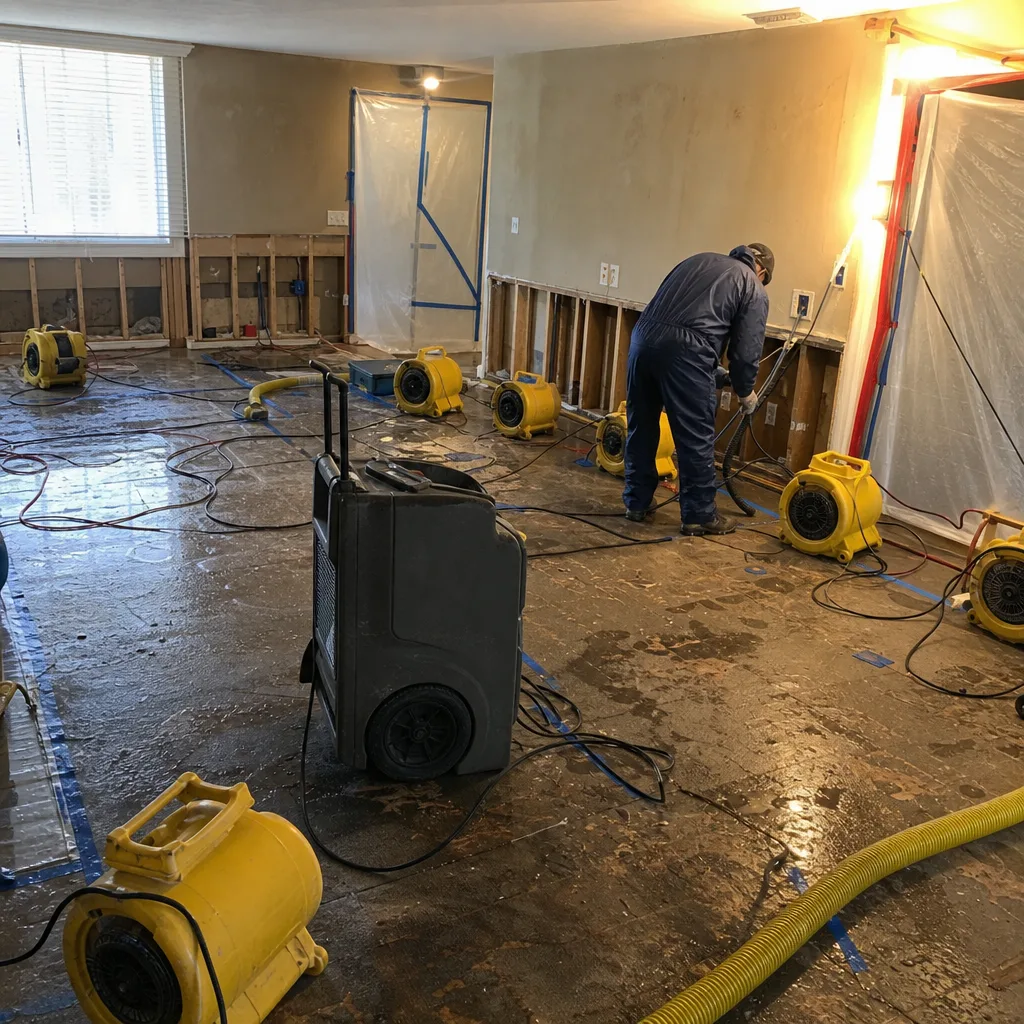
Five scenarios turn DIY from savings into exposure. We have documented each of these in claims files across Fort Lauderdale.
Scenario 1: Any insurance claim is filed or anticipated.
Florida insurers have tightened requirements since the 2022-2023 litigation reforms. Adjusters now routinely request drying logs, equipment placement diagrams, and moisture content readings taken with calibrated instruments. A homeowner with a $50 moisture meter from Amazon cannot produce this. The result is partial or full denial of mitigation coverage, leaving the homeowner to pay professional remediation costs out of pocket after already spending money on DIY equipment.
Scenario 2: Water reached wall cavities or subflooring.
In Victoria Park, we regularly see 1920s bungalows with original plaster and lath walls that wick water horizontally for feet. In Harbor Beach, post-war concrete block construction with furring strips creates voids where water travels unseen. A homeowner cannot assess cavity moisture without a penetrating moisture meter or thermal imaging camera. Surface dryness means nothing.
Scenario 3: Mold growth is visible or suspected.
Florida’s mold disclosure law (s. 404.056) requires sellers to disclose known mold. A DIY drying job with no documentation creates ambiguity about what was “known.” If mold appears later, the seller cannot prove the prior water incident was properly mitigated. This exposure persists for years.
Scenario 4: The loss involves Category 2 or 3 water.
Gray water from dishwashers or washing machines contains detergents and organic material that accelerate microbial growth. Black water from sewage backup or ground flooding contains pathogens requiring professional containment and antimicrobial treatment. These are health hazards, not cleaning projects.
Scenario 5: The home will be sold within five years.
Fort Lauderdale’s real estate market moves fast, but disclosure obligations do not expire. A prior water loss with no professional documentation becomes a material defect claim waiting to happen. The $800 saved on DIY becomes a $15,000 settlement or failed sale.
The Documentation Gap: Why Insurers Deny Undocumented Mitigation
We built DryMark Restoration Fort Lauderdale home around this exact problem. Our founder, Alicia Brennan, spent years as a claims adjuster watching homeowners lose legitimate coverage because their mitigation contractor, or their own DIY effort, failed to document the work to IICRC S500 standards.
The S500 standard specifies that affected materials must reach equilibrium moisture content within 3 percentage points of an unaffected reference material in the same structure. This is not a suggestion. It is the threshold that separates completed mitigation from ongoing damage. Without proof this threshold was met, an insurer can argue that subsequent mold, warping, or structural deterioration resulted from incomplete drying, not from the original loss.
A professional documentation package includes:
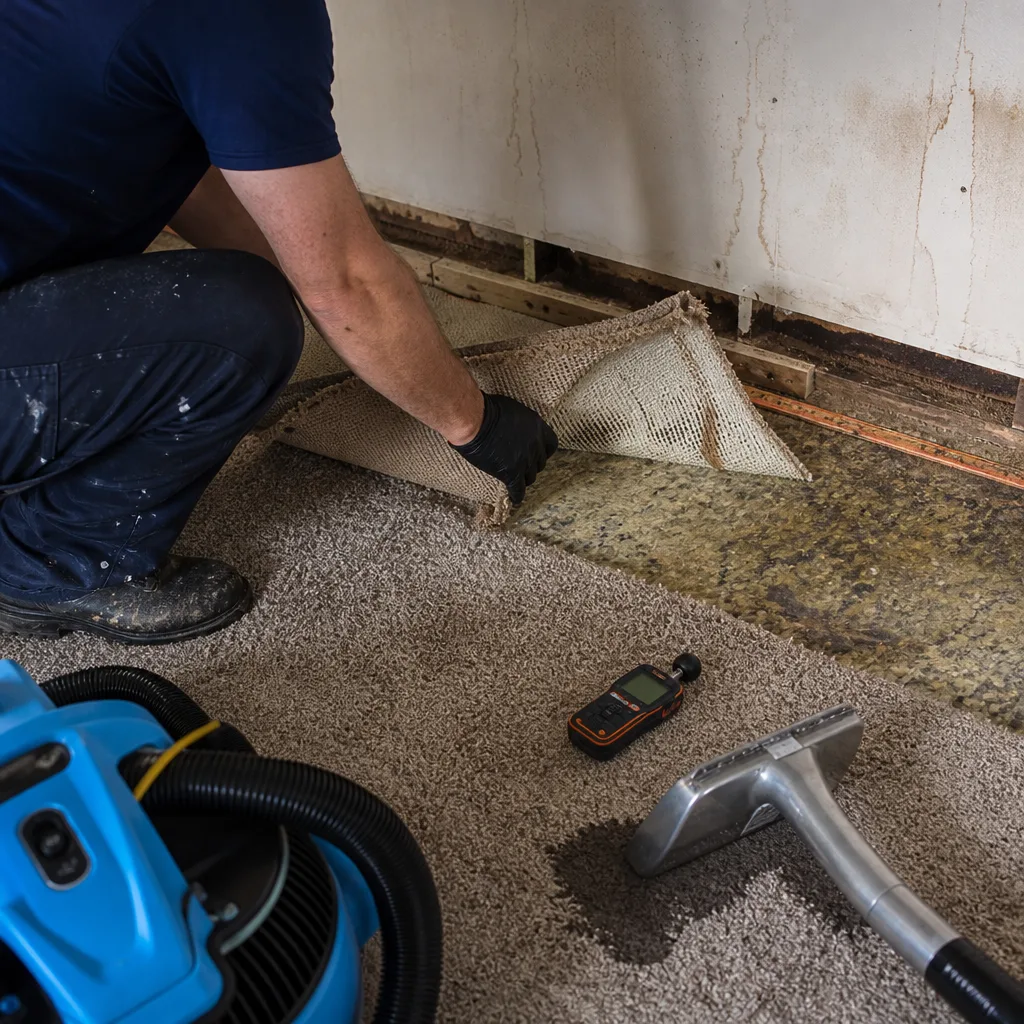
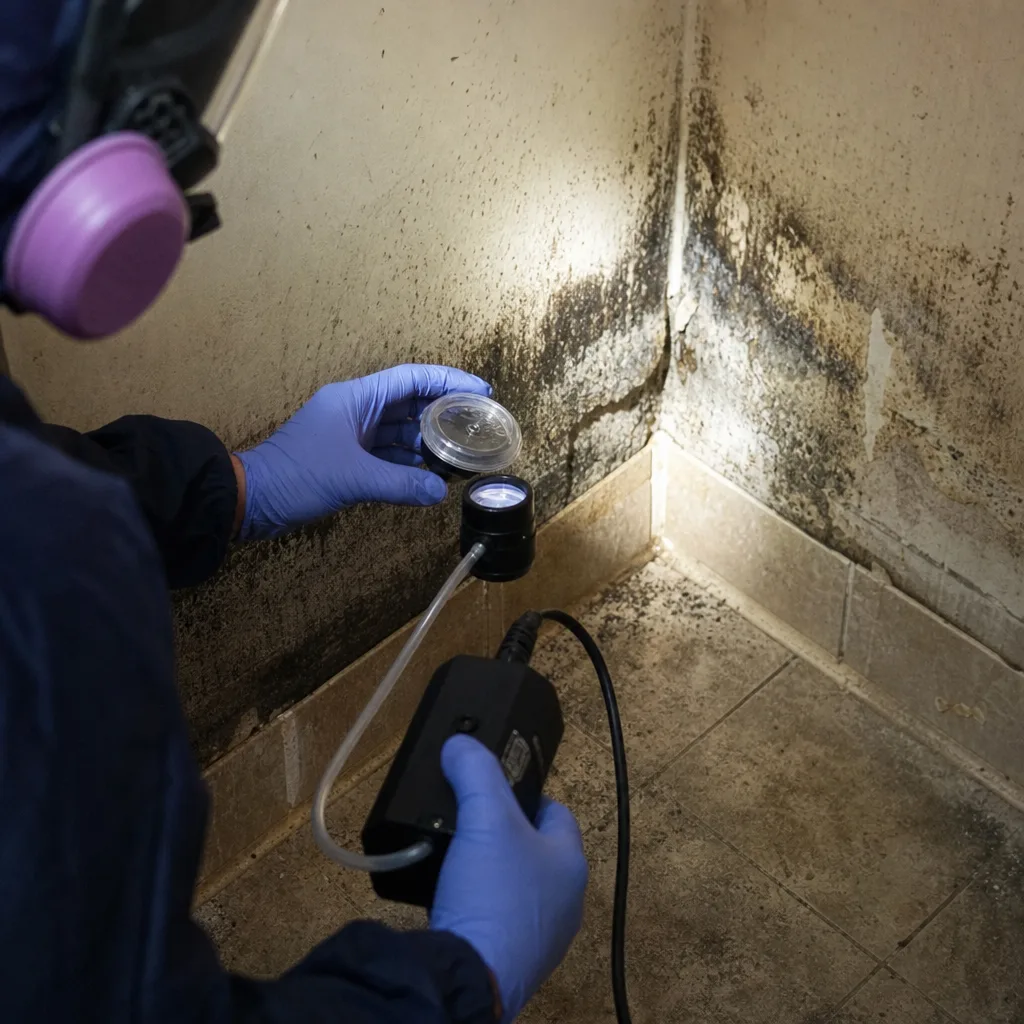
- Initial moisture mapping with calibrated penetrating and non-penetrating meters
- Daily psychrometric data: temperature, relative humidity, and specific humidity readings
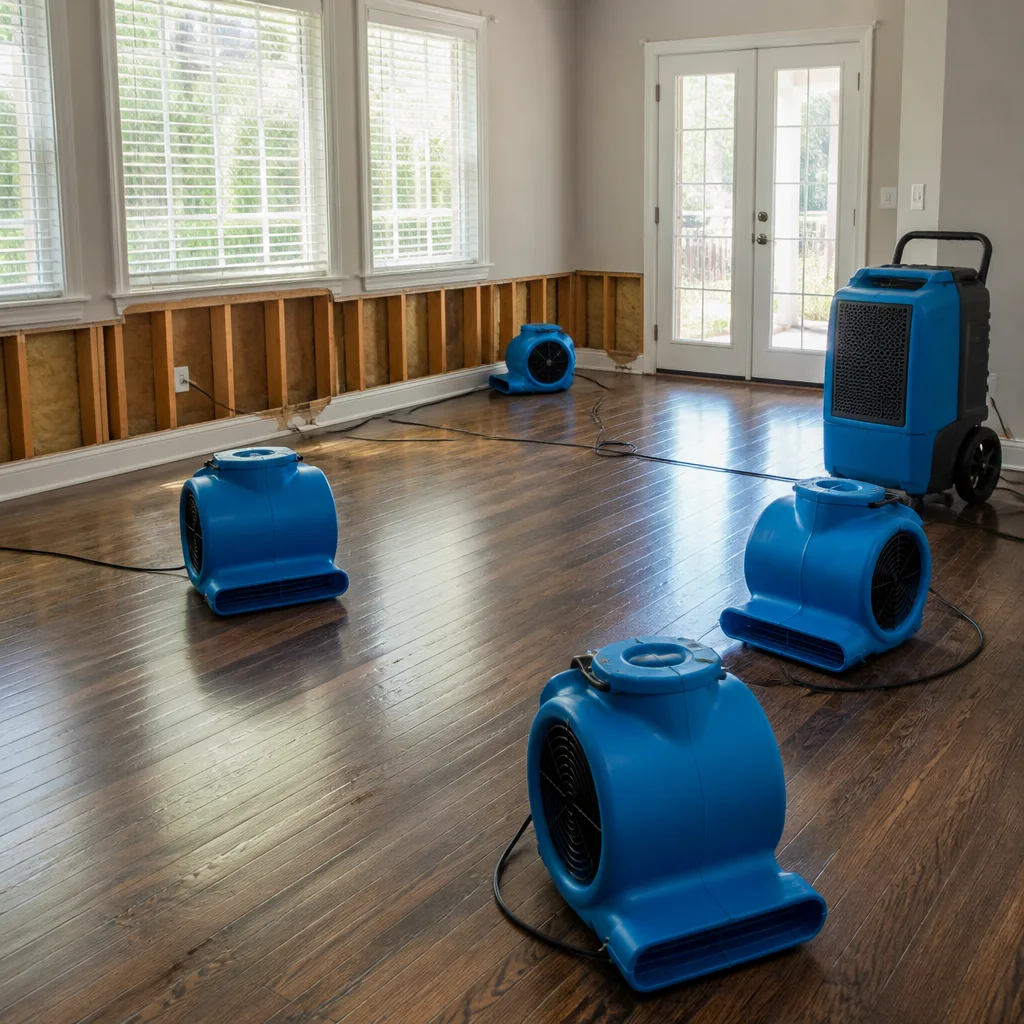
- Equipment placement diagrams showing air mover and dehumidifier positions
- Vapor pressure differential calculations showing moisture movement from materials to air
- Daily moisture content readings for each affected material until drying goals are achieved
- IICRC-certified technician sign-off on completion
Psychrometric data, in plain terms, is the measurement of how much moisture air can hold at a given temperature and how fast it is absorbing moisture from wet materials. Vapor pressure differential is the engine that drives drying: the difference between the moisture pressure in wet materials and the moisture pressure in the surrounding air. Professional technicians calculate this to position equipment for maximum efficiency. A homeowner with a rented fan cannot produce this data, and no insurer will accept “it felt dry” as proof of completion.
In Fort Lauderdale’s market, where water losses from tropical systems, plumbing failures, and high-rise leaks are common, insurers have seen too many claims where undocumented drying led to secondary damage. They have responded by requiring documentation that only professional mitigation produces.
DIY vs Professional: Real Cost Comparison in Fort Lauderdale
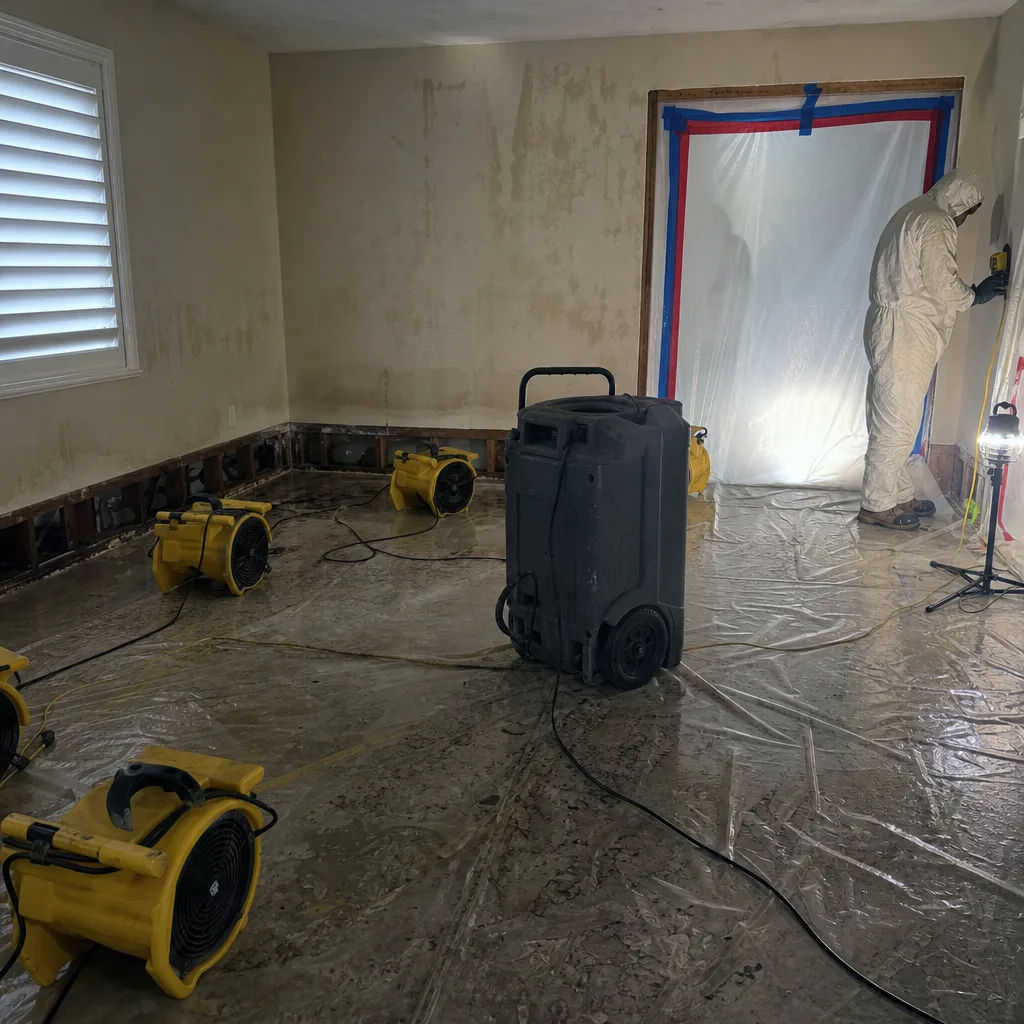
We believe in naming prices. Haven Standard, Clause 1 requires a written price before work begins, and that applies to our own transparency as well.
DIY Equipment Rental Costs (Fort Lauderdale Market, 2024-2025)
| Equipment | 5-Day Rental Range | Source |
|---|---|---|
| Commercial dehumidifier (70-100 pint) | $180-$260 | Home Depot, Sunbelt Rentals |
| Air mover / carpet fan | $25-$40 each | Home Depot, United Rentals |
| Moisture meter (purchase) | $40-$120 | Consumer retail |
| Wet/dry shop vacuum (rental or purchase) | $35-$80 | Home Depot, Lowe’s |
| Total typical DIY setup | $340-$480 | - |
Professional Mitigation Costs for Equivalent Scope
| Scenario | Professional Range | What Drives Cost |
|---|---|---|
| Category 1, under 50 SF, no structural materials | $800-$1,400 | Minimum service charge, equipment, monitoring |
| Category 1, 50-150 SF, drywall affected | $1,800-$3,200 | Wall cavity drying, Injectidry system, daily monitoring |
| Category 2, any size | $2,500-$5,000+ | Antimicrobial treatment, contents handling, documentation |
| Category 3 or sewage | $4,000-$8,000+ | Containment, PPE, disposal, health department coordination |
The math favors DIY only in the smallest Category 1 losses with no insurance claim and no structural involvement. At 50 square feet with drywall affected, the professional premium over DIY is roughly $1,400-$2,700. But that premium buys documentation that protects a claim worth tens of thousands, and it eliminates the risk of secondary mold growth that costs $15,000-$30,000 to remediate in Fort Lauderdale’s climate.
For losses where insurance is involved, the comparison is not DIY cost versus professional cost. It is DIY cost plus potential uncovered secondary damage versus professional cost that is typically covered, documented, and defensible.
Florida’s Mold Disclosure Law and Your DIY Drying Job
Florida statute 404.056 requires sellers to disclose known mold in residential real property. The word “known” creates the legal exposure.
A professional mitigation company provides a Certificate of Satisfactory Drying and a final clearance report. These documents establish what was found, what was done, and what the verified outcome was. A DIY job produces none of this. If mold appears two years later, the prior water incident becomes a “known” condition that was not properly addressed. The seller cannot prove the drying was completed to standard. The buyer’s attorney does not need to prove the DIY job failed; they only need to show that no documentation exists to prove it succeeded.
We have reviewed files for Fort Lauderdale homeowners in Rio Vista and Las Olas Isles who faced exactly this situation. In one case, a $2,400 DIY drying effort on a dishwasher leak led to a $22,000 mold remediation and a failed home sale when the buyer’s inspector found elevated moisture in wall cavities. The homeowner’s insurer denied the mold claim because the original loss was never professionally documented as completed.
The disclosure obligation runs with the property, not with the owner. Even if you sell and move, a subsequent buyer can pursue a claim if the defect was not disclosed. The documentation you skip today becomes a liability that can surface years later.
Consumer Equipment vs Professional-Grade Drying Systems
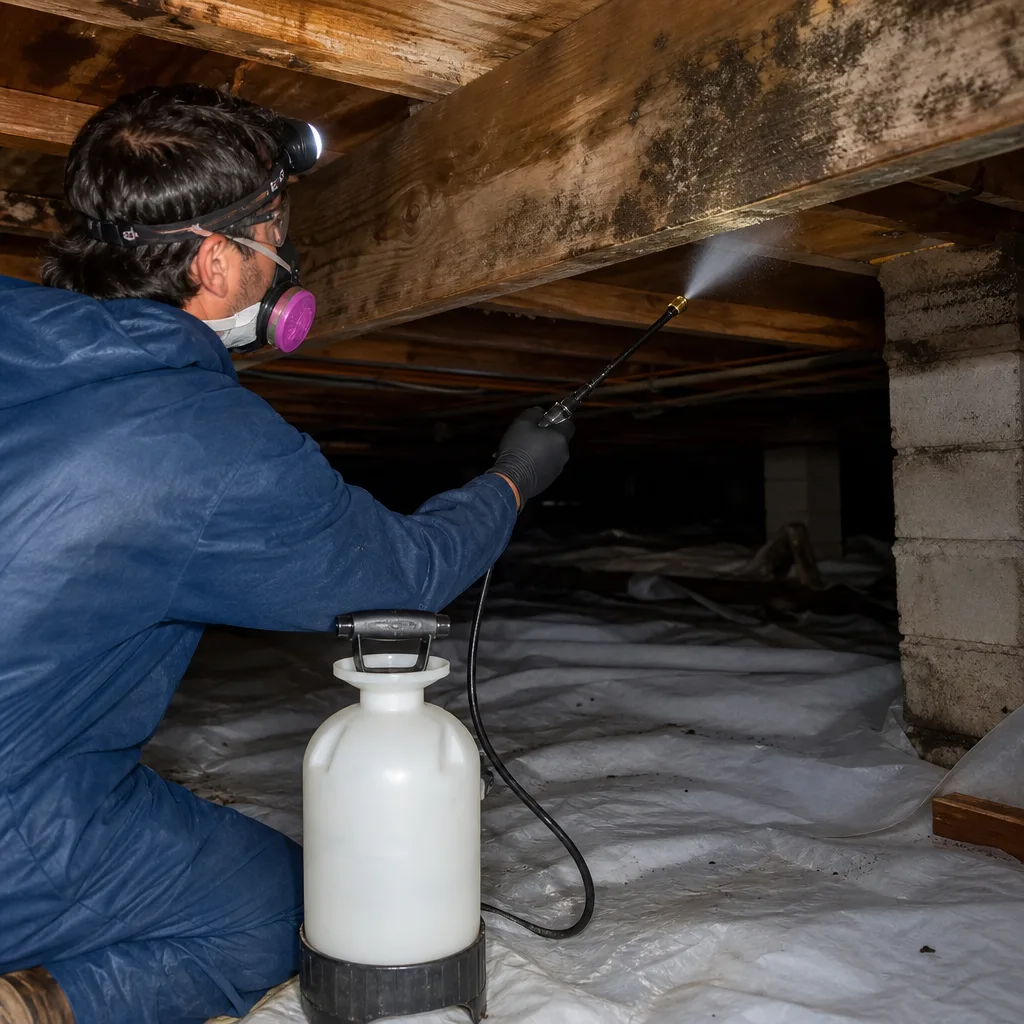
Equipment specification matters because it determines whether drying goals are achievable in Fort Lauderdale’s climate, and whether the data produced is admissible in an insurance dispute.
Consumer-grade equipment:
- Dehumidifiers: 30-50 pints/day extraction at 80°F, 60% RH. Efficiency drops sharply above 70% RH, which is Fort Lauderdale’s baseline for half the year.
- Air movers: 1,600-2,500 CFM (cubic feet per minute). Single speed, no directional control.
- Moisture meters: $40-$120 units with uncalibrated sensors. Readings vary by manufacturer and cannot be traced to NIST standards.
Professional-grade equipment (Dri-Eaz, Phoenix, XPOWER, B-Air, Injectidry):
- Low-grain refrigerant dehumidifiers: 100-130 pints/day extraction at 80°F, 60% RH. Maintain efficiency to 40% RH, achieving the low specific humidity needed for structural drying.
- Air movers: 2,400-3,600 CFM with multiple speeds and positions. Directed airflow creates laminar flow across wet surfaces, accelerating evaporation.
- Injectidry systems: Forced air drying inside wall cavities and under flooring without demolition. Essential for Fort Lauderdale’s concrete slab and block construction where water travels in voids.
- Calibrated moisture meters: Penetrating and non-penetrating models traceable to NIST standards. Readings are admissible in insurance and legal proceedings.
- Thermal imaging cameras: FLIR or equivalent, detecting temperature differentials that reveal hidden moisture behind finishes.
The critical difference is not just power. It is measurement. Professional equipment produces data. Consumer equipment produces dry surfaces. In Florida’s claims environment, data is what gets paid.
What a Professional Documentation Package Contains
At Water Damage Restoration in Fort Lauderdale, every job produces the same documentation package, whether the loss is 50 square feet or 5,000. This is The Haven Standard in practice.
- Written scope and price before work begins. Haven Standard, Clause 1. No exceptions. The homeowner signs before equipment is placed.
- Photo record on every visit. Date-stamped, geotagged, stored in the job file. Not an upsell. A standard deliverable.
- Initial moisture mapping. Every affected material, every room, with readings from calibrated meters. Unffected reference materials documented for comparison.
- Daily drying log. Psychrometric data, equipment readings, moisture content progress, and technician observations. This is the document that turns restoration invoices into payable claims.
- Equipment placement diagram. Shows air mover and dehumidifier positions, airflow direction, and any Injectidry or specialized drying system deployment.
- IICRC-certified technician sign-off. Verification that drying goals were achieved per S500 standards.
- Certificate of Satisfactory Drying. The document insurers accept as proof of completed mitigation. Required before reconstruction coverage is approved.
- 365-Day Done Right Promise. Haven Standard warranty. If it’s not done right, we make it right. Written, signed, not verbal.
A DIY effort cannot replicate this package. The homeowner lacks the equipment, the training, and the third-party certification. The result is not just a gap in documentation; it is a gap in defensibility that exposes the homeowner to claim denials, mold liability, and failed real estate transactions.
We also provide a Free Second Opinion on any competitor’s written estimate. Bring another company’s scope and we will review it at no charge. This is not a sales tactic. It is a direct result of seeing homeowners in Fort Lauderdale accept incomplete scopes that left them exposed.
Common Mistakes to Avoid
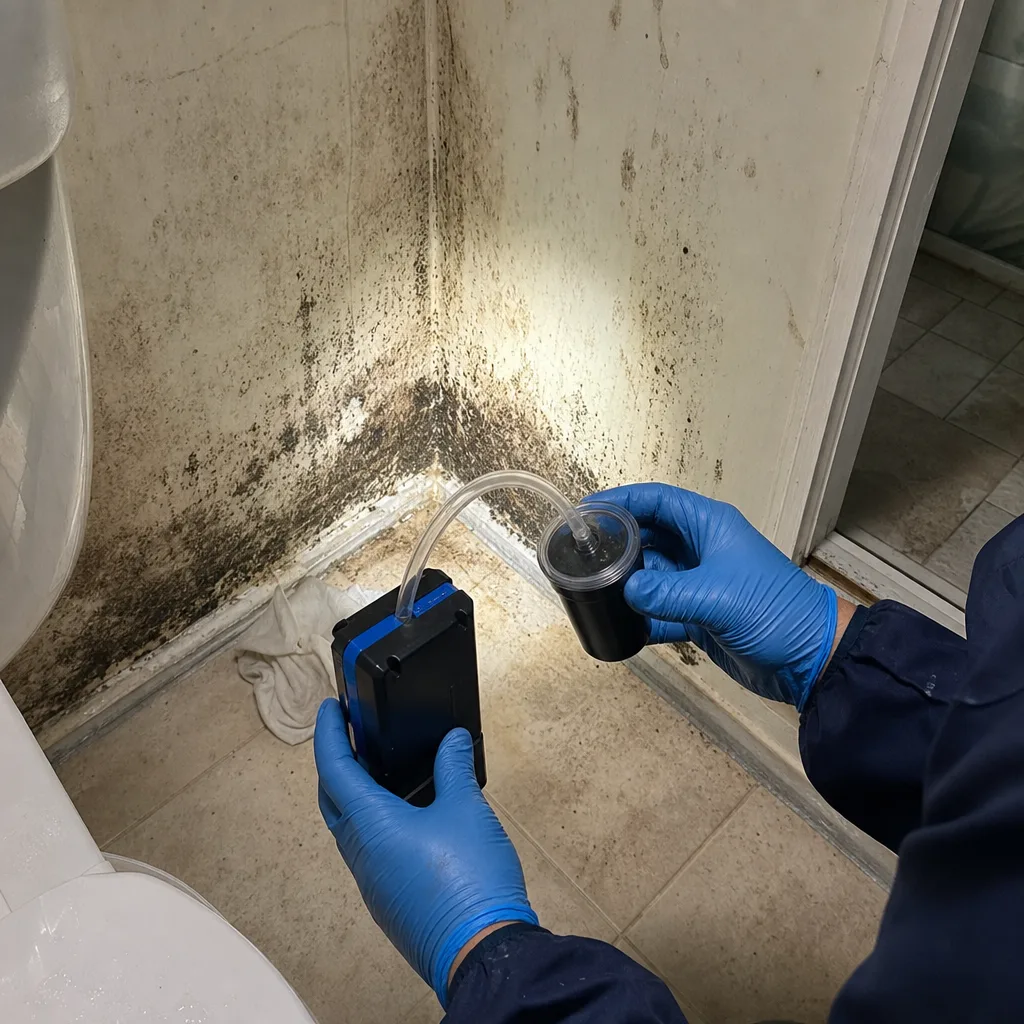
- Renting equipment and returning it when surfaces feel dry. In Fort Lauderdale humidity, surfaces feel dry while materials behind them remain wet. Run equipment 48 hours after readings show goal attainment, not after touch tests.
- Using bleach on mold. Bleach does not penetrate porous materials and can worsen the problem by adding moisture. In Florida’s climate, this is a reliable path to recurring growth.
- Failing to document with date-stamped photos. Even in small DIY jobs, photos are your only record. Without them, you cannot prove when the loss occurred or what was done.
- Ignoring musty odors after drying. Odor indicates microbial volatile organic compounds, meaning growth is active. In Fort Lauderdale’s warm climate, this signals a problem that will escalate.
- Assuming insurance will cover secondary damage from incomplete DIY drying. Insurers routinely deny these claims. The burden of proof is on the policyholder to show mitigation was completed to standard.
- Not checking wall cavities in concrete block construction. Fort Lauderdale’s prevalent building type creates voids where water collects. Surface drying leaves cavities wet for weeks.
- Waiting to call a professional until mold is visible. By then, the scope has expanded and the documentation gap has widened. Early professional involvement controls both cost and exposure.
When to Call a Professional
Call a professional when any of these are true: the water is Category 2 or 3; the affected area exceeds 10 square feet; structural materials are involved; you intend to file an insurance claim; mold is visible or suspected; or you may sell the home within five years. In Fort Lauderdale’s climate and legal environment, these are not cautious recommendations. They are the boundary between controlled cost and unmanaged exposure.
DryMark Restoration Fort Lauderdale offers free estimates in Fort Lauderdale. Call (754) 254-1257. A live person answers every call, 24 hours a day, 7 days a week. No voicemail trees. We will provide a written price before any work begins, documented to IICRC, RIA, and IFA standards, backed by our 365-Day Done Right Promise under The Haven Standard.
Frequently Asked Questions
Professional mitigation for a typical Category 1 loss affecting 50-150 square feet with drywall involvement runs $1,800-$3,200 in the Fort Lauderdale market. Category 2 or 3 losses, or any loss requiring wall cavity drying with Injectidry systems, start at $2,500 and can exceed $5,000 depending on contamination level and affected square footage. Call (754) 254-1257 for a written estimate with no obligation - estimates are free.
Most Florida insurers will not accept DIY mitigation as proof of completed drying. They require IICRC-certified technician sign-off, calibrated moisture readings, and a Certificate of Satisfactory Drying. Without these, secondary damage claims are routinely denied. If you have already started DIY work, document everything with date-stamped photos and call us for a professional assessment before closing walls or filing a claim.
Our live dispatch answers calls 24 hours a day, 7 days a week. For active water losses, we typically deploy within 60-90 minutes in Fort Lauderdale proper, including neighborhoods from Coral Ridge to Victoria Park to Harbor Beach. Response time matters because water continues migrating until extraction begins. Call (754) 254-1257 and a live person will confirm current availability.
Visible mold on a hard surface in an area under 10 square feet can sometimes be addressed with proper cleaning and moisture control. But visible mold is often the tip of a larger problem in wall cavities or HVAC systems. In Fort Lauderdale’s humidity, surface cleaning without addressing the moisture source reliably leads to recurrence. We offer a Free Second Opinion on any written estimate if you want professional verification of the scope.
At DryMark Restoration Fort Lauderdale, we coordinate directly with your adjuster. Our documentation package - daily drying logs, photo records, equipment placement diagrams, and IICRC-certified completion reports - is formatted specifically for claims review. We have worked with adjusters across Florida’s major carriers and understand what documentation speeds approval. You are not left to translate technical reports into claim language.
Our 365-Day Done Right Promise under The Haven Standard covers this. If mold appears within one year and our documentation shows the original drying goals were achieved, we investigate whether a new moisture source developed. If our work did not meet standard, we make it right at no charge. This is a written guarantee, not a verbal assurance. The key distinction from DIY: we have documentation to determine what happened, and a contractual obligation to respond.
The Bottom Line
The DIY versus professional decision in Fort Lauderdale is not about whether you can run a shop vac. It is about whether your drying job will produce documentation that an insurer, a buyer, or a court will accept. In four narrow scenarios - Category 1, under 10 square feet, no structural materials, no insurance claim - DIY is genuinely defensible. In every other case, the money saved on equipment rental becomes liability exposure that multiplies.
Florida’s claims environment has shifted. Undocumented mitigation is treated as no mitigation. Mold disclosure laws create long-tail liability. And Fort Lauderdale’s climate ensures that incomplete drying will reveal itself, usually at the worst possible time. Professional mitigation is not a luxury in this market. It is documentation insurance that protects the larger investment in your home.
Call (754) 254-1257 for a free estimate. Written price before work begins. Photo record on every visit. 365-Day Done Right Promise. The Haven Standard, every time.
Written by Alicia Brennan, Owner at DryMark Restoration Fort Lauderdale, serving Fort Lauderdale since 2011.