
Last updated September 23, 2026
Free visual inspection and a written scope of work before any mitigation begins - photos, moisture readings, and drying logs go in your claim file
The scope we write is the scope we bill. Anything new gets shown to you, in writing, before we touch it.


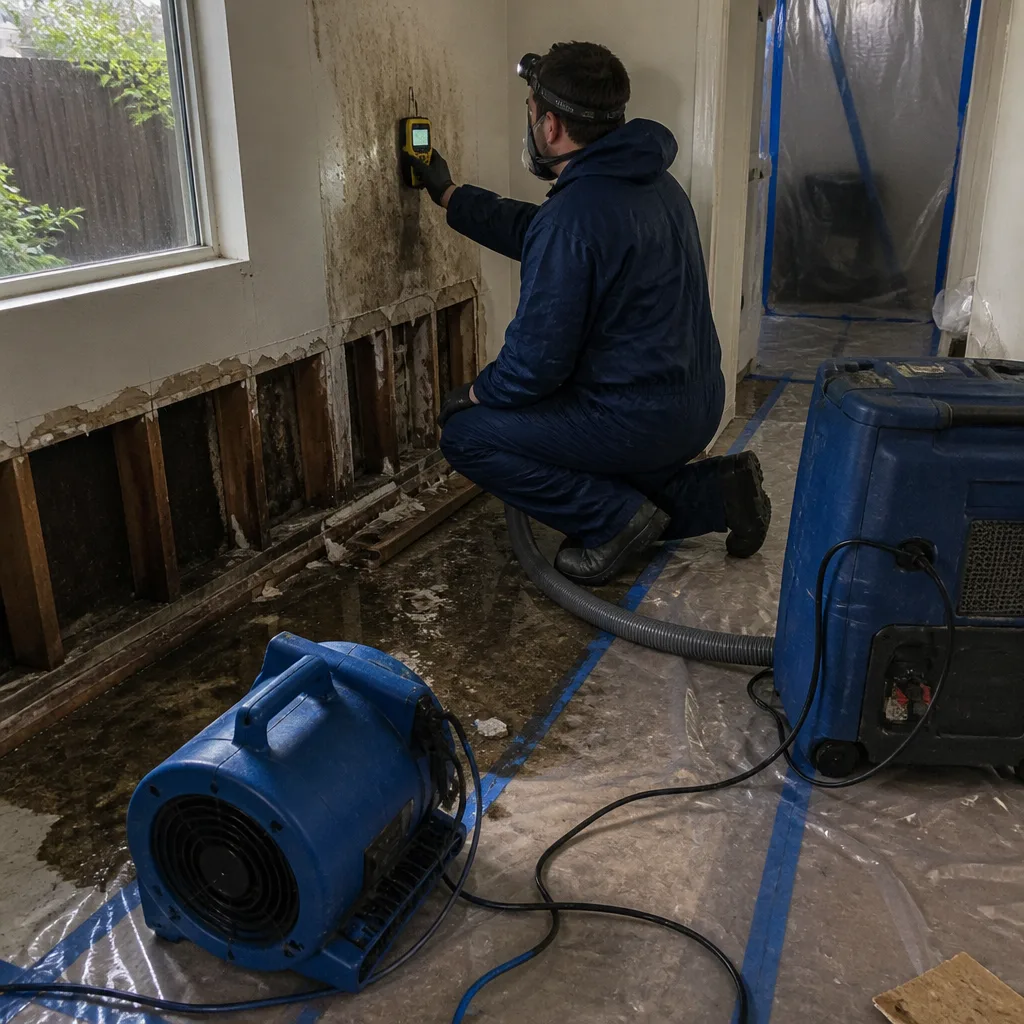 Before
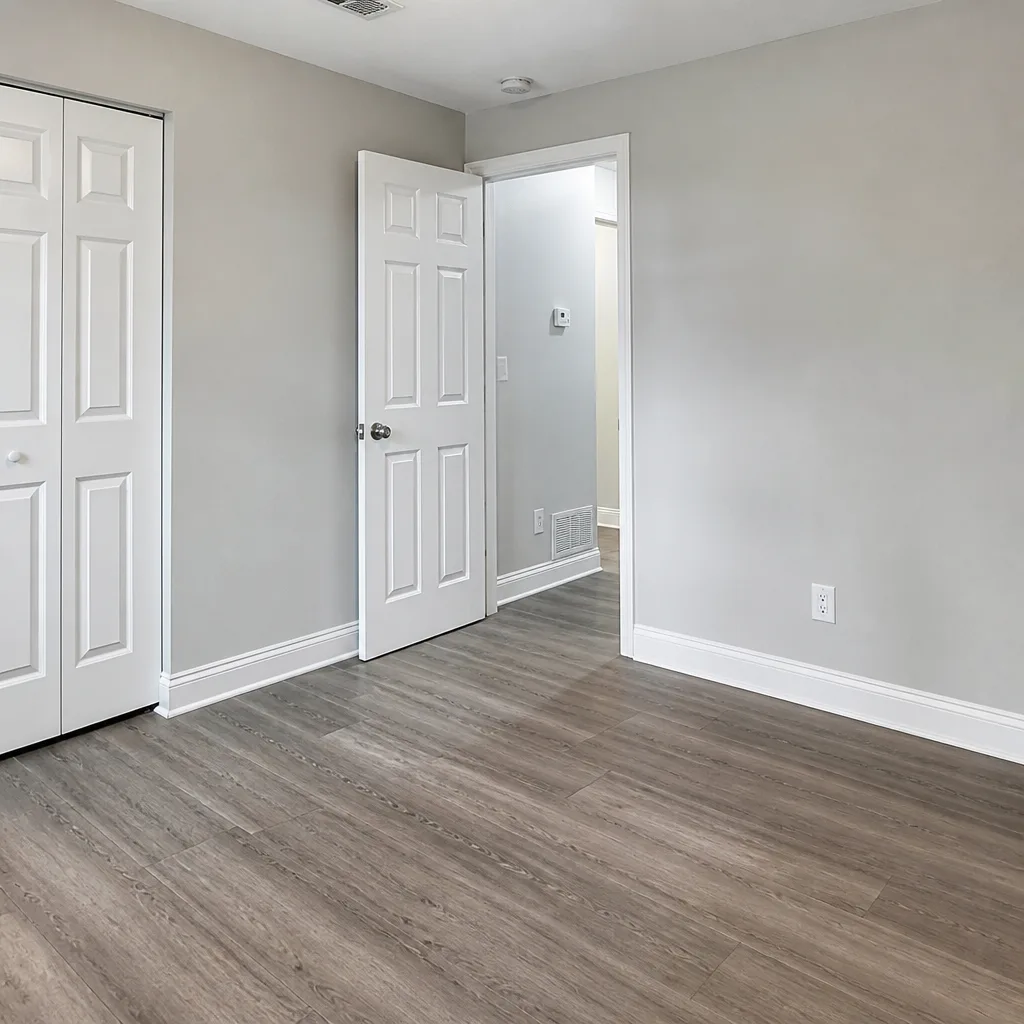 After
After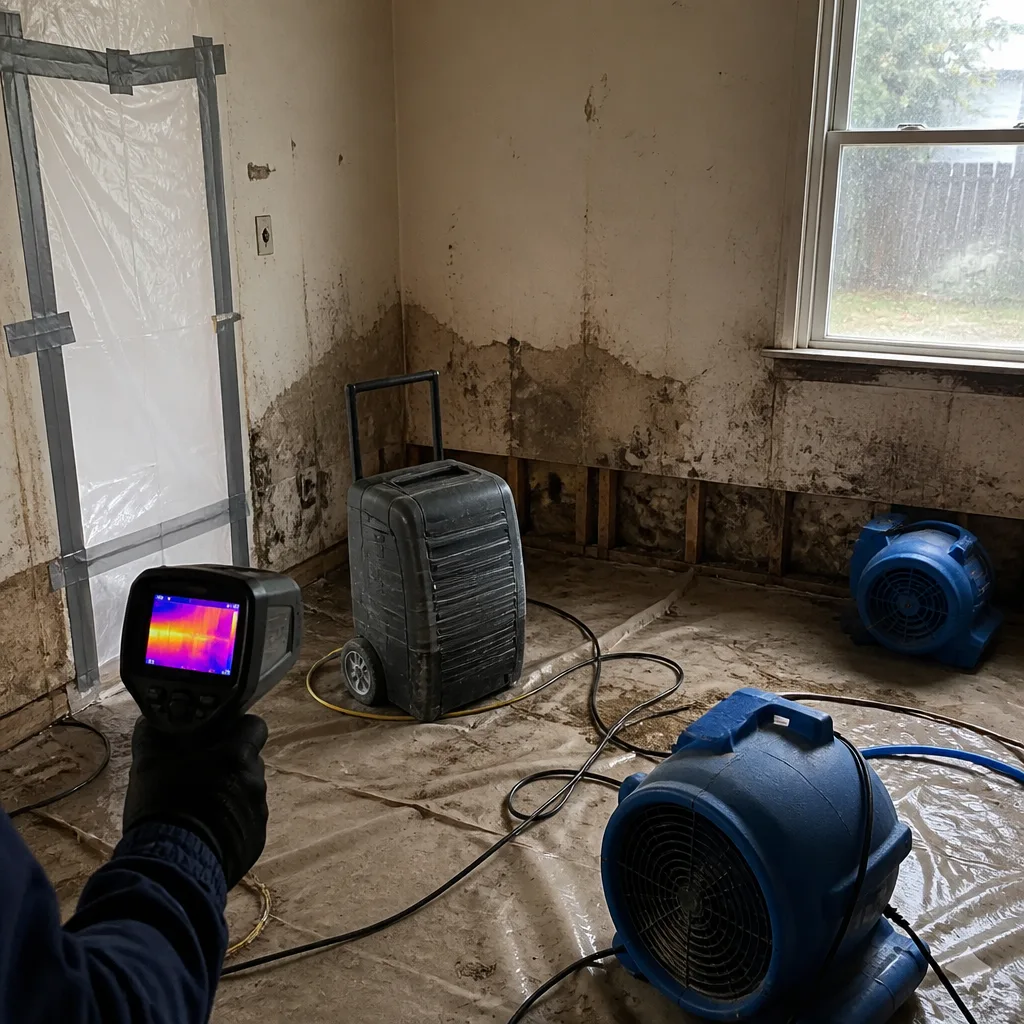 Before
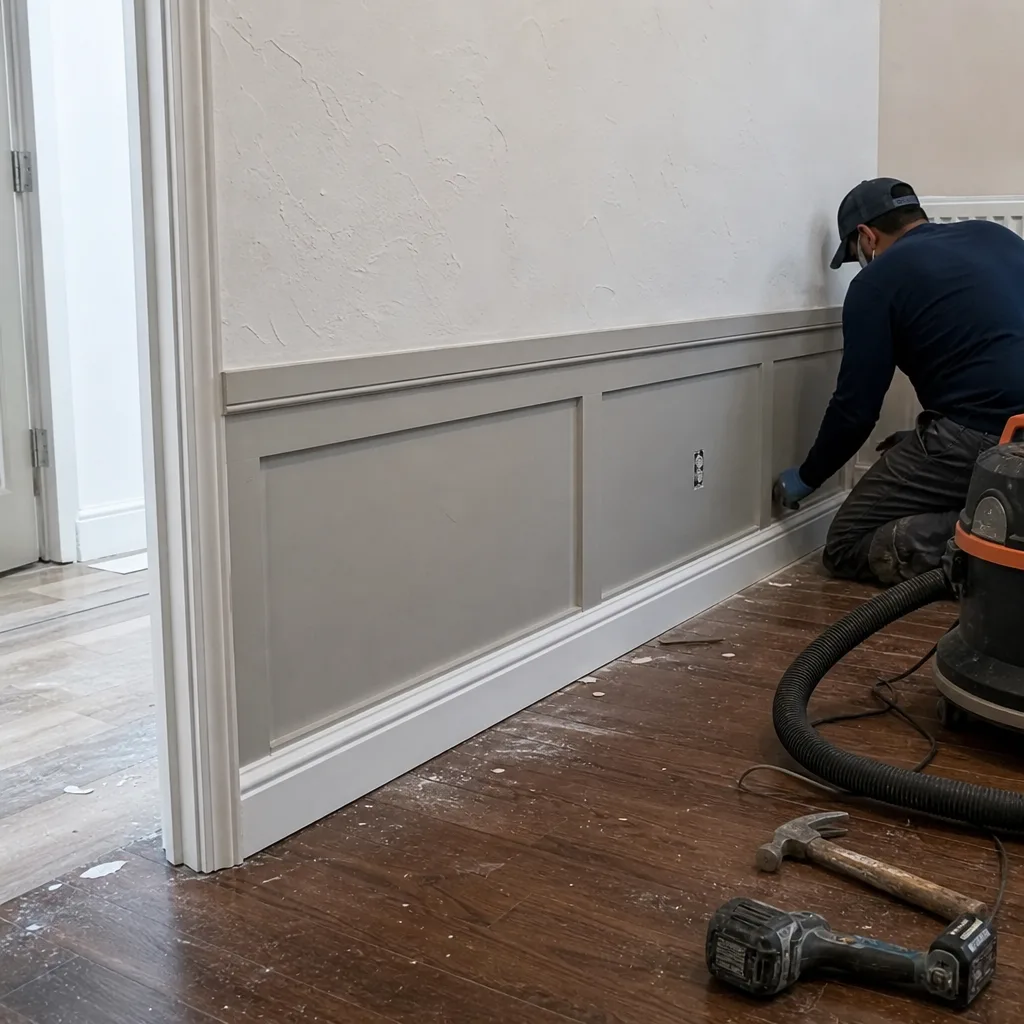 After
After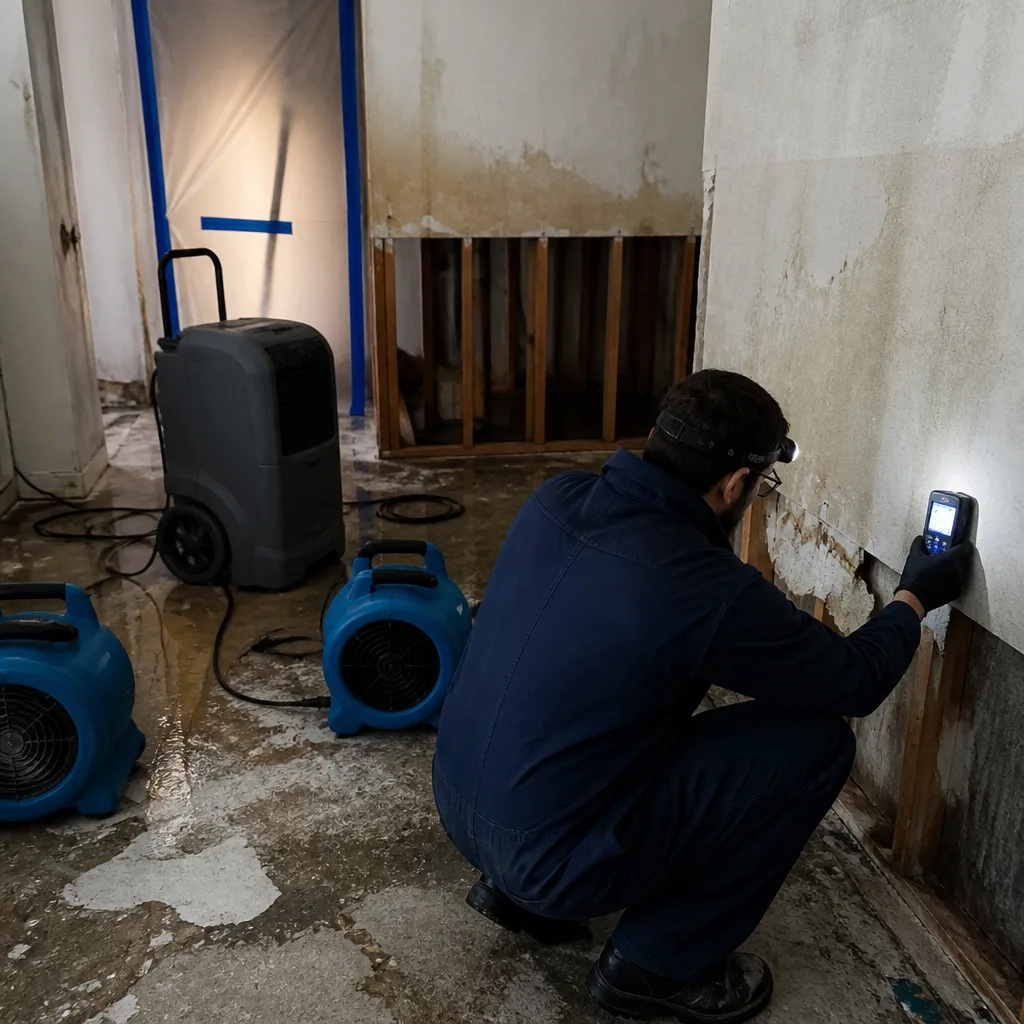 Before
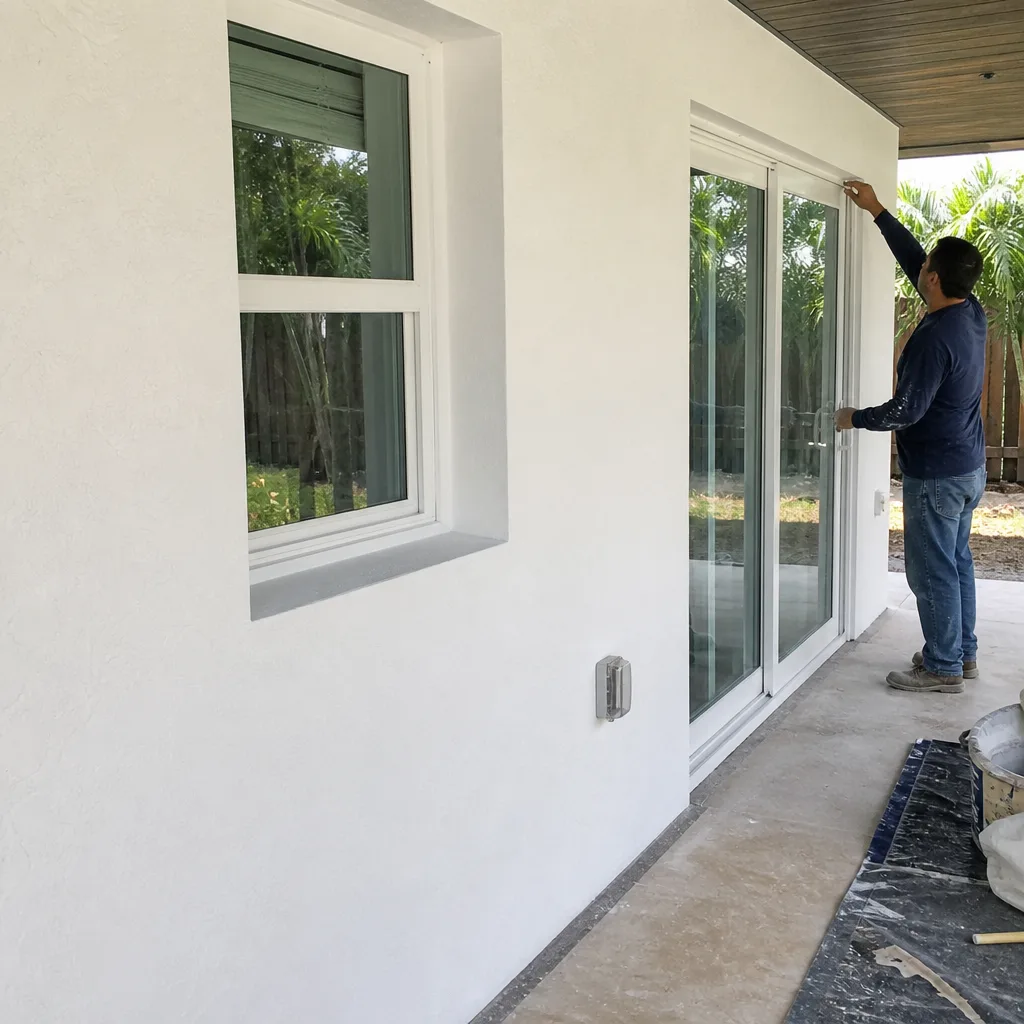 After
AfterSeasonal Damage Restoration Care for Fort Lauderdale: Year-Round Homeowner’s Guide
February is statistically Fort Lauderdale’s driest month. It’s also the month we field the most calls from homeowners who’ve just discovered mold colonies that have been active for six months or longer. The winter humidity inversion here drops interior relative humidity into the low 40s, which pushes moisture meter readings below the 16% wood-moisture threshold that would normally trigger concern. The mold doesn’t stop growing. It just becomes invisible to standard detection until June’s saturated air blows it back above threshold. In Fort Lauderdale, seasonal home maintenance isn’t about four seasons. It’s about two damage seasons with radically different inspection protocols, and our Complete Guide to Damage Restoration in Fort Lauderdale will show you exactly what to do in each one.
Quick Answer
Fort Lauderdale homes need two distinct seasonal maintenance protocols: a pre-hurricane documentation window from April through May that establishes baseline moisture readings and photo records before storm season opens, and a dry-season thermal imaging window from December through March that exploits lower ambient humidity to reveal hidden moisture behind walls. Year-round protection requires fixed monitoring points, written documentation, a professional moisture map updated twice annually, and our Water Damage Restoration Maintenance Checklist for Fort Lauderdale Homeowners.
Table of Contents
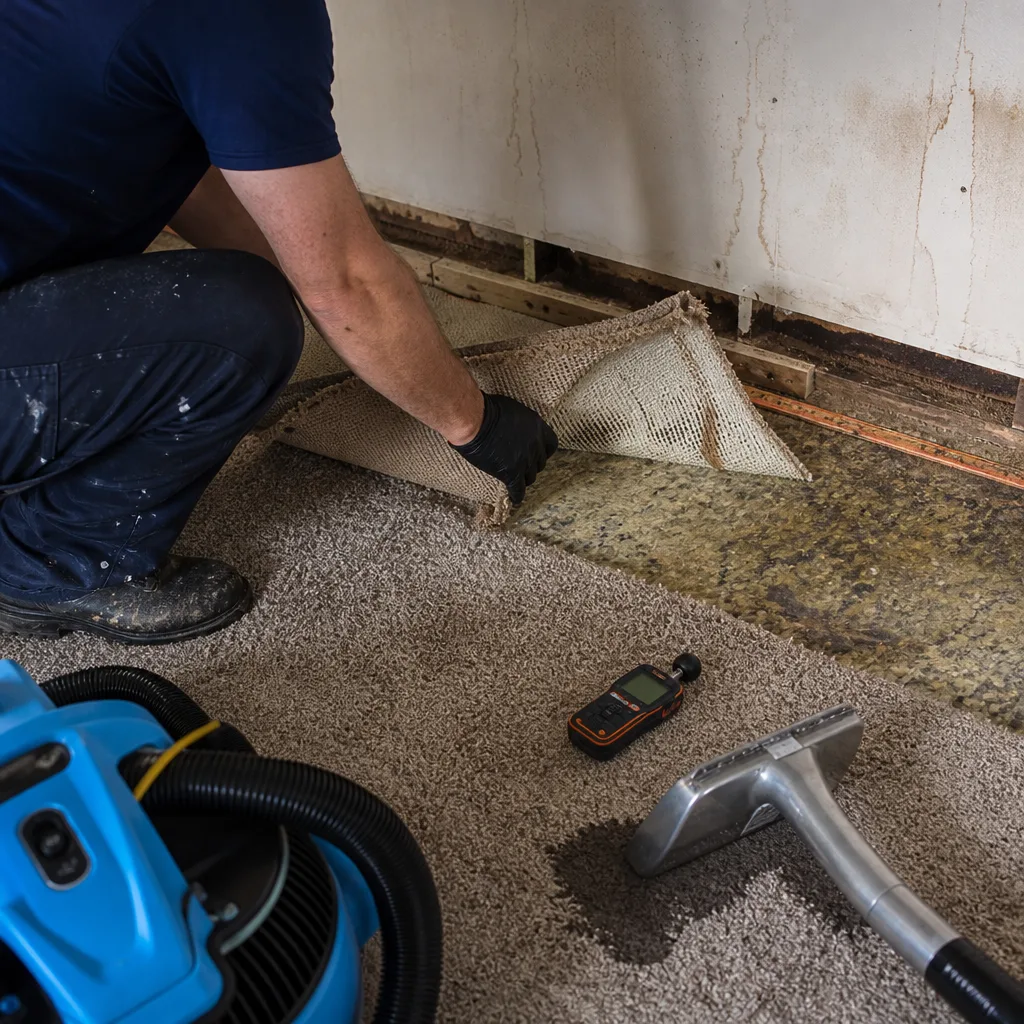
- Why Fort Lauderdale Has Two Damage Seasons, Not Four
- Pre-Hurricane Season Protocol: April-May Baseline Documentation
- Active Storm Season Protocol: June-November
- Dry Season Inspection Protocol: December-March
- How Fort Lauderdale’s Sea-Breeze Patterns Affect Moisture Accumulation
- Building Your Month-by-Month Moisture Log
- What Professional-Grade Documentation Looks Like
- Common Mistakes to Avoid
- When to Call a Professional
- Frequently Asked Questions
- The Bottom Line
 Before
 After
AfterWhy Fort Lauderdale Has Two Damage Seasons, Not Four
Most seasonal home maintenance guides import a four-season framework that doesn’t survive first contact with South Florida’s climate. Fort Lauderdale operates on a binary moisture calendar: the Atlantic hurricane window from June through November, when water enters homes violently and obviously, and the dry-season humidity inversion from December through May, when water enters slowly and hides.
The numbers tell the story. Average relative humidity in Fort Lauderdale peaks at 76% in September and drops to 67% in February. That nine-point spread doesn’t sound dramatic until you understand how vapor pressure differential works. In September, the exterior air is so saturated that moisture moves into wall cavities slowly, if at all. In February, the sharp differential between cool, dry interior air and the still-moist substrate behind stucco drives evaporation outward, which can actually dry surface readings while leaving deeper moisture intact. A homeowner checking baseboards with a pinless meter in February might see 12% wood moisture and conclude all is well, while the OSB sheathing six inches back reads 22% and supports active fungal growth.
We’ve documented this pattern across hundreds of Fort Lauderdale homes. The colonies discovered in March and April aren’t new. They’re colonies that established during the previous hurricane season, went dormant or invisible through winter, and resumed sporulation when spring humidity crossed back above 70%. The homeowner who treats February’s low readings as a clean bill of health is the homeowner calling us in June with visible bloom and a denied insurance claim for long-term damage.
The inspection protocol must change with the season. What works in October fails in January. Below, we detail the specific procedures for each Fort Lauderdale damage season, with the temperature differentials, meter settings, and documentation standards that make the findings defensible to an adjuster.
Pre-Hurricane Season Protocol: April-May Baseline Documentation
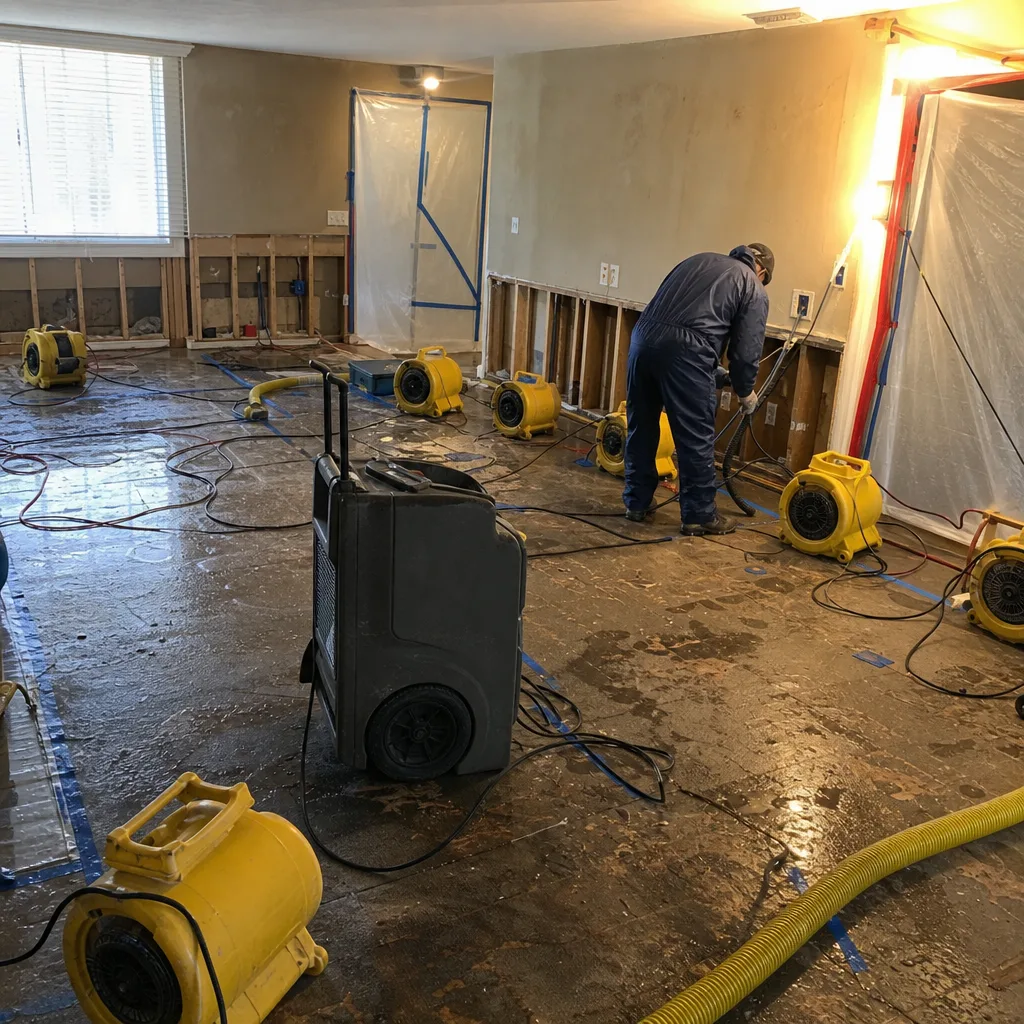
April in Fort Lauderdale is preparation month. The Atlantic hurricane season opens June 1, but the practical window for baseline documentation closes when the first named storm enters the Gulf. Here’s what a defensible pre-season protocol includes.
Step 1: Moisture Mapping of All Exterior Walls
Using a calibrated pinless moisture meter, record readings at 24-inch intervals along every exterior wall, from floor to ceiling. In Fort Lauderdale’s concrete block and stucco construction, focus on the base of walls where slab moisture wicks upward, and on any wall with a history of plumbing penetration. Document the meter make, model, and calibration date. We use meters traceable to NIST standards, with annual calibration certificates available on request.
Critical locations in Fort Lauderdale homes:
- North-facing masonry walls, which receive less solar drying and show elevated readings 30% more frequently than south-facing equivalents
- Walls adjacent to irrigation systems, particularly where spray heads have been adjusted without checking for building overspray
- Any wall with prior stucco patching, which often indicates previous moisture intrusion that may have recurred
- Garage-to-living-space shared walls, where unconditioned garage air meets cooled interior space and creates condensation zones
Step 2: Roof Deck Inspection with Infrared
Schedule thermal imaging of the attic or roof deck during late afternoon, when the roof has absorbed maximum solar load and the interior is air-conditioned. The temperature differential should exceed 15°F for the scan to be diagnostic. In April, Fort Lauderdale’s afternoon roof temperatures typically reach 140°F while attic air sits at 85°F, creating ideal conditions.
What to document: every anomaly showing more than 5°F variation from surrounding substrate, photographed in both thermal and visual spectrum with the camera’s GPS tagging active. Mark each anomaly’s location on a roof plan. This becomes your comparison baseline if wind-driven rain enters during storm season.
Step 3: Crack and Repair Documentation
Photograph every existing crack in stucco, every repaired area, every window seal, and every door threshold. Date-stamp each image. Store copies off-site. When Hurricane Ian’s predecessor bands hit Fort Lauderdale in September 2022, homeowners with pre-storm photo documentation settled their claims 40% faster than those without, according to our claims data. Adjusters can dispute whether a crack is new or old. They cannot dispute a dated photograph.
Step 4: Written Scope of Pre-Season Condition
Compile all readings, images, and observations into a single document. At DryMark Restoration Fort Lauderdale, we provide this as a standard deliverable for any pre-season inspection. Haven Standard, Clause 1 applies: the written price for this documentation package is delivered before any work begins. The package includes the moisture map, thermal images with interpretation, a written condition report suitable for insurance filing, and cost breakdown guidance for 2026.
Water Damage Restoration in Fort Lauderdale begins with prevention, but prevention only works if it’s documented.
Active Storm Season Protocol: June-November
Once a named storm enters the forecast cone for Fort Lauderdale, the maintenance protocol shifts from prevention to documentation-in-anticipation. The 48 hours before storm arrival are critical for creating comparison baselines that will matter intensely after the wind and water pass.
Pre-Storm Documentation (48-Hour Window)
- Re-photograph all previously identified vulnerabilities. The same cracks, the same thresholds, the same roof anomalies. Same camera angles when possible. These paired images become the core of any post-storm insurance submission.
- Record moisture readings at your five fixed monitoring points. See the month-by-month log section below for point selection. The reading taken at 6 PM the night before a storm is the only legitimate comparison for a reading taken at 6 PM the night after.
- Document interior contents and their elevations. Photograph furniture, electronics, and stored items with a measuring tape showing height above floor. Flood insurance adjusters require this for content claims.
- Confirm your drainage paths are clear. French drains, gutter downspouts, yard drains to street. Photograph them flowing freely. A clogged drain discovered after flooding becomes a maintenance exclusion on many policies.
During the Storm: What to Record
If safe to do so, note the time when wind-driven rain begins penetrating any opening, when water first appears on floors, and when power is lost. Time-stamped photos of rising water levels are powerful claim documentation. We have seen claims denied because a homeowner could not prove that water entered through a covered opening rather than through gradual seepage excluded by their policy.
Post-Storm: The First 24 Hours
This is when most Fort Lauderdale homeowners make their costliest mistake: they begin cleanup before documenting. The urge is understandable. Water is moving, mold begins colonizing within 48 hours, and the house smells of storm.
But documentation must precede mitigation for insurance purposes. Photograph standing water with a measuring tape showing depth. Photograph water lines on walls. Record moisture readings at your five fixed points. Only then begin water removal.
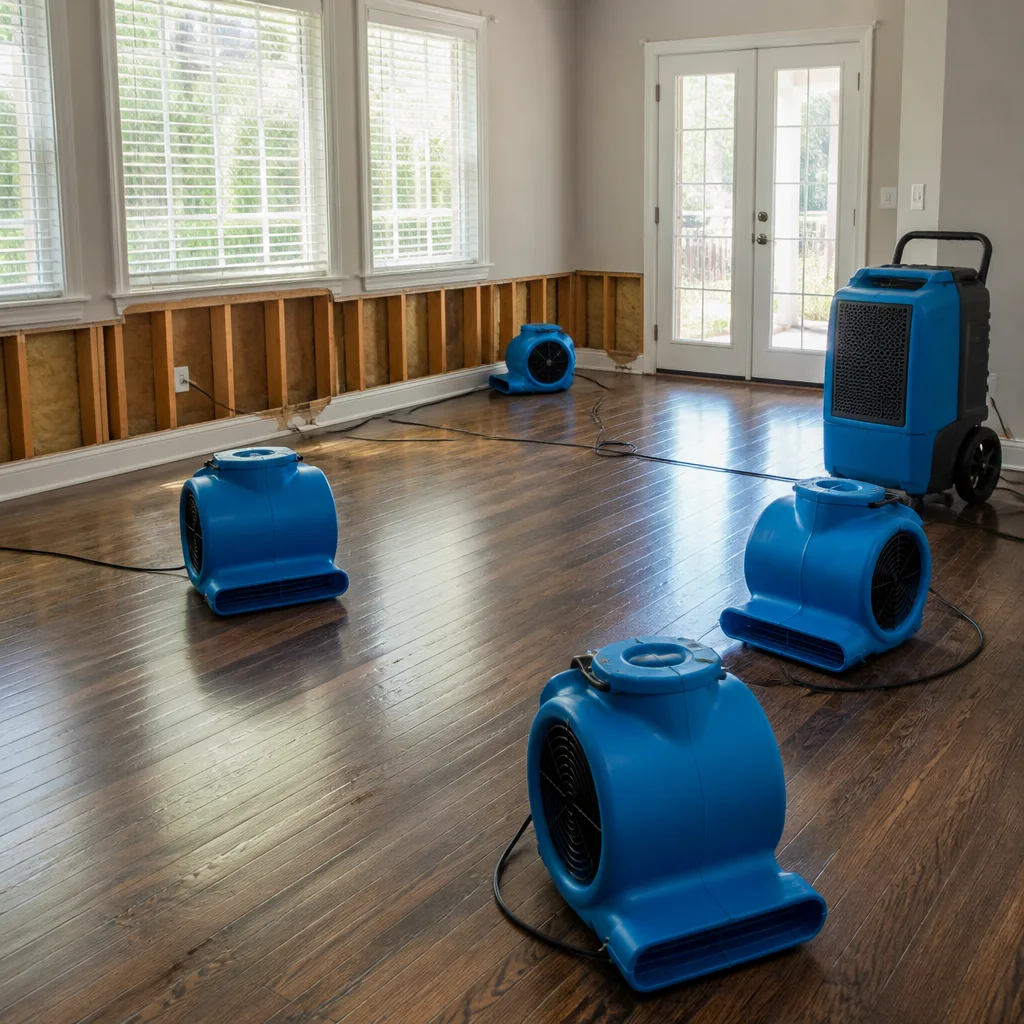
At DryMark Restoration Fort Lauderdale home, our storm response includes a documentation technician who arrives with the extraction crew specifically to capture this evidence before any drying begins. The photo record on every visit is standard, not an upsell. Equipment from Phoenix and XPOWER deploys only after the initial documentation set is complete.
Post-Storm: Days 2-14
Professional drying requires daily moisture logs. Psychrometric data, temperature, relative humidity, and specific humidity are recorded at each dehumidifier and air mover location. The drying log becomes the invoice’s best defense. We’ve seen carriers challenge $15,000 drying bills where no logs existed, and pay the same bills without question where daily documentation showed progressive moisture reduction to IICRC S500 standards.
Our crews document to IICRC, RIA, and IFA standards using Dri-Eaz and Injectidry systems, with readings taken at the same five fixed points established in your pre-season protocol. The progression from 85% RH to 45% RH, with corresponding wood moisture reduction from 22% to 12%, is recorded daily and delivered with the final invoice.
Dry Season Inspection Protocol: December-March
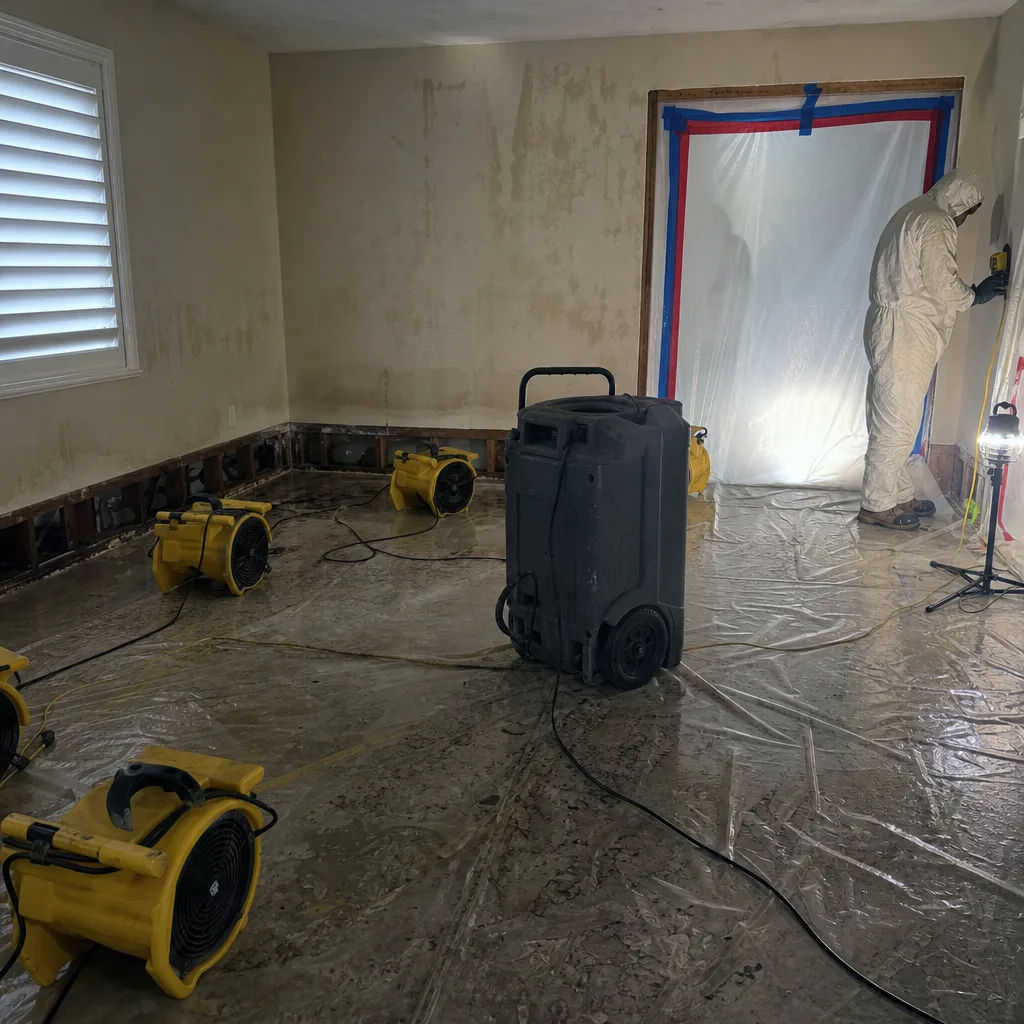
This is Fort Lauderdale’s hidden damage season. The humidity inversion that makes winter pleasant also makes standard moisture detection unreliable. Here’s how to inspect effectively when ambient conditions work against you.
Why Standard Detection Fails in Winter
A pinless moisture meter measures the electrical impedance of a material, which correlates to moisture content. In February, when Fort Lauderdale’s interior RH drops to 42%, surface wood moisture can read 10-12% even when the substrate behind it holds 20%. The meter is reading correctly. It’s just not reading what matters.
Thermal imaging becomes the primary tool during this season, but only under specific conditions. The camera detects temperature differentials caused by evaporative cooling at wet surfaces. For this to work, there must be a temperature differential between the wet area and surrounding dry material. In Fort Lauderdale’s mild winters, that differential is often too small for consumer-grade cameras to resolve.
Diagnostic Conditions for Winter Thermal Imaging
For a thermal scan to be diagnostic in Fort Lauderdale’s dry season:
- Interior temperature should be at least 15°F below exterior temperature, achieved by running air conditioning for 4+ hours before scanning
- Scan timing should be mid-morning, after exterior walls have warmed in sun but before interior temperature equalizes
- Wind speed below 10 mph, as convective cooling creates false thermal patterns
- Camera resolution of at least 320×240 pixels with thermal sensitivity (NETD) below 50 mK
Under these conditions, a moisture-laden wall section will appear 3-8°F cooler than dry surrounding material. The pattern matters as much as the temperature: active leaks show linear or point-source cooling, while condensation patterns follow thermal bridges or air leakage paths.
What to Do When You Find Winter Moisture
Don’t wait for summer to make it visible. Document the thermal anomaly with both infrared and visual images, mark the location, and schedule invasive inspection. This may involve removing a small section of drywall for direct substrate testing with a pin-type meter. The 2-inch inspection hole is repairable. The mold colony that grows unseen for four more months is not.
At DryMark Restoration Fort Lauderdale, winter inspections include a written scope with options: invasive testing with immediate repair, or monitored non-invasive tracking with monthly thermal rescans. Haven Standard, Clause 1 applies either way. The price is written before any hole is cut.
Mold Remediation in Fort Lauderdale is most cost-effective when caught in this December-March window, before summer humidity accelerates colonization.
How Fort Lauderdale’s Sea-Breeze Patterns Affect Moisture Accumulation
Fort Lauderdale’s prevailing easterly sea breeze is not merely a comfort. It’s a moisture delivery system with predictable patterns that smart homeowners use to prioritize inspection schedules.
The Atlantic Influence: East and Northeast Exposures
From October through April, the prevailing easterly flow brings moist marine air onshore. East-facing walls in Fort Lauderdale receive this flow directly, but they also receive morning sun that drives evaporation. The result is often surface dryness with subsurface retention, particularly in stucco systems where the finish coat is more permeable than the base coat intended.
Northeast exposures are the highest-risk orientation in Fort Lauderdale’s winter. They receive the moist onshore flow without the full solar exposure of due-east walls. In our data from 12,000+ homes restored since 2011, northeast-facing master bedroom walls show elevated moisture readings 35% more frequently than any other orientation. The pattern holds across neighborhoods from Coral Ridge to Harbor Beach.
The West Wall Phenomenon
West-facing walls would seem protected from marine moisture. They’re not. Afternoon thunderstorms in Fort Lauderdale’s summer deliver wind-driven rain from the west and southwest, and these walls often lack the overhang protection designed for eastern exposures. A west wall with no porch roof or substantial eave overhang is frequently the entry point for the most damaging summer water intrusion.
North-Facing Masonry: The Undetected Risk
North-facing walls receive the least solar radiation in Fort Lauderdale’s latitude. Even in summer, they never achieve the surface temperatures that drive evaporation from south, east, or west exposures. Masonry on north walls stays cooler, stays wet longer, and supports mold growth at moisture levels that would dry harmlessly elsewhere.
Our inspection protocol calls for north-wall moisture readings at half the interval spacing of other orientations: 12 inches rather than 24. The extra density catches gradients that wider spacing misses. For homeowners maintaining their own logs, we recommend the same: check north walls twice as often, with particular attention to the base course where slab moisture compounds the exposure.
The Intracoastal Factor
Homes west of Federal Highway, particularly those on or near the Intracoastal Waterway, experience modified sea-breeze patterns. The water body creates a thermal lag: afternoon breezes shift westerly as land heats, carrying moisture from the Intracoastal back toward eastern neighborhoods. Homes in Las Olas Isles, Riviera Isles, and similar canal-front areas show elevated humidity readings 2-4 hours later in the day than Atlantic-front properties, extending the effective moisture window.
This doesn’t mean canal-front homes are riskier overall. It means their peak moisture hours differ, and inspection timing should adjust. A 10 AM reading in a Coral Ridge home and a 2 PM reading in a Las Olas Isles home may represent comparable moisture conditions.
Building Your Month-by-Month Moisture Log
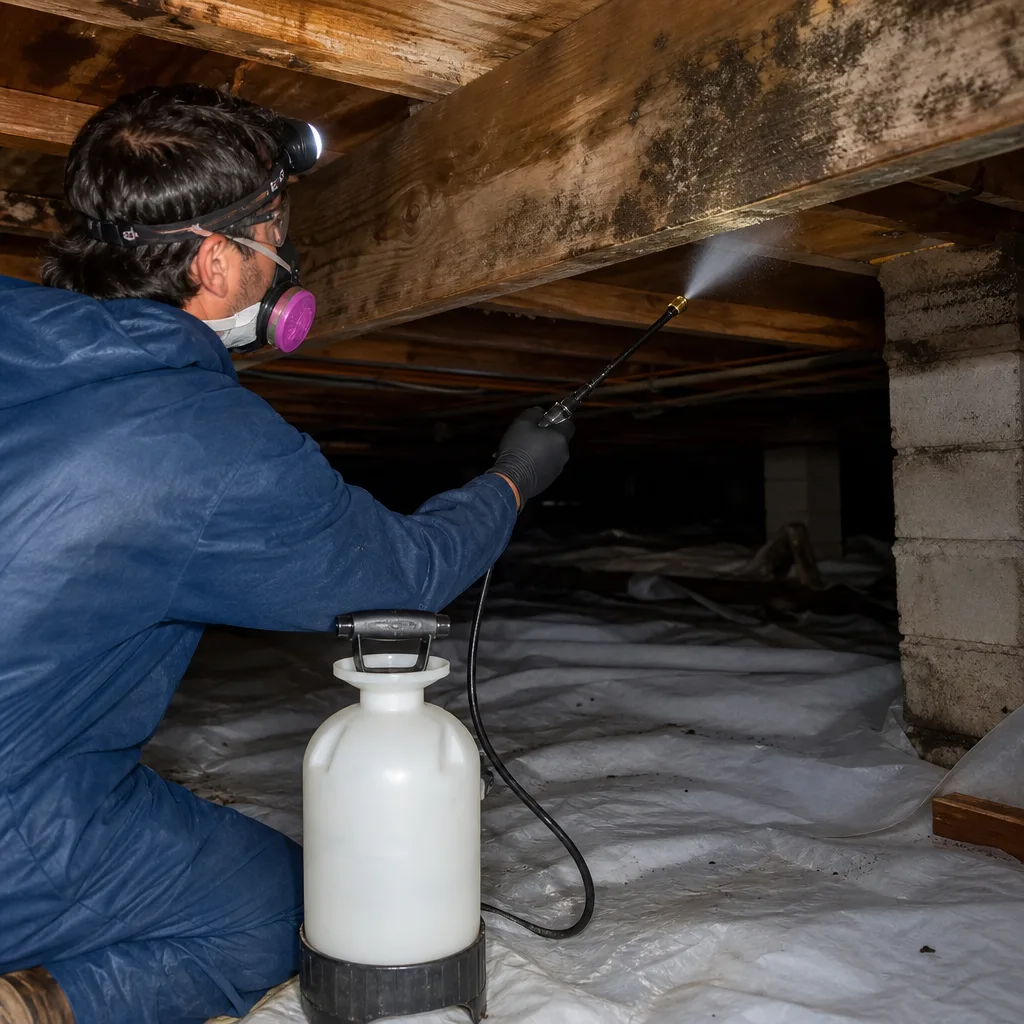
The most powerful tool in Fort Lauderdale seasonal maintenance is also the simplest: a consistent log of readings from fixed points, maintained year-round. Here’s how to build one that satisfies an adjuster and actually protects your home.
Selecting Your Five Fixed Points
Choose locations that represent different risk profiles, not just convenience. Our recommended set for a typical Fort Lauderdale single-family home:
- North-facing exterior wall, baseboard height: Captures the highest-risk orientation for hidden moisture
- East-facing exterior wall, midpoint: Baseline for marine exposure with morning solar recovery
- Interior hallway wall, center of home: Reference point isolated from exterior weather; should remain stable year-round
- Kitchen or bath shared wall: Plumbing-adjacent location where supply line leaks first appear
- Garage-to-living-space wall, interior side: Captures condensation and air leakage patterns from unconditioned space
Mark each point permanently: a small pencil mark, a removable adhesive dot, or a photograph showing exactly where the meter contacts the wall. Consistency in measurement location matters more than precision in any single reading.
What to Record Monthly
At each of your five points, record:
- Date and time of reading
- Ambient relative humidity (from a calibrated hygrometer, not your thermostat display)
- Interior temperature
- Wood moisture equivalent from pinless meter, or actual percentage from pin-type
- Any visible changes: discoloration, texture change, odor
- Weather in prior 48 hours: rainfall, unusual humidity, HVAC service
Store this in any format that permits year-over-year comparison: spreadsheet, notebook, or the documentation app of your choice. The format matters less than the continuity. A homeowner with three years of monthly logs has evidence that a post-storm reading represents genuine new damage, not pre-existing condition. That evidence is worth thousands in claim settlement.
Reading the Log: Patterns That Matter
Single readings are nearly meaningless. The pattern over time reveals risk. A north-wall reading that climbs from 12% in January to 16% in April to 19% in June indicates active moisture accumulation that winter’s low humidity masked. A hallway reading that jumps 6% month-over-month suggests a plumbing leak, not weather exposure.
We review client logs quarterly as part of our maintenance program. The review takes 15 minutes and has caught slab leaks, irrigation overspray, and failing window seals before they became restoration projects. The Fire & Smoke Damage Restoration in Fort Lauderdale page includes similar logging recommendations for smoke particle deposition, as the documentation principles apply across loss types.
What Professional-Grade Documentation Looks Like
Homeowner logs are valuable. Professional documentation is definitive. Understanding the difference helps you evaluate any restoration service you engage, helps you know when DIY logging has reached its limit, and points you toward more guides & resources.
The Equipment Standard
Professional moisture detection in Fort Lauderdale uses multiple technologies in combination:
- Thermal imaging cameras with 640×480 resolution or higher, calibrated annually, with images stored in radiometric format (permitting post-capture temperature analysis)
- Pinless moisture meters with depth penetration to 1.5 inches, essential for detecting moisture behind stucco without surface damage
- Pin-type meters with insulated probes for substrate testing through small access holes
- Thermohygrometers recording temperature, RH, dew point, and vapor pressure differential
- Moisture mapping software that overlays readings on floor plans, creating visual gradient maps
At DryMark Restoration Fort Lauderdale, our crews deploy Phoenix and B-Air dehumidification systems with onboard data logging, capturing runtime hours, inlet and outlet conditions, and cumulative moisture removal. This data feeds directly into the drying log that accompanies every invoice.
The Documentation Deliverable
After any professional inspection or mitigation, you should receive:
- A written scope of work with line-item pricing, signed before work begins (Haven Standard, Clause 1)
- Photo record on every visit, date-stamped, with both overview and detail images
- Daily drying log with psychrometric data, equipment placement map, and moisture readings at fixed points
- Final moisture map showing readings at completion, with comparison to pre-mitigation baseline
- 365-Day Done Right Promise documentation, with specific warranty terms and claim procedure
These are not premium add-ons. They are standard deliverables on every DryMark Restoration Fort Lauderdale job, included in the written price agreed before work starts. Competitors who treat documentation as an upsell are selling you the evidence you’ll need to fight their own invoice.
The Free Second Opinion
If you’ve received a written estimate from another restoration company, Back to Dry will review it at no charge. We apply the same documentation standards to our review: we read the scope, identify what’s missing, and explain in writing what we would do differently and why. Haven Standard, Clause 1 applies even to opinions. No charge, no obligation, no pressure.
Common Mistakes to Avoid
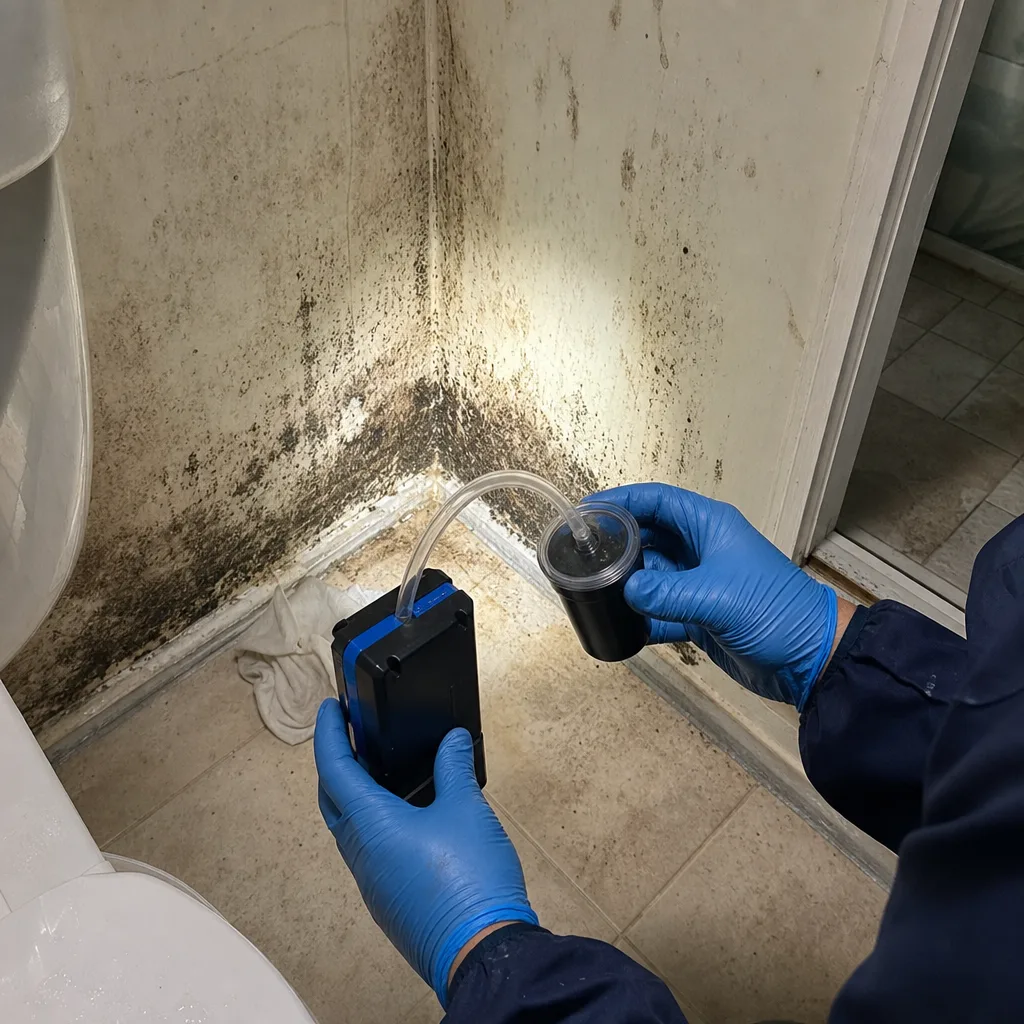
- Treating February’s low moisture readings as a clean bill of health. Fort Lauderdale’s driest month produces the most misleading moisture data. Always pair winter readings with thermal imaging or plan for spring re-verification.
- Documenting only after damage occurs. Pre-loss documentation determines whether a claim is paid or denied. The 48 hours before a named storm are more valuable for documentation than the 48 hours after.
- Using a single moisture meter type exclusively. Pinless meters miss deep moisture; pin meters require surface damage. Professional assessment uses both, with thermal imaging to target where invasive testing is justified.
- Ignoring north-facing walls. In Fort Lauderdale’s climate, north-facing masonry accumulates moisture at rates that south-facing walls don’t match. Any inspection protocol that treats all orientations equally is incomplete.
- Starting cleanup before documentation. The urge to remove water immediately is natural and often costly. Photograph standing water, measure depth, record the time. These three actions take five minutes and can determine whether your policy responds.
- Accepting verbal scope or pricing. Haven Standard, Clause 1 exists because verbal promises disappear when the crew arrives. A written price before work begins is not a preference. It is the minimum standard for a defensible restoration.
- Storing documentation only in the home. Flood, fire, and storm damage the home and its contents. Pre-loss documentation stored only on-site is documentation lost when most needed. Cloud storage, off-site copies, or professional holding are essential.
When to Call a Professional
Call for professional assessment when: moisture readings at any fixed point increase 4% or more month-over-month; thermal imaging reveals temperature differentials exceeding 5°F on any wall surface; you discover visible mold, discoloration, or odor anywhere in the home; or a named storm has entered the forecast cone for Fort Lauderdale and you lack pre-season baseline documentation.
Call immediately when: water is actively entering the home; sewage backup has occurred; or fire damage has affected structural elements. These are emergency conditions where speed of response limits damage scope, but speed must not override documentation. Professional crews should arrive with documentation capability, not just extraction equipment.
DryMark Restoration Fort Lauderdale offers free estimates in Fort Lauderdale. Our live phone coverage is available 24 hours a day, 7 days a week with no voicemail on emergency lines. Every job is quoted in writing before work begins, documented with a photo record on every visit, and covered by the 365-Day Done Right Promise under The Haven Standard. Call (754) 254-1257.
Frequently Asked Questions
A baseline moisture inspection for a typical Fort Lauderdale home ranges from $275 to $450, depending on square footage and the number of thermal imaging locations required. This includes the written moisture map, thermal images with interpretation, and a condition report suitable for insurance filing. Haven Standard, Clause 1 applies: the written price is delivered before any work begins. Call (754) 254-1257 for an exact quote - estimates are free.
Standard homeowners policies in Fort Lauderdale typically cover sudden and accidental water damage, not long-term moisture accumulation. However, well-documented seasonal maintenance strengthens your position when sudden damage occurs. A pre-storm moisture map showing dry conditions in May, followed by post-storm readings showing saturation in September, demonstrates that the damage was storm-caused rather than maintenance-excluded. We coordinate directly with adjusters and provide the documentation format they prefer.
Our live dispatch operates 24 hours a day, 7 days a week with no voicemail trees. Response time after a named storm depends on road conditions and crew availability, but our documentation technicians travel with extraction crews to ensure evidence is captured before any drying begins. For non-emergency seasonal inspections, we typically schedule within 48 hours. Call (754) 254-1257 for current availability.
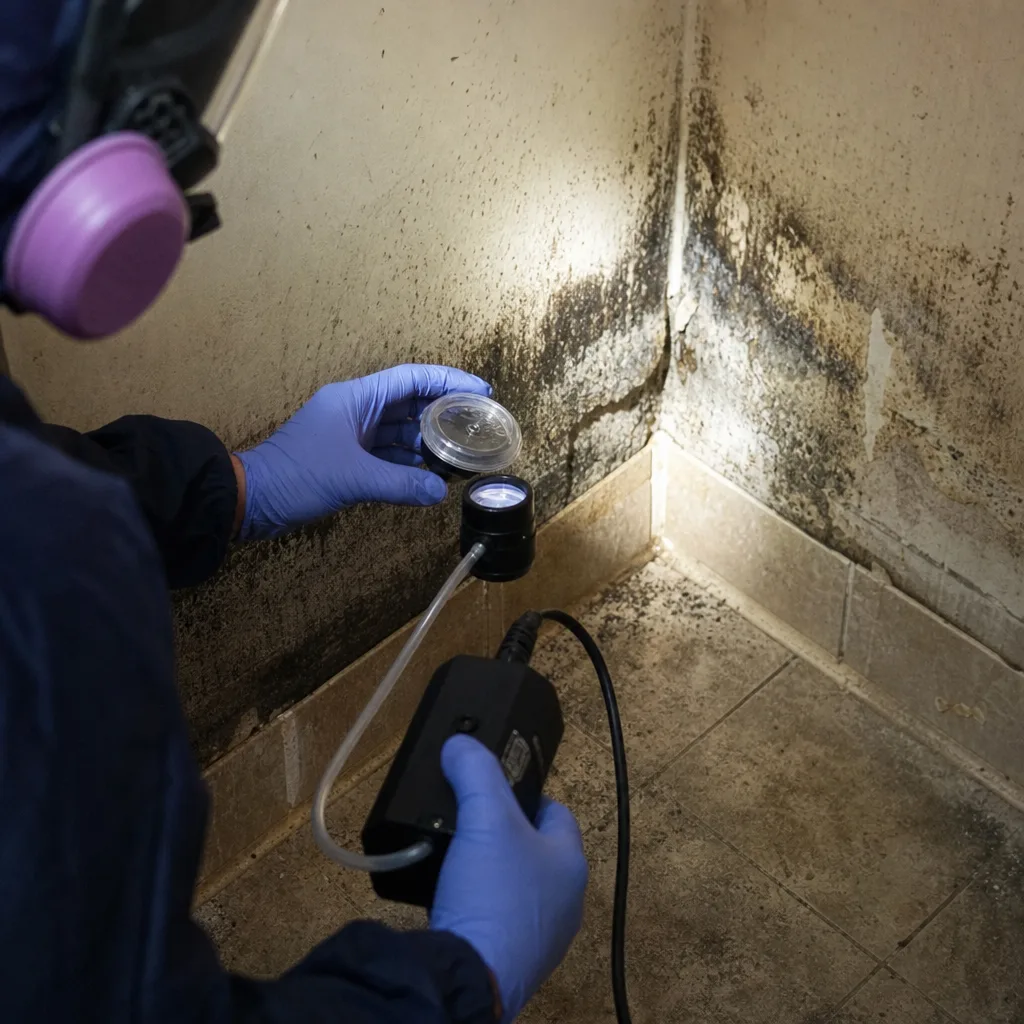
Visible mold on a Fort Lauderdale wall typically indicates a colony that extends 12 to 24 inches beyond what you can see, with root structures in porous materials that wiping doesn’t reach. DIY cleaning also destroys the evidence an adjuster needs to determine coverage. Professional remediation includes containment, air filtration, removal of affected materials, and post-remediation verification with clearance testing. The written scope specifies exactly which materials are removed, which are treated in place, and what verification standard applies.
We do. Every DryMark Restoration Fort Lauderdale job includes adjuster coordination as a standard service, not an upsell. We provide the photo record, drying log, moisture maps, and written scope in the format your carrier’s adjuster expects. We attend joint inspections when requested. Our documentation is built to the standard that former claims adjuster Alicia Brennan wished she’d received when she was on the carrier side. The result is faster claim resolution and fewer coverage disputes.
The 365-Day Done Right Promise is a written guarantee under The Haven Standard, not a verbal assurance. If any aspect of our work fails to perform as specified in the written scope, we return and make it right at no charge. The guarantee is signed, dated, and transferable. Standard contractor warranties often limit coverage to materials only, exclude consequential damage, or require dispute resolution procedures that delay repair. Our promise is simple: if it’s not done right, we make it right. The terms are in writing before work begins.
The Bottom Line
Fort Lauderdale’s two damage seasons demand two distinct maintenance protocols. From April through May, establish baseline documentation: moisture maps, thermal images, and photo records of every vulnerability. From June through November, protect those baselines with pre-storm documentation and post-storm professional mitigation that logs every reading. From December through March, exploit the humidity inversion with thermal imaging that reveals what standard meters miss. Year-round, maintain a month-by-month log at five fixed points. The homeowner with three years of consistent data owns the most powerful tool in any insurance dispute: evidence that predates the loss and documents the progression.
Documentation is not an extra. It is the foundation of every successful restoration. At DryMark Restoration Fort Lauderdale, we built our company around this principle in 2011, and we apply it to every job we perform.
Written by Alicia Brennan, Owner at DryMark Restoration Fort Lauderdale, serving Fort Lauderdale since 2011.